


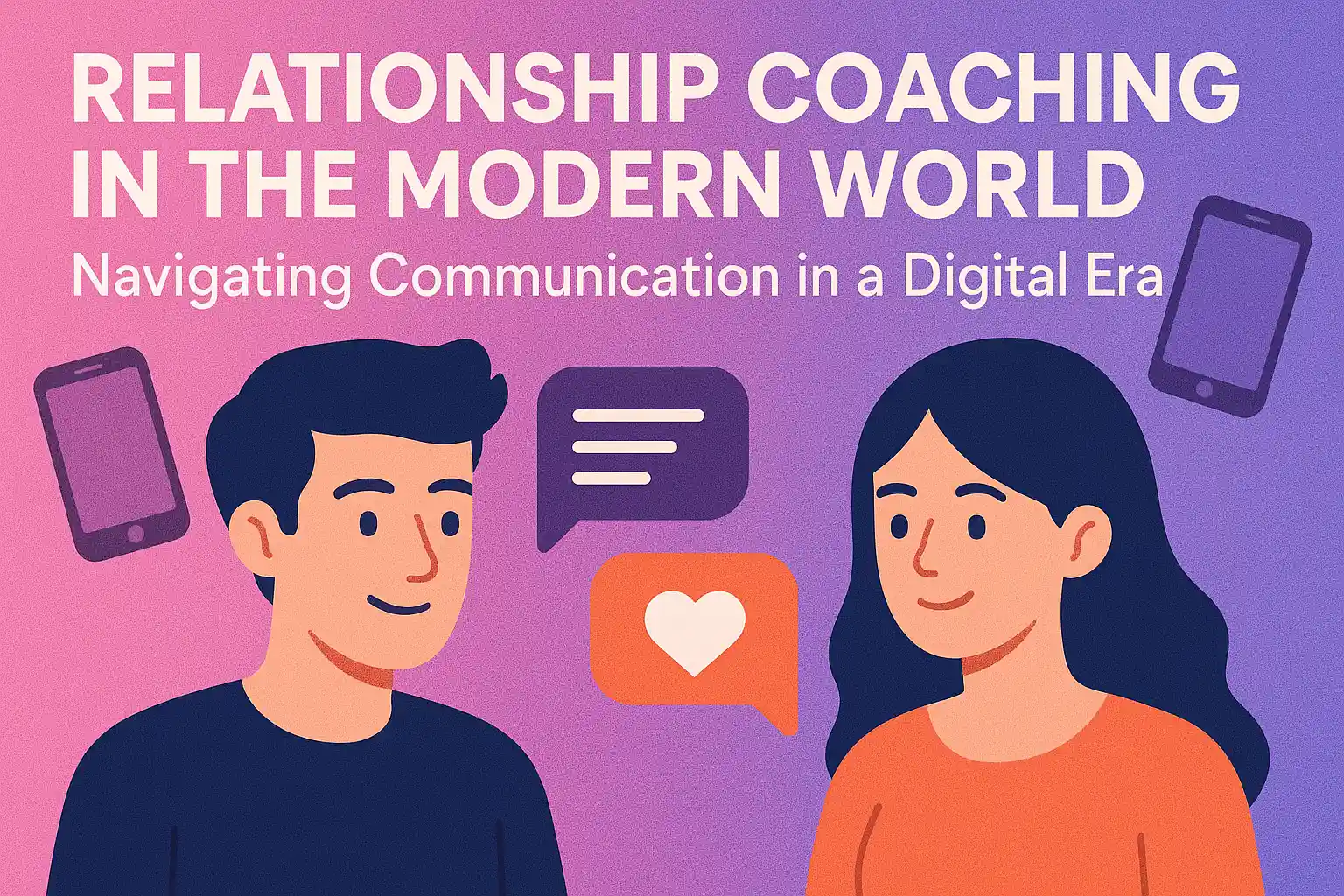
Modern relationships are more connected — yet more complicated — than ever before. From texting misinterpretations to social media conflicts to the challenges of maintaining intimacy in a digital-first world, couples face communication issues unique to this era.
Relationship coaches play a crucial role in helping individuals and couples build clarity, trust, emotional intelligence, and healthier communication habits in an age where conversations happen through screens more than in person.
This guide explores how coaches can support modern relationships with science-backed tools, communication frameworks, and new-age strategies designed for the digital era.
🌍 Why Communication Is More Complex in the Digital Age


4
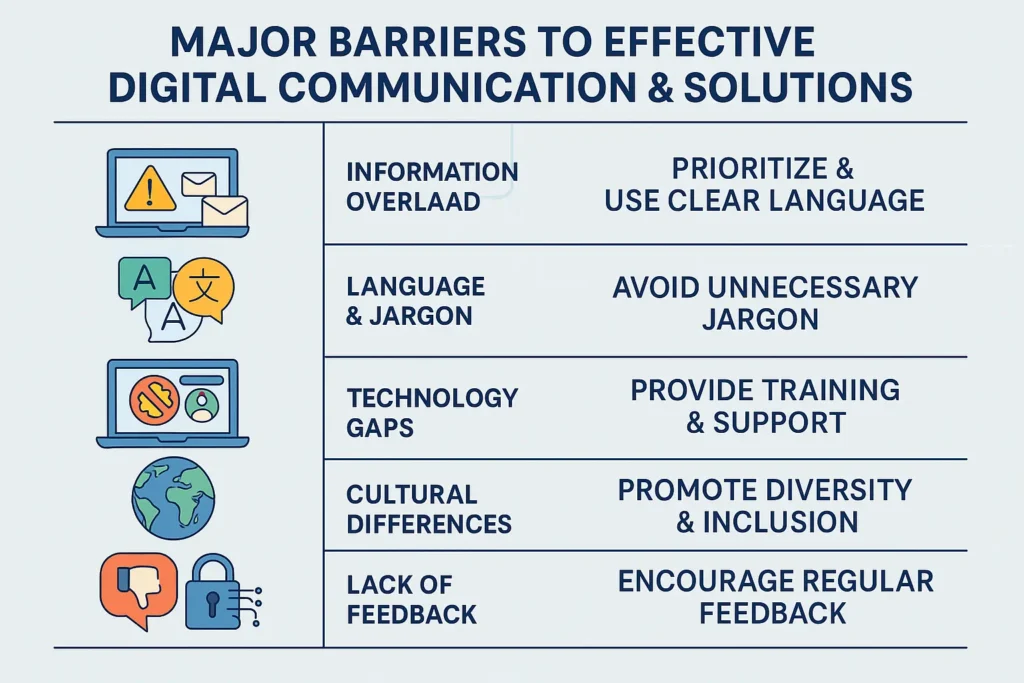
Digital communication has created both opportunities and challenges:
Challenges
- Tone gets misinterpreted over text
- Delayed replies trigger anxiety
- Online comparison damages self-esteem
- Social media leads to jealousy or insecurity
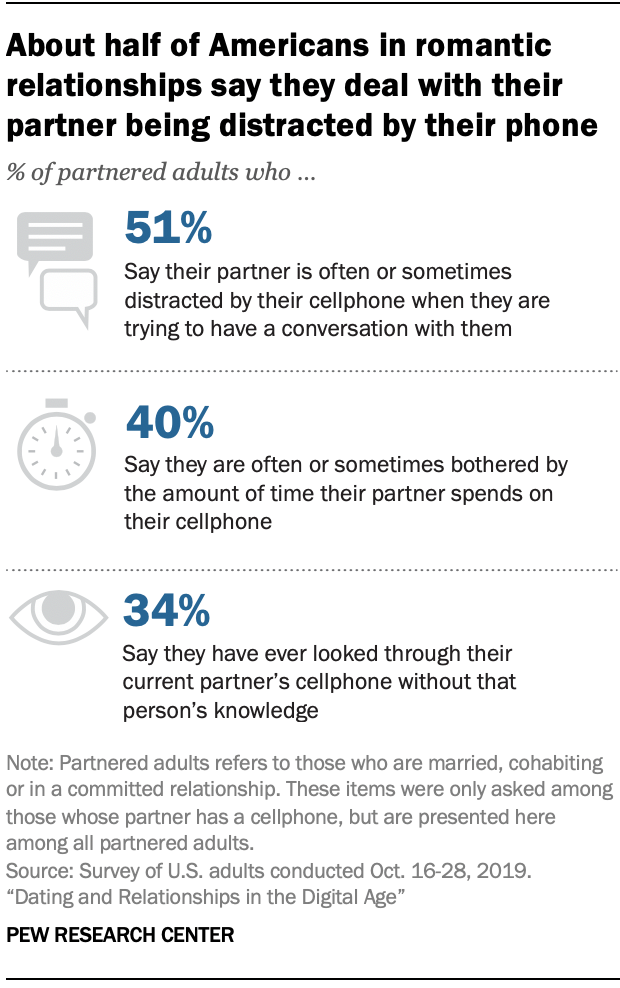
- Constant notifications interrupt real-life connection
- Work-from-home blurs emotional boundaries
Opportunities
- More ways to stay connected
- Easier to express affection
- Access to relationship resources
- Ability to maintain long-distance love
- Digital tools for emotional growth
Relationship coaches help couples navigate BOTH sides effectively.
💬 The Biggest Communication Problems Couples Face Today
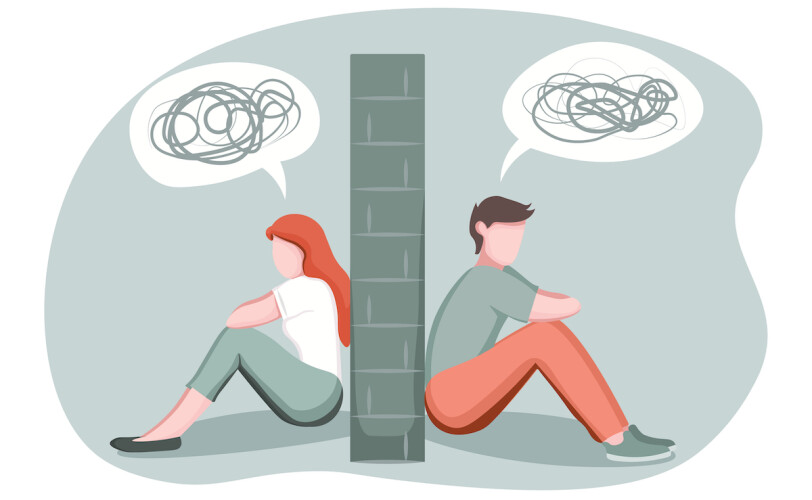
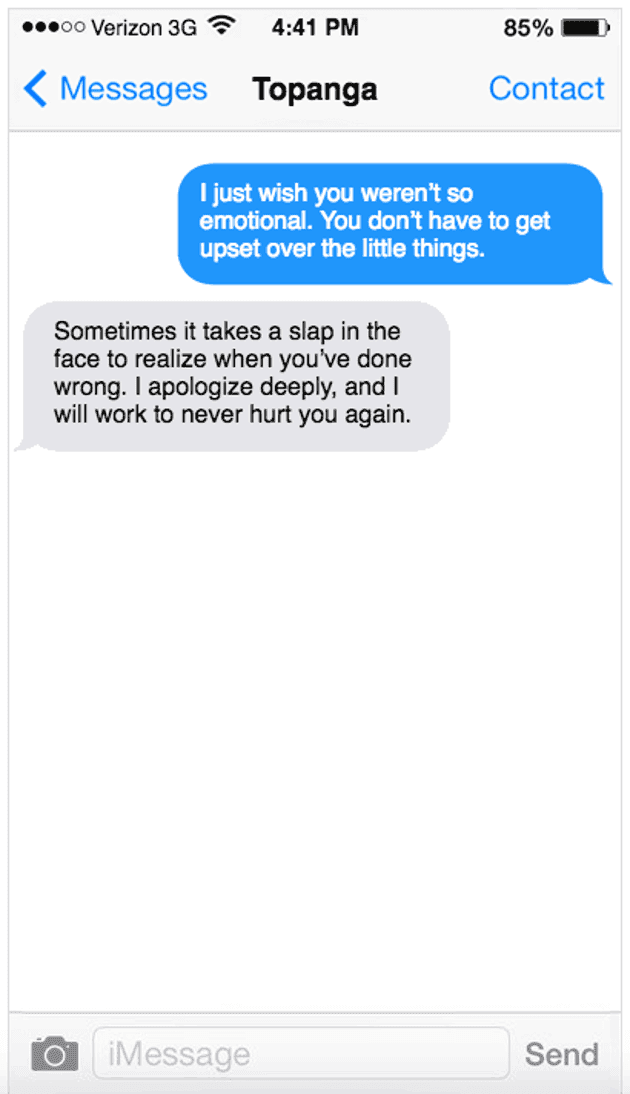

Modern couples commonly struggle with:
✔ Misinterpreting texts
Without tone or body language, simple messages feel cold or dismissive.
✔ Emotional availability issues
Digital distraction reduces presence.
✔ Social media triggers
Likes, follows, comments — they all create emotional reactions.
✔ Digital conflict escalation
Messages sent in frustration often worsen misunderstandings.
✔ Attachment style contrast in digital spaces
Anxious texters vs. avoidant texters leads to tension.
Relationship coaching helps couples address the root cause, not just the symptoms.
💡 The 2025 Relationship Coaching Framework for Digital Communication
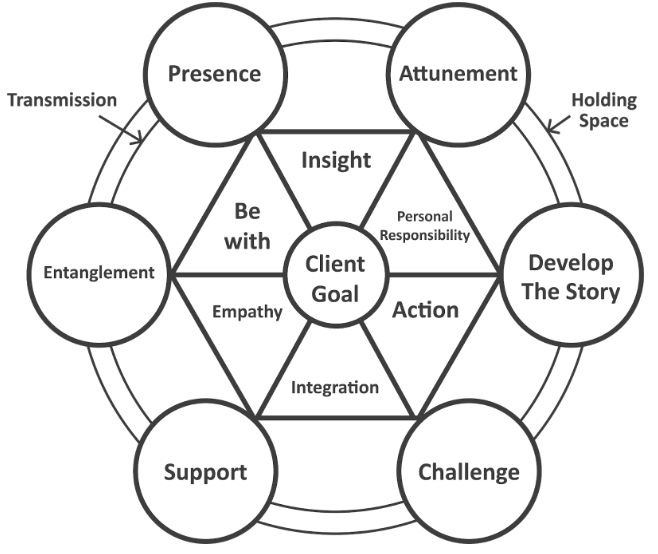


Effective relationship coaches use a modern, structured framework:
1. Awareness
Understanding the patterns, triggers, and digital habits shaping the relationship.
2. Emotional Intelligence Building
Helping partners express needs clearly and regulate emotions.
3. Communication Tools
Equipping couples with practical scripts, frameworks, and boundaries.
4. Digital Boundaries
Redesigning phone habits, social media use, and communication routines.
5. Connection Rituals
Creating intentional moments of presence and intimacy.
🧠 Step 1: Understanding Digital Attachment Styles
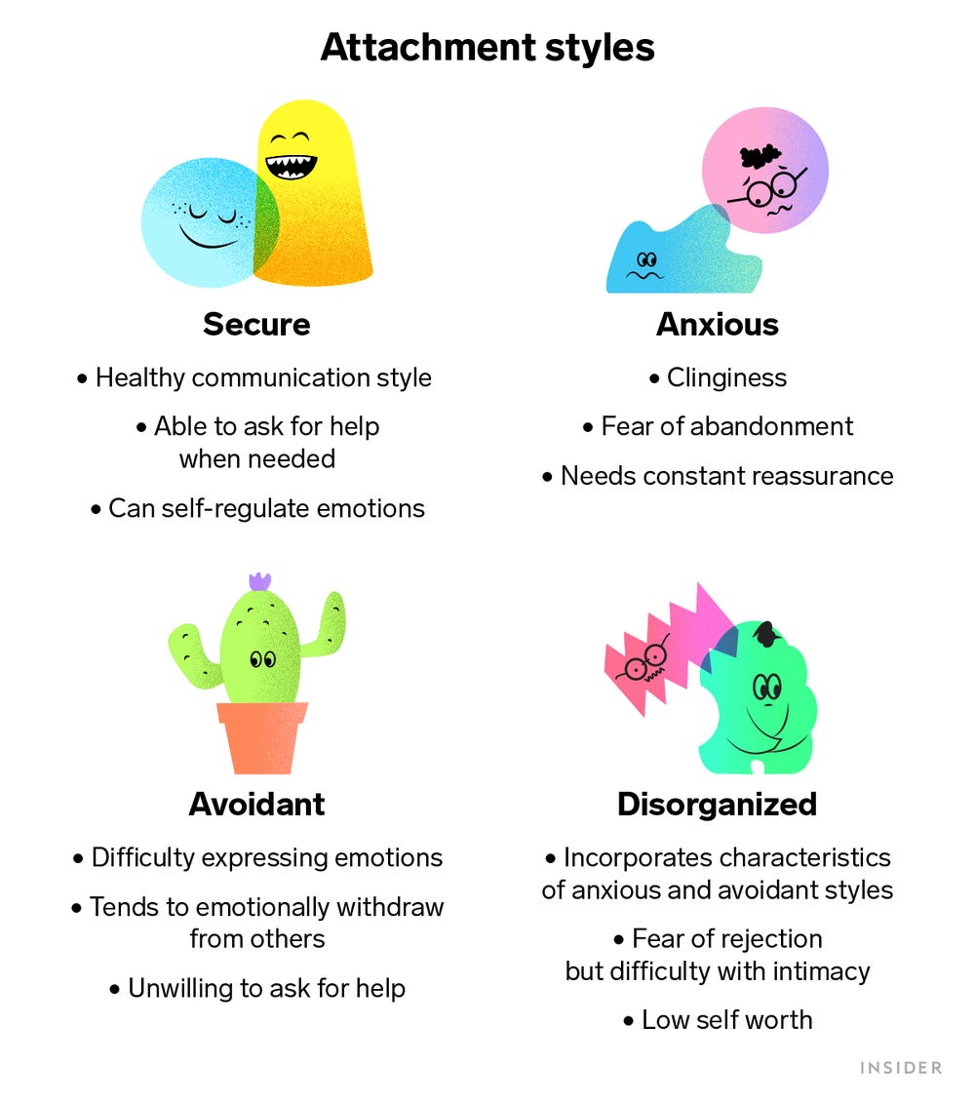
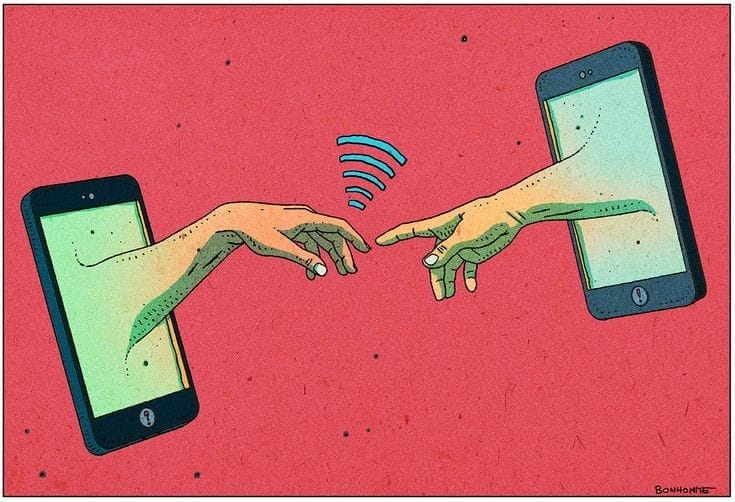

In the digital era, attachment styles show up through texting patterns:
Anxious attachment
- Wants quick replies
- Overthinks lack of response
- Seeks constant reassurance
Avoidant attachment
- Needs more space
- Sends shorter messages
- Dislikes constant communication
Secure attachment
- Communicates clearly
- Manages emotions well
- Maintains healthy boundaries
Relationship coaching helps couples understand each other’s digital attachment style to prevent conflict.
🗣 Step 2: Teach “High-Context vs Low-Context” Digital Communication


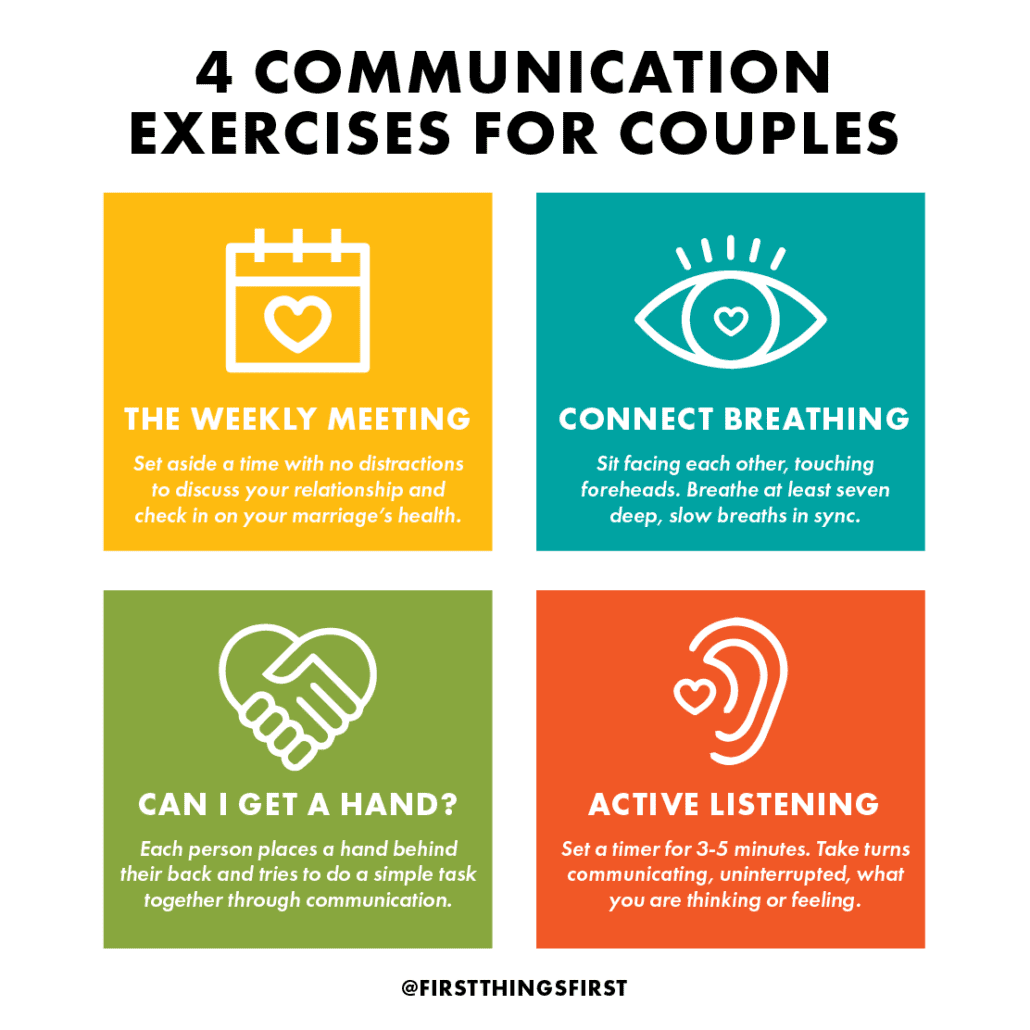
Texts lack emotional nuance.
Coaches help clients shift to Low-Context Communication, where messages are:
- Clear
- Direct
- Neutral in tone
- Emotionally transparent
Instead of:
“Fine.”
Use:
“I’m feeling a bit overwhelmed right now. Let’s talk in an hour?”
This reduces 80% of misunderstandings.
📱 Step 3: Establish Healthy Technology Boundaries

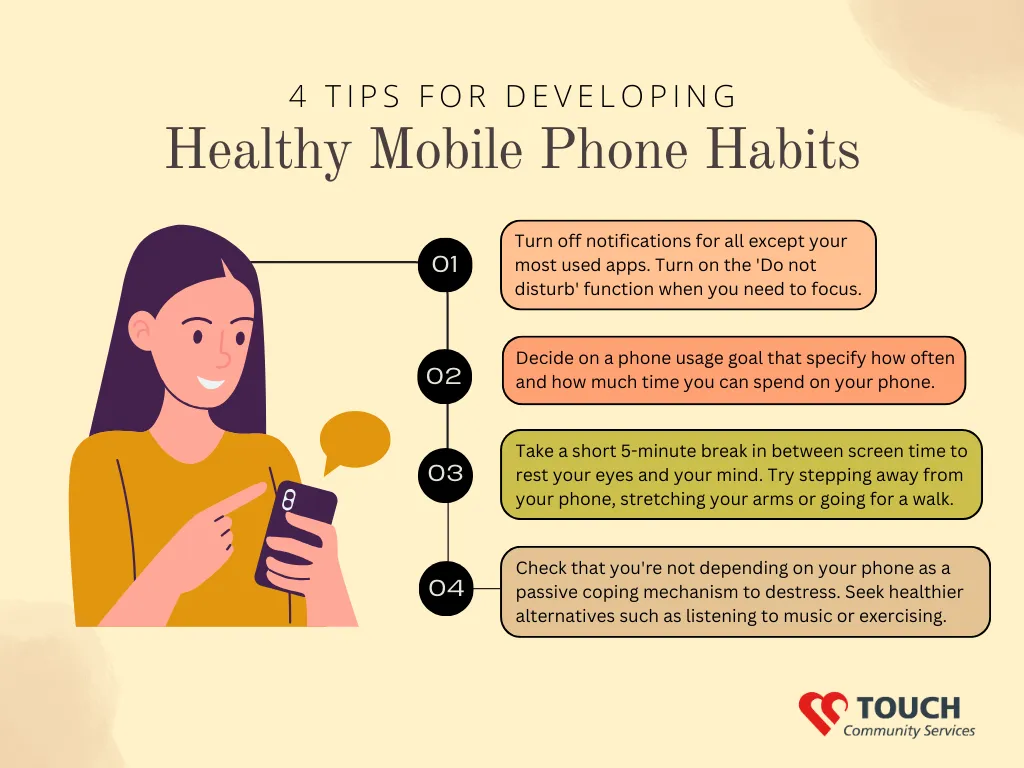

Boundary examples:
✔ “No phones during meals”
Helps deepen presence.
✔ “Morning messages only after self-care”
Protects emotional bandwidth.
✔ “No discussing conflict via text”
Moves conversations to voice or video for clarity.
✔ “Weekly social media detox time”
Reduces comparison & anxiety.
Relationship coaches guide couples to create boundaries tailored to their relationship.
❤️ Step 4: Build Emotional Literacy



Emotional literacy is the ability to:
- Understand your feelings
- Name your emotions accurately
- Express needs without blame
- Hear your partner with empathy
Coaching tools include:
- The Feelings Wheel
- Nonviolent Communication (NVC)
- Emotion labeling exercises
- “I feel… when… because…” statements
Better emotional literacy = better digital communication.
💬 Step 5: Use Healthy Communication Frameworks

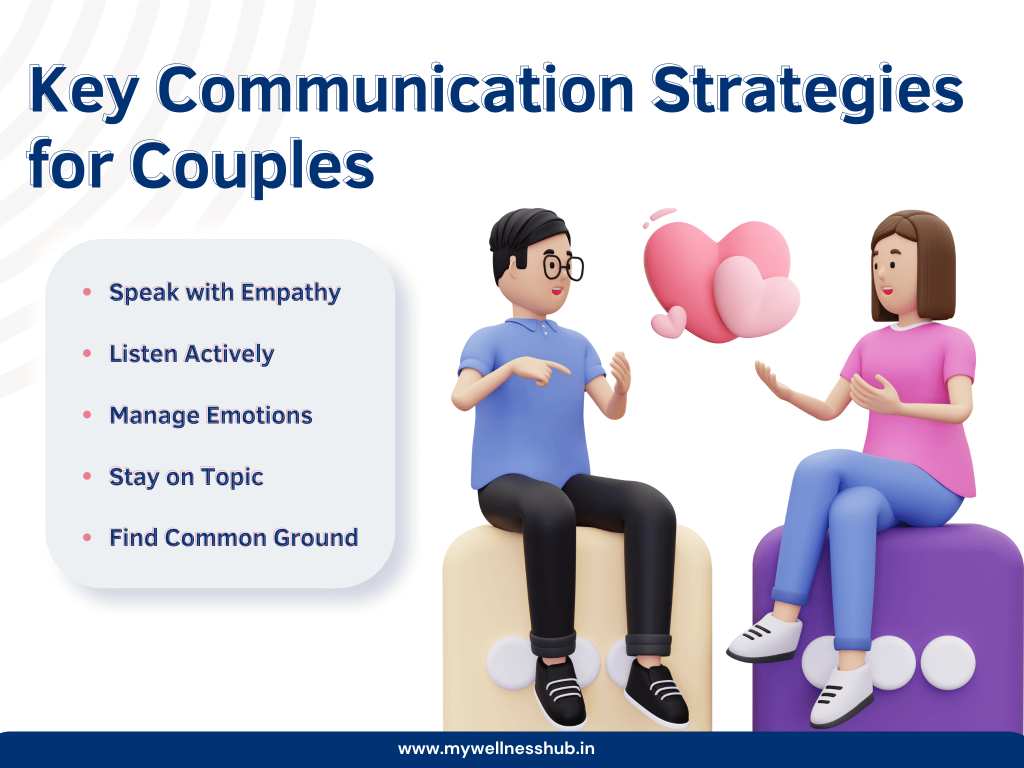

Coaches can introduce modern communication tools like:
1. The Pause-to-Process Method
Pause before replying to emotionally charged messages.
2. The Clarify-Confirm-Connect Framework
- Clarify what you heard
- Confirm understanding
- Connect with empathy
3. The Gentle Start-Up (Gottman Method)
Reduces defensiveness and conflict escalation.
4. The Communication Window
Set agreed times for deeper conversations.
These reduce defensiveness and increase connection.
💑 Step 6: Create Digital Intimacy Rituals


Coaches encourage couples to use technology intentionally:
❤️ Voice notes expressing gratitude
Creates deeper emotional connection.
❤️ Midday check-in messages
Keeps partners feeling valued.
❤️ Shared playlists, shared photo albums
Boost shared meaning.
❤️ Digital date nights
Watch a movie together virtually or play a game.
Technology can strengthen love when used with intention.
🔥 Step 7: Conflict Resolution in the Digital Age


Modern conflict rules:
❌ Don’t fight in text messages
Tone is easily misunderstood.
✔ Use voice notes or video calls
Adds emotional nuance.
✔ Have a “repair ritual”
Examples:
- “Let’s pause.”
- “I love you. Let’s come back to this later.”
- “I want to understand you better.”
✔ Use compassionate curiosity
Instead of assuming intention, ask:
“What did you mean by that?”
Coaches train couples to resolve conflict with awareness and emotional safety.
✨ Final Thoughts: Love Needs Skills — Not Guesswork
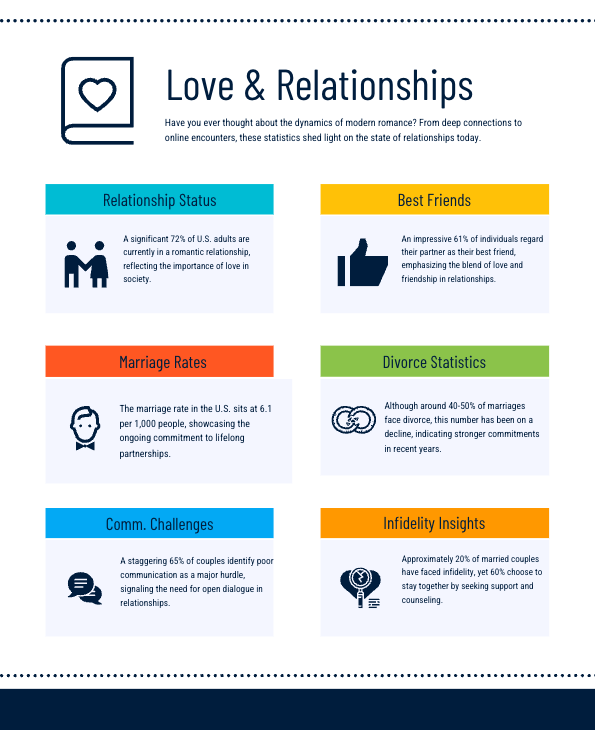


Modern relationships require new skills, new boundaries, and new communication strategies.
Relationship coaches aren’t just teaching couples how to talk — they’re teaching them how to connect, in a world full of digital distractions.
When couples learn:
- Emotional literacy
- Digital boundaries
- Clear communication
- Compassionate listening
- Healthy conflict resolution
…their relationship becomes stronger, more loving, and more resilient — both online and offline.