
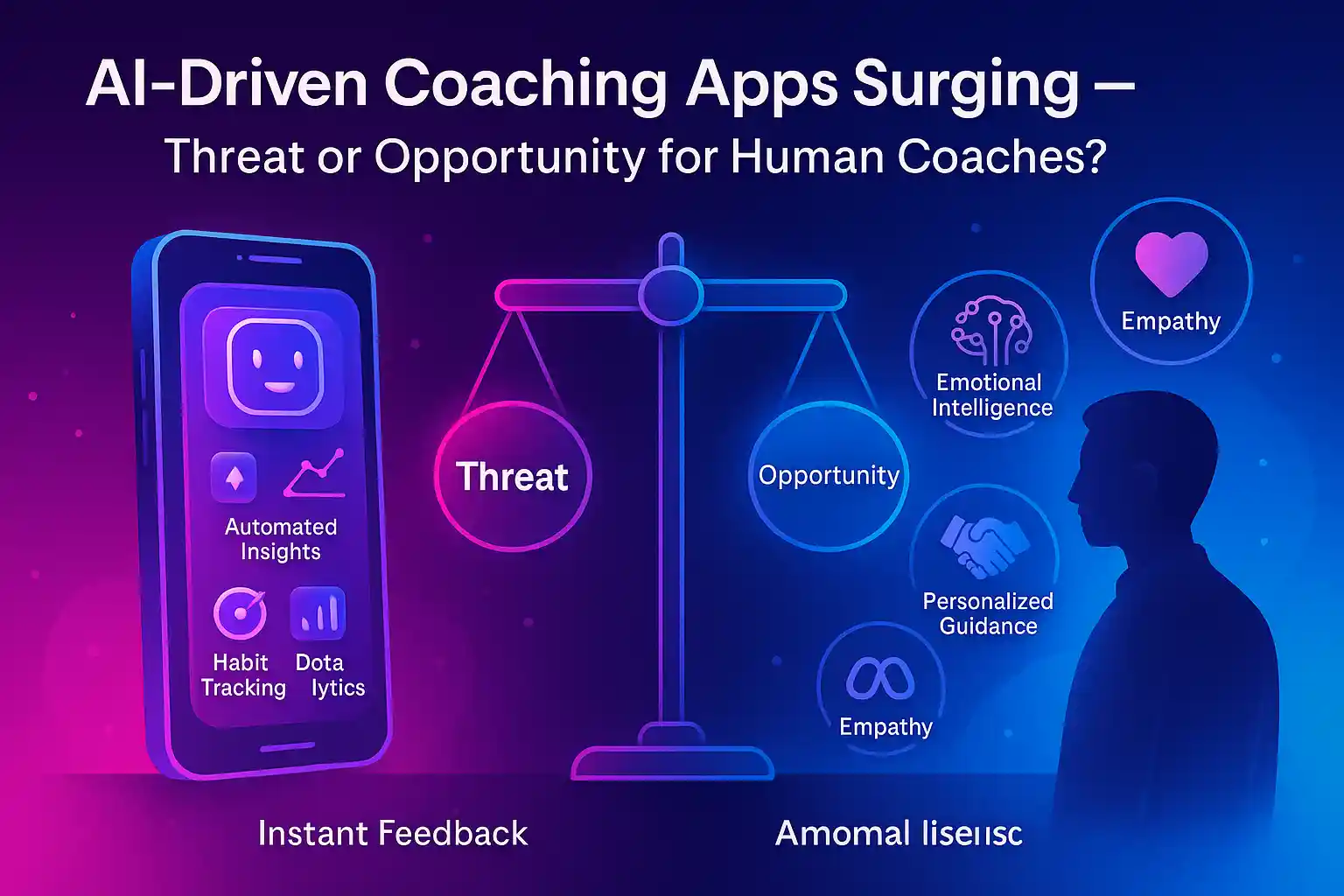

AI-driven coaching apps are exploding in popularity across business, wellness, leadership, and life coaching. They offer instant support, personalized insights, and 24/7 availability — raising a big question for human coaches: Are AI coaching apps a threat, or do they actually create new opportunities?
The truth is: AI is reshaping the coaching industry, but not replacing it. Coaches who understand the shift can thrive in this new landscape.
Why AI Coaching Apps Are Growing So Fast
Clients love AI tools because they offer convenience and constant access. These apps simulate coaching conversations, track habits, analyze emotional patterns, and offer personalized suggestions instantly.
Key reasons for the surge:
- 24/7 availability
- Fast gains in accuracy and personalization
- Lower cost than traditional coaching
- Instant habit reminders and micro-coaching
- Scalable support for global users
But coaching isn’t just about answers — it’s about transformation. And that’s where humans still lead.
1. How AI Coaching Apps Enhance the Coaching Experience

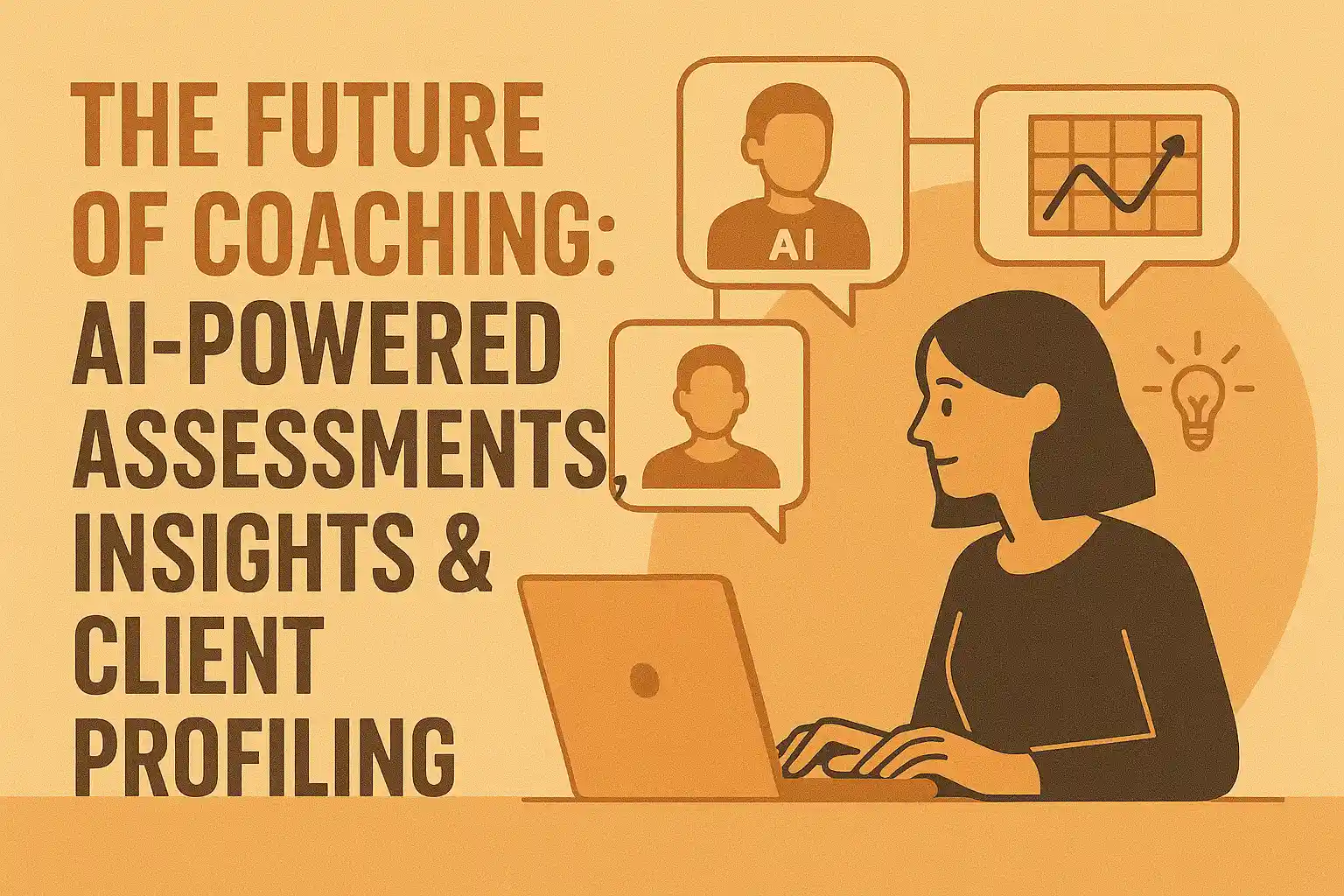
Contrary to fear, AI can actually strengthen human coaching by handling repetitive tasks and supporting clients between sessions.
AI enhances coaching by:
- Automating session summaries
- Tracking client progress and mood patterns
- Providing personalized micro-learning
- Offering daily accountability nudges
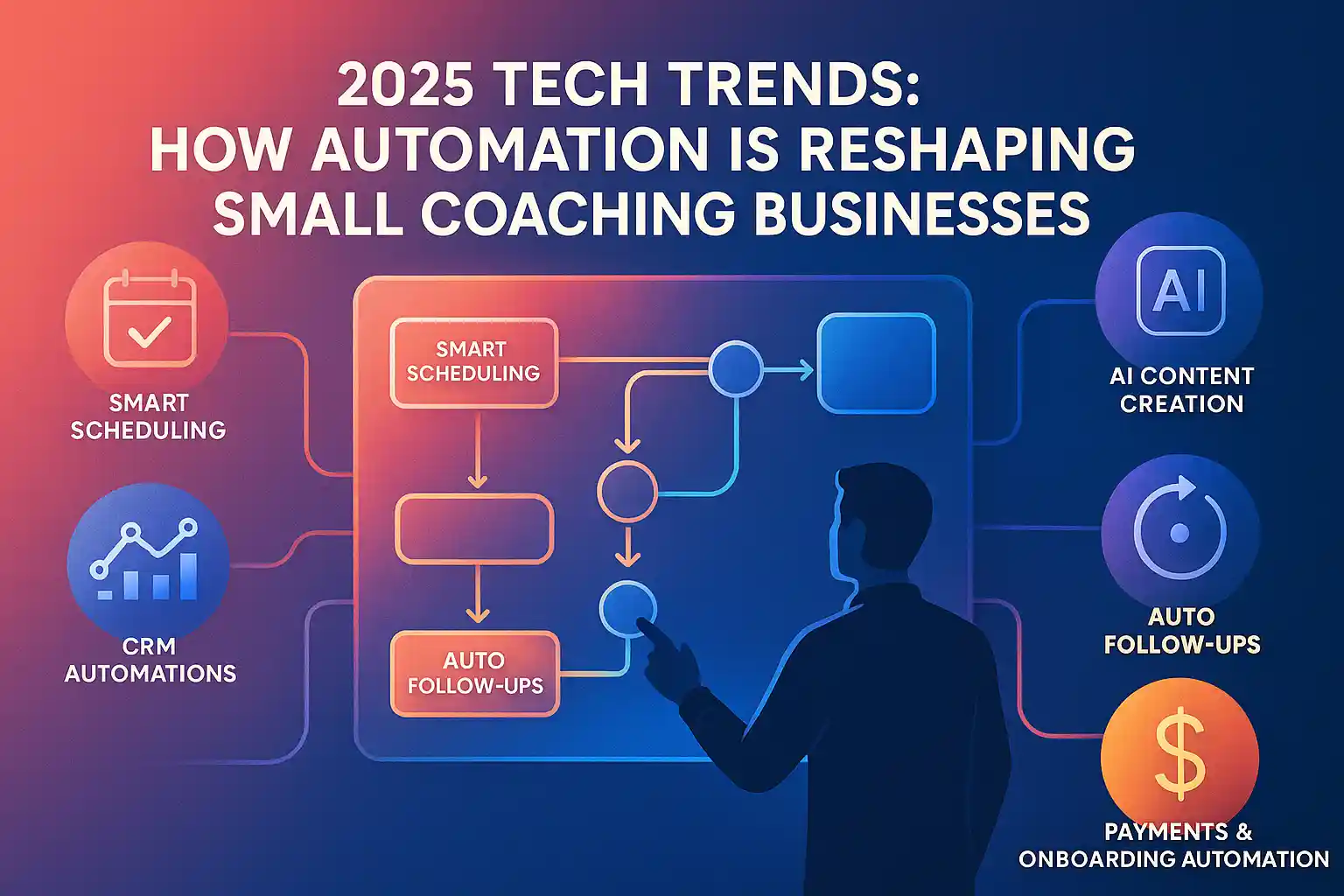
- Handling admin tasks like scheduling and reminders
This allows human coaches to focus on deeper emotional, strategic, or transformational work.
2. The Real Threat: Coaches Who Don’t Evolve

AI isn’t replacing coaches — it’s replacing outdated coaching models.
Coaches at risk:
- Those relying only on conversation without structure
- Those offering general advice instead of expertise
- Those who don’t adopt tech tools clients now expect
- Those unable to show measurable transformation
Clients want fast insights, accountability, and data — not just motivational talk.
3. Why Human Coaches Are Still Irreplaceable

AI can analyze patterns, but it can’t replicate human intuition, emotional depth, or lived experience.
Human coaches outperform AI in areas like:
- Emotional intelligence and empathy
- Handling complex life or leadership challenges
- Understanding cultural, relational, and personal nuances
- Deep transformational work
- Holding clients accountable with real human connection
AI supports change — humans activate it.
4. The Biggest Opportunity: Hybrid “AI-Assisted Coaching”
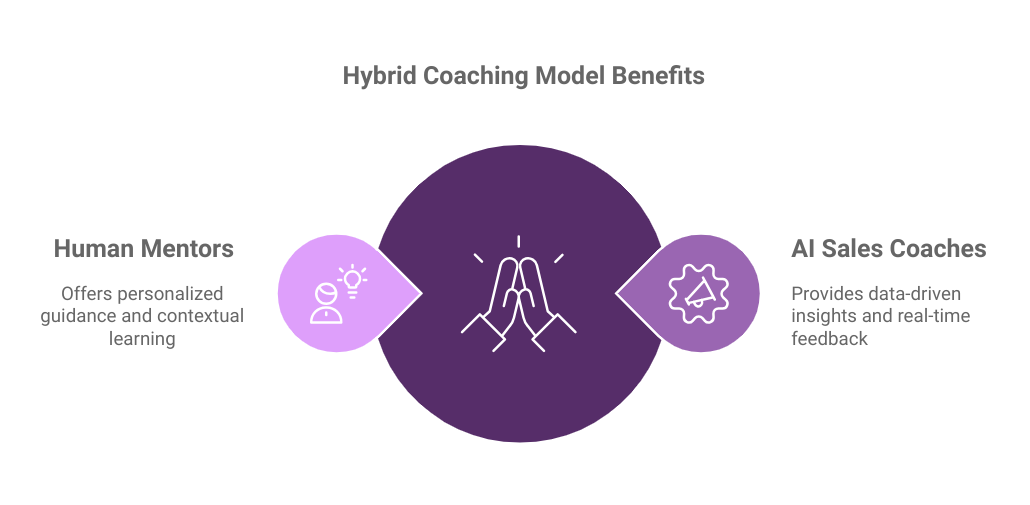
The future belongs to coaches who blend human insight + AI efficiency.
Hybrid coaching lets you:
- Serve more clients with less burnout
- Offer micro-coaching between sessions
- Create scalable digital products
- Show measurable progress through data
- Provide personalized experiences at every step
This model can multiply your impact — without multiplying your workload.
5. What AI Apps Teach Us About Changing Client Expectations

Clients today want coaching experiences that are:
- Fast
- Personalized
- Tech-friendly
- Available anywhere
- Data-backed
AI apps are shaping these expectations. Coaches who adapt to them will stand out.
6. How Coaches Can Stay Competitive in an AI-Driven Market

To stay ahead, coaches must do what AI cannot — while still leveraging AI power.
What to focus on:
- Develop deeper specialization
- Offer premium emotional and strategic guidance
- Use AI for efficiency, not replacement
- Provide hybrid programs with human + AI touchpoints
- Build community and belonging — something AI cannot replicate
The future belongs to emotionally intelligent, tech-empowered coaches.
Conclusion
AI-driven coaching apps are not a threat — they’re a wake-up call.
They will replace:
❌ Generic coaching
❌ Low-value conversations
❌ Coaches who resist technology
They will empower:
✅ Specialized coaches
✅ Emotionally intelligent coaches
✅ Coaches who use AI to scale
✅ Coaches who deliver deep human transformation
The opportunity is massive:
AI makes coaching more accessible — and elevates the value of truly great coaches.