






Attachment theory is one of the most powerful tools coaches use to help clients understand their relationship patterns, emotional triggers, and communication habits. Based on decades of psychological research, attachment theory explains why people connect, love, and behave the way they do in relationships.
When clients understand their attachment style, they gain:
- Clarity about their emotional needs
- Awareness of patterns in relationships
- Tools to develop secure, healthy connections
- Freedom from past wounds and reactive behaviors
This guide breaks down each attachment style and shows how coaches help clients move toward secure attachment, no matter their past.
🌟 What Are Attachment Styles?

Attachment styles are patterns of relating shaped in childhood and carried into adult relationships. They influence:
- How we express love
- How we handle conflict
- How we communicate needs
- How emotionally safe we feel with others
- Whether we pursue, avoid, or fear intimacy
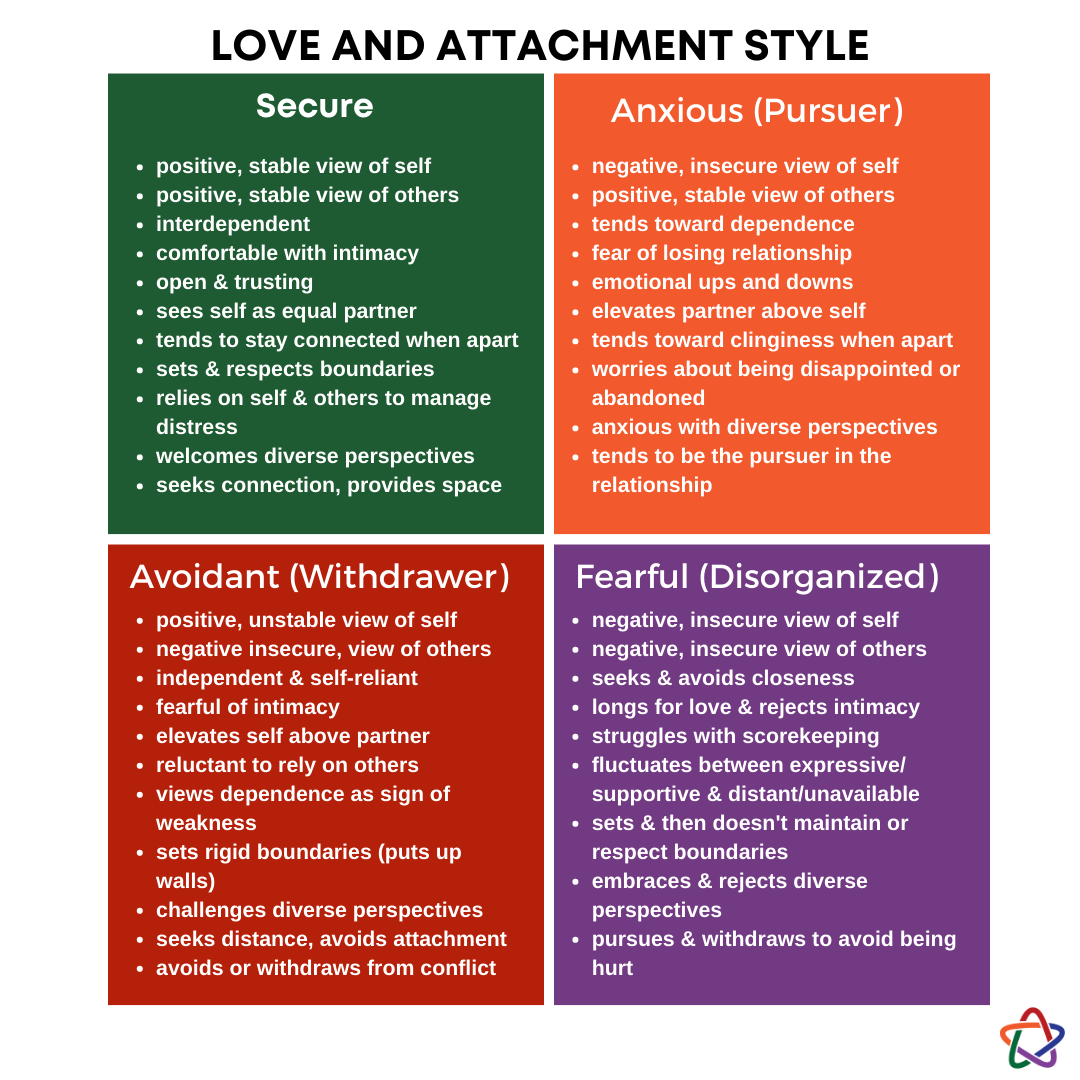
There are four main attachment styles:
- Secure
- Anxious (preoccupied)
- Avoidant (dismissive)
- Fearful-Avoidant (disorganized)
Coaches help clients understand these patterns and shift toward secure attachment.
🟢 1. Secure Attachment Style

Traits:
- Comfortable with intimacy
- Communicates needs clearly
- Sets healthy boundaries
- Emotionally regulated
- Trusts easily
- Resolves conflicts respectfully
Relationship Strengths:
- Balanced independence + connection
- Healthy emotional expression
- Strong conflict-resolution skills
How Coaches Develop Secure Attachment:
- Confidence-building exercises
- Emotional literacy training
- Communication frameworks
- Boundary-setting practice
- Inner child healing
Even those with insecure styles can become secure with support and awareness.
🟠 2. Anxious Attachment Style (Preoccupied)
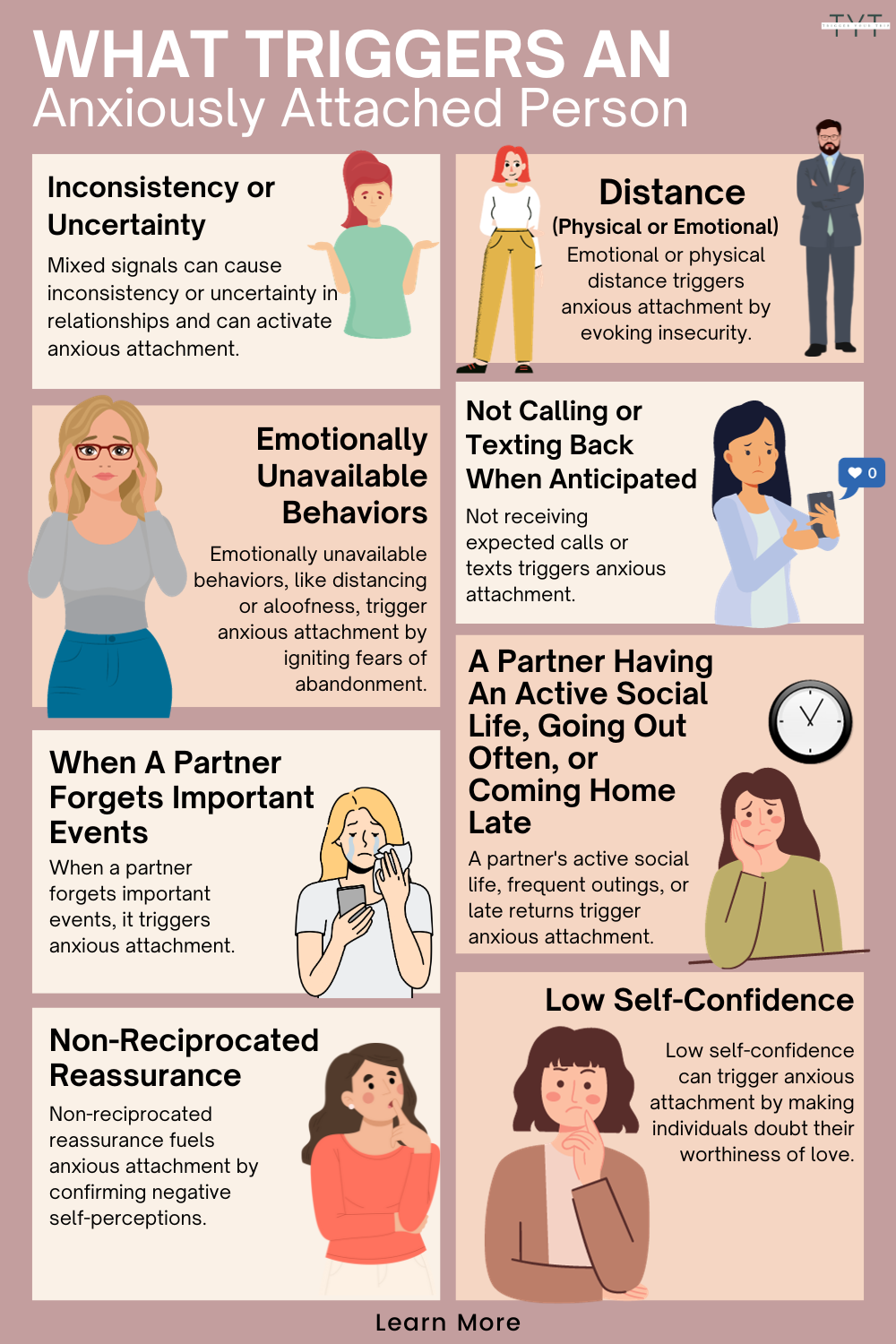
Traits:
- Needs constant reassurance
- Overthinks small changes
- Fears abandonment
- Highly attuned to others’ moods
- Difficulty being alone
Common Patterns:
- “Why didn’t they reply yet?”
- Taking delays personally
- People-pleasing to avoid conflict
- Feeling “too much” or “needy”
What Coaches Work On:
- Building self-worth
- Nervous system regulation
- Reassurance from within, not partners
- Reducing overthinking loops
- Asking for needs directly
- Detaching from fear-driven behaviors
Goal: Help clients feel secure without external validation.
🔵 3. Avoidant Attachment Style (Dismissive)
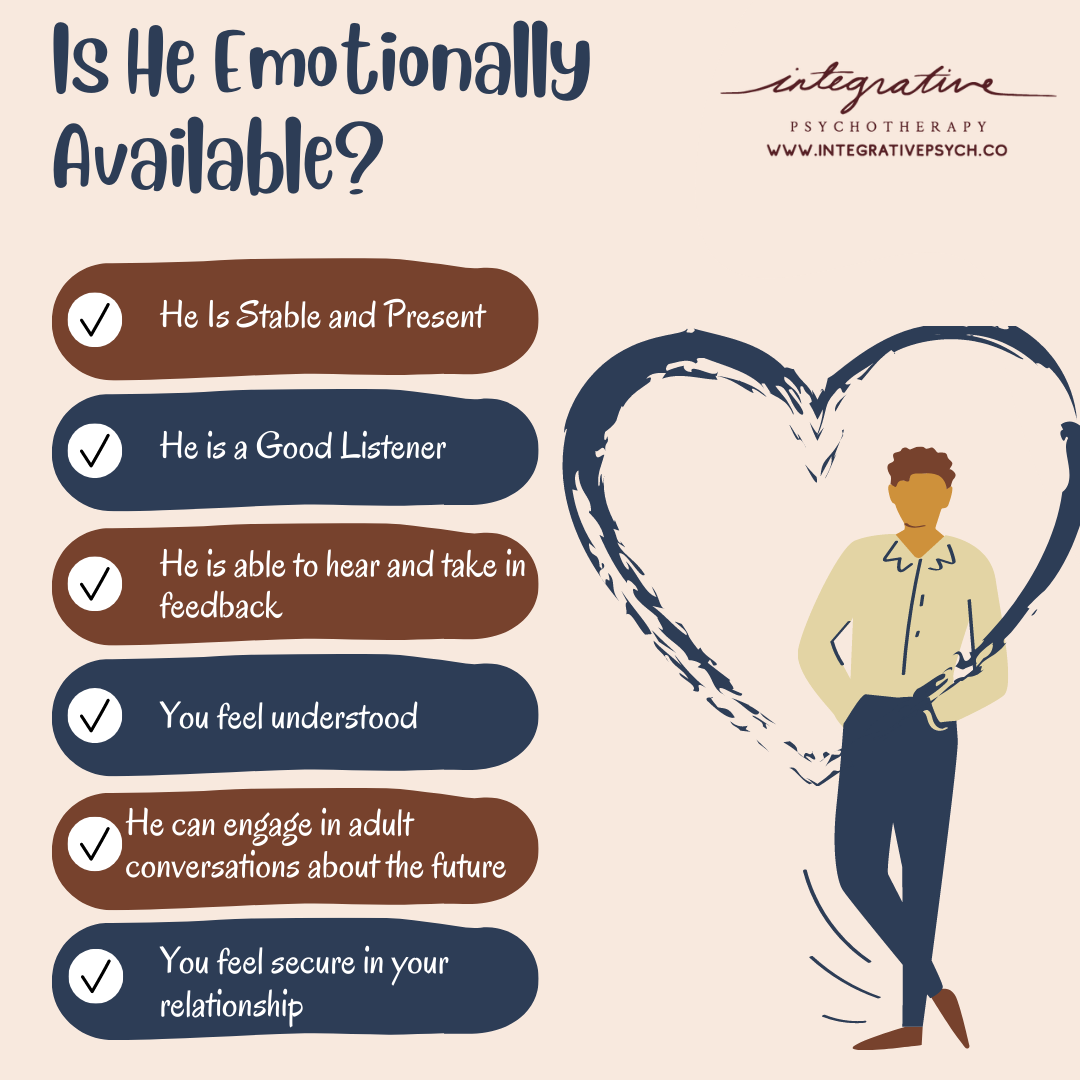
Traits:
- Values independence over closeness
- Pulls away when things get emotional
- Struggles to express feelings
- May appear cold or distant
- Feels overwhelmed by emotional needs
Common Patterns:
- Ghosting or disappearing
- Keeping relationships superficial
- Downplaying emotions
- Believing “I don’t need anyone”
- Feeling suffocated in closeness
What Coaches Help With:
- Emotional expression exercises
- Somatic (body-based) awareness
- Vulnerability practice
- Expanding “intimacy tolerance”
- Gradually allowing dependence + closeness
Avoidant clients learn connection doesn’t mean losing freedom.
🟣 4. Fearful-Avoidant Attachment (Disorganized)

Traits:
- Craves closeness but fears it
- Push-pull behavior
- High reactivity
- Deep fear of rejection
- Difficulty trusting partners
Common Patterns:
- “Come close… but not too close.”
- Emotional overwhelm
- Hot-and-cold behavior
- Attraction to chaotic relationships
What Coaches Help With:
- Trauma-informed grounding
- Emotional regulation
- Trust-building tools
- Pattern interruption techniques
- Creating safe relational experiences
This style requires gentle, consistent coaching support.
🔍 How Coaches Identify a Client’s Attachment Style
Coaches use:
- Questionnaires
- Communication assessments
- Relationship history analysis
- Trigger mapping
- Behavior-pattern evaluation
- Inner child exploration
This helps clients gain clarity about why they behave the way they do.
🛠 Coaching Tools for Moving Toward Secure Attachment

Here are the most effective tools:
1. Emotional Regulation Techniques
Clients learn to manage anxiety, shutdown, and overwhelm.
Tools:
- Breathwork
- Grounding exercises
- Nervous system resets
2. Inner Child Healing
Identifying wounds from childhood and creating emotional safety.
3. Attachment Re-patterning
Coaches guide clients to behave in ways aligned with secure attachment:
- Clear communication
- Asking for needs calmly
- Setting boundaries
- Building trust intentionally
4. Communication Frameworks
Clients learn:
- “I feel… when… because…” statements
- Nonviolent Communication (NVC)
- The ‘clarify before reacting’ method
5. Rewriting Relationship Beliefs
Examples:
- “I am worthy of consistent love.”
- “Closeness doesn’t threaten my freedom.”
- “I can handle emotional intensity.”
6. Practical Relationship Rituals
- Weekly check-ins
- Gratitude messages
- Repair conversations
- Connection routines
- Shared vulnerability habits
These rituals help clients build secure bonds.
❤️ Coaches Help Clients Break “Insecure Attachment Loops”
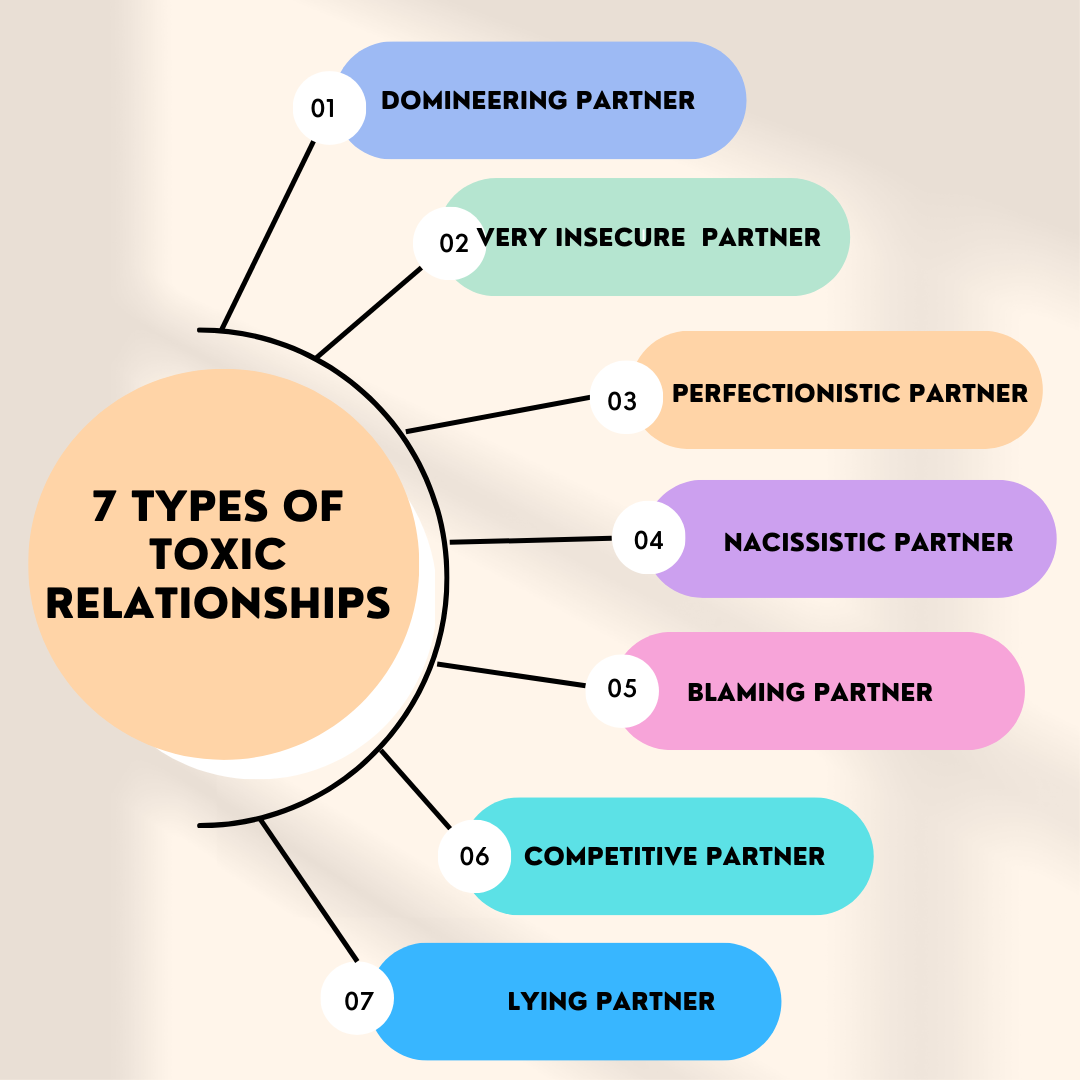
Examples:
Anxious Loop:
Trigger → fear → over-texting → conflict → reassurance → repeat
Avoidant Loop:
Closeness → overwhelm → withdrawal → conflict → guilt → repeat
Fearful-Avoidant Loop:
Craving closeness → fear kicks in → pushing away → regret → repeat
Coaching helps clients recognize and break these loops.
🌿 The Goal: Earned Secure Attachment

“Earned secure attachment” means becoming secure through learning, healing, and self-awareness — regardless of past experiences.
Clients develop:
- Emotional safety
- Clear boundaries
- Healthy communication
- Trust in themselves
- Trust in partners
- Balanced intimacy
- Secure love habits
This is the foundation of healthy, fulfilling relationships.
✨ Final Thoughts: Secure Attachment Is a Skill — Not a Trait
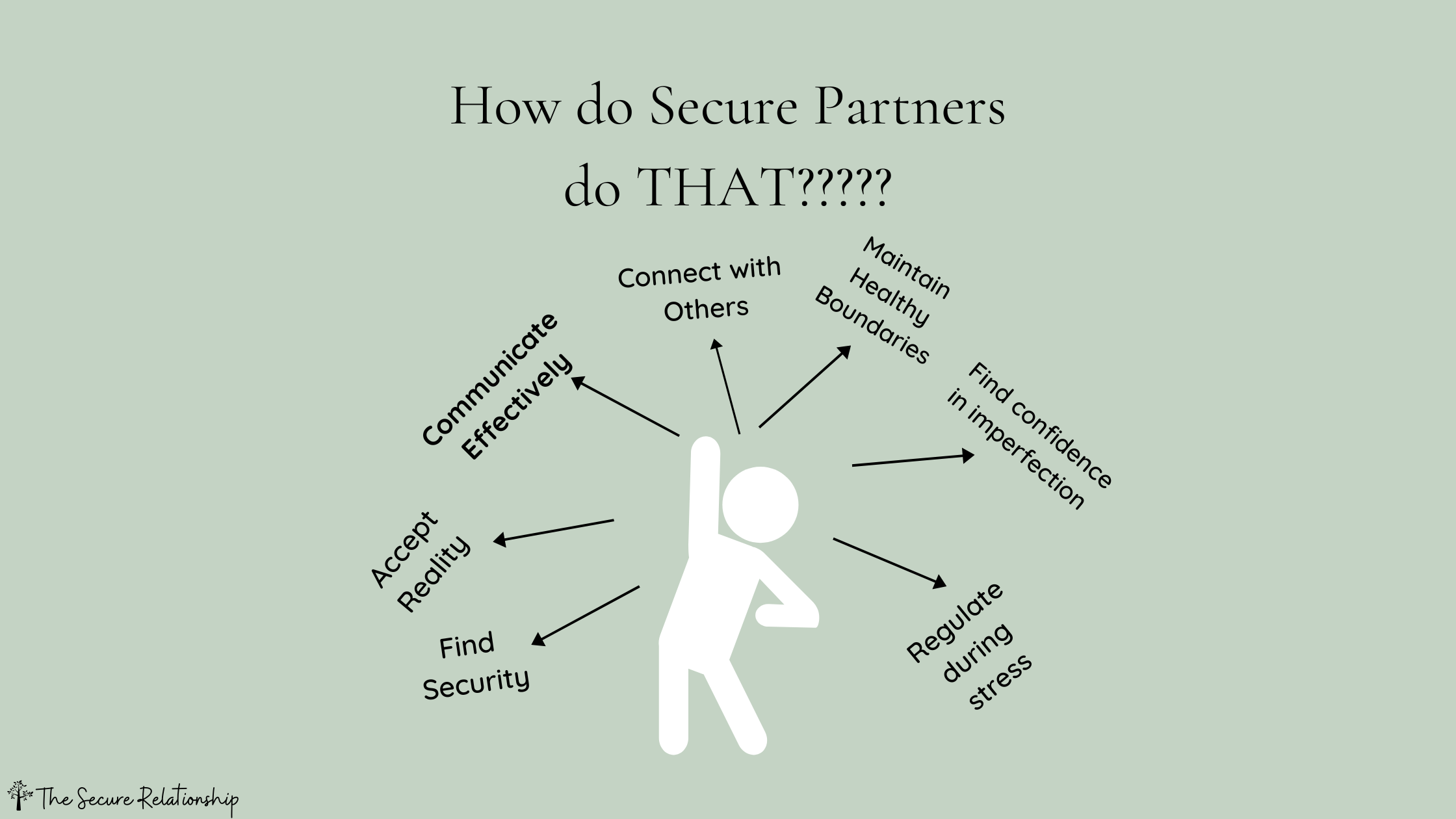
Attachment styles don’t define a person — they reveal patterns shaped by experiences.
With the right coaching tools, guidance, emotional awareness, and consistency, anyone can move toward secure attachment, build deeper connections, and create relationships rooted in trust and emotional safety.
Secure love isn’t something you’re born with —
it’s something you learn, build, and choose.