
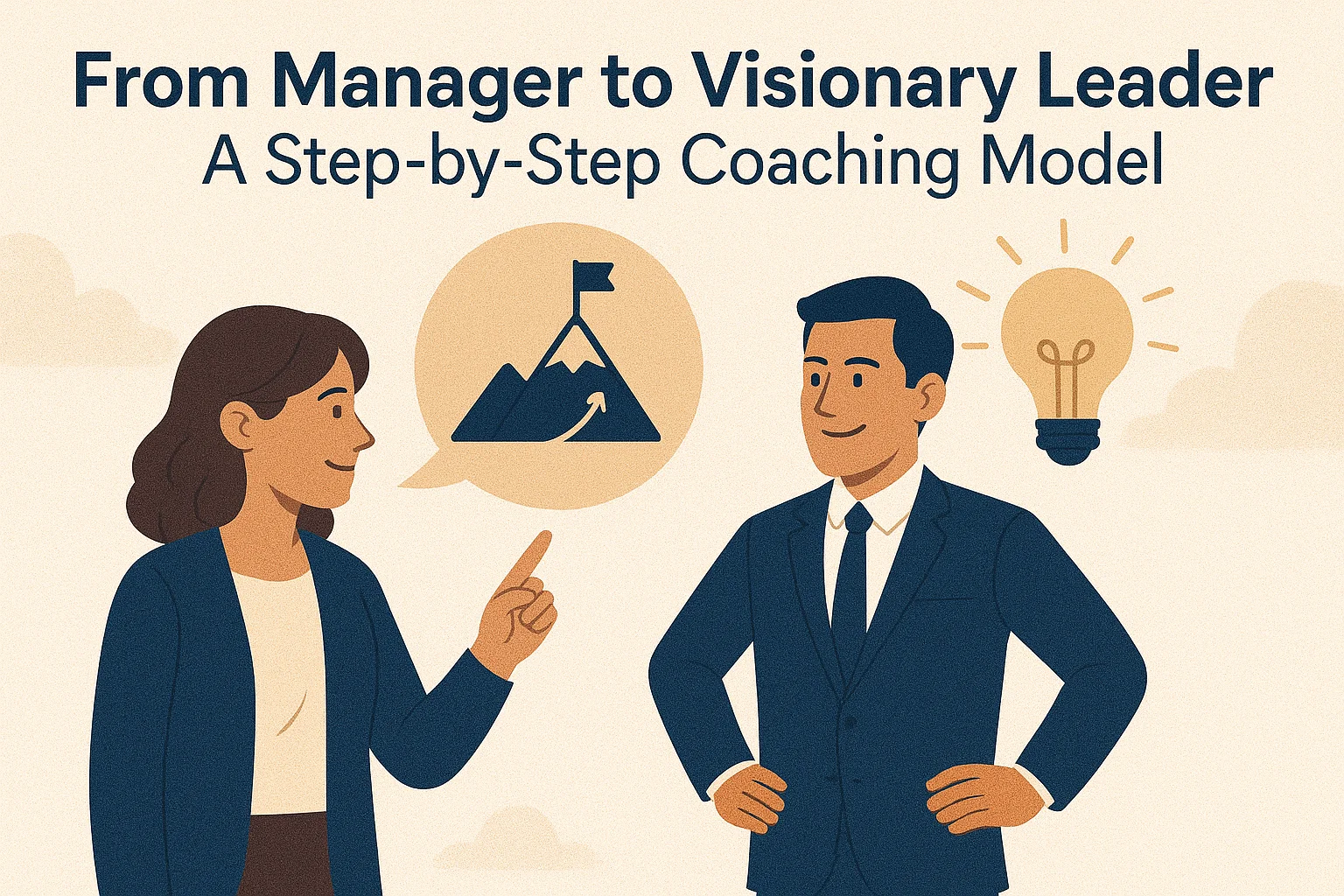
The modern workplace demands more than task-oriented managers. Organizations now need visionary leaders—individuals who think strategically, inspire innovation, and rally teams around a shared purpose.
The transition from manager to visionary leader doesn’t happen by accident. It requires a clear, structured coaching model that transforms how leaders think, act, and influence others.
In this article, we walk through a step-by-step coaching framework designed to elevate managers into leaders who create impact, shape culture, and drive long-term success.
🌟 Why the Shift From Manager to Visionary Leader Matters


Traditional managers focus on:
- Tasks
- Processes
- Efficiency
- Short-term results
But visionary leaders focus on:
- Big-picture thinking
- Future opportunities
- Inspiring people
- Driving meaningful change
- Long-term value
As companies navigate uncertainty, technological disruption, hybrid work, and cultural transformation, visionary leadership is the ultimate competitive advantage.
🔍 The Step-by-Step Coaching Model


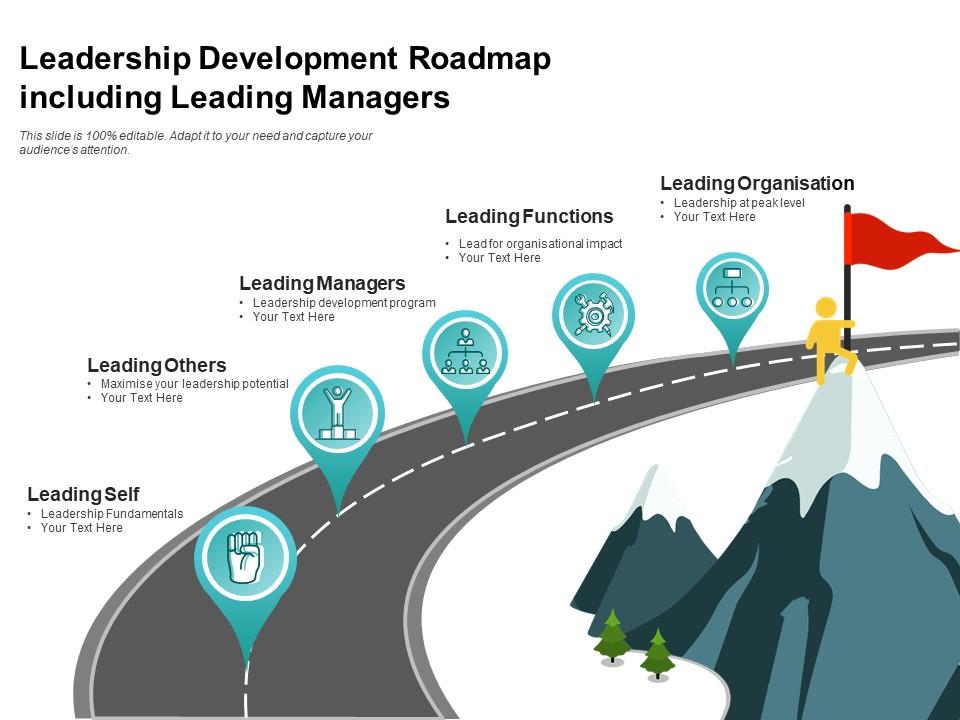
Below is the complete 8-step model used by top leadership coaches to help managers evolve into visionary leaders.
Step 1: Build Deep Self-Awareness


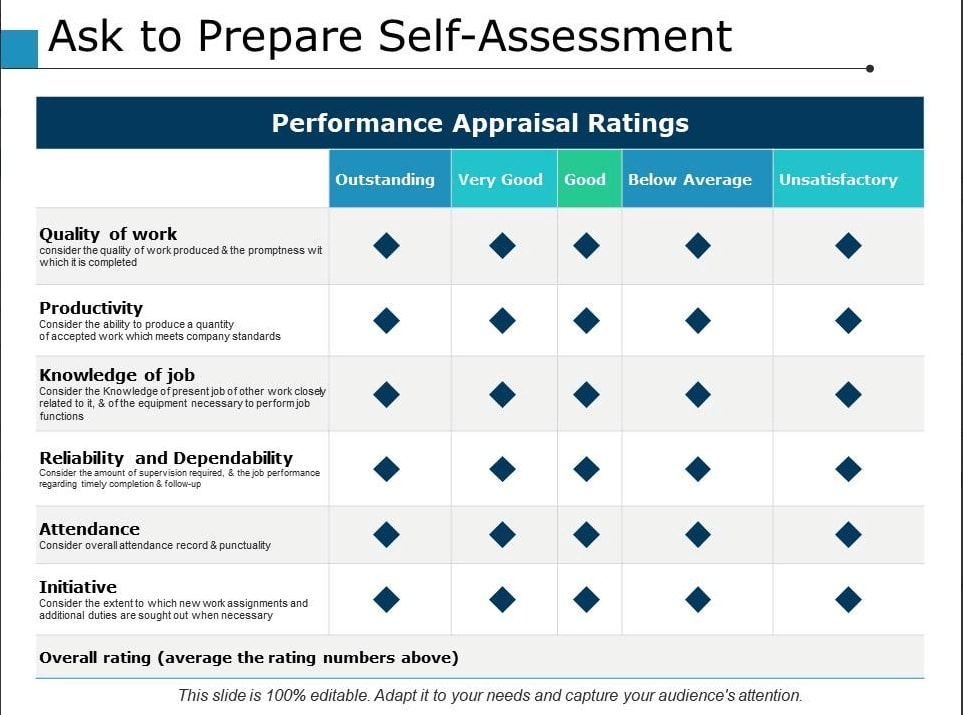
Visionary leadership begins with understanding:
- Strengths
- Weaknesses
- Emotional triggers
- Blind spots
- Leadership default patterns
Coaching tools:
- 360° assessments
- Personality tests (DISC, MBTI, Enneagram)
- Emotional intelligence evaluation
- Self-reflection journaling
Awareness becomes the foundation for transformation.
Step 2: Shift from Task Manager to Strategic Thinker
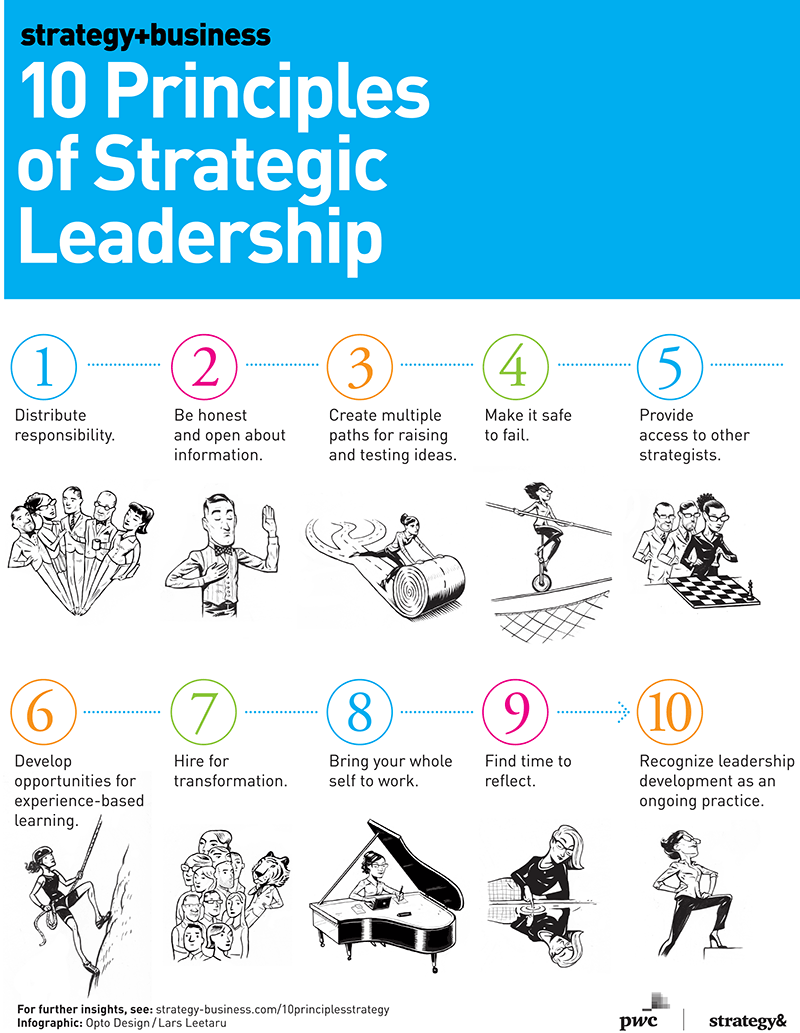


Managers execute tasks—visionary leaders anticipate the future.
Coaches guide leaders to:
- Think beyond daily operations
- Understand industry trends
- Analyze competitive landscapes
- Connect decisions to long-term goals
Tools used:
- SWOT analysis
- Strategic frameworks
- Scenario planning
This step elevates thinking from “What do we do now?” to “Where are we going next?”
Step 3: Clarify Personal Leadership Vision & Purpose
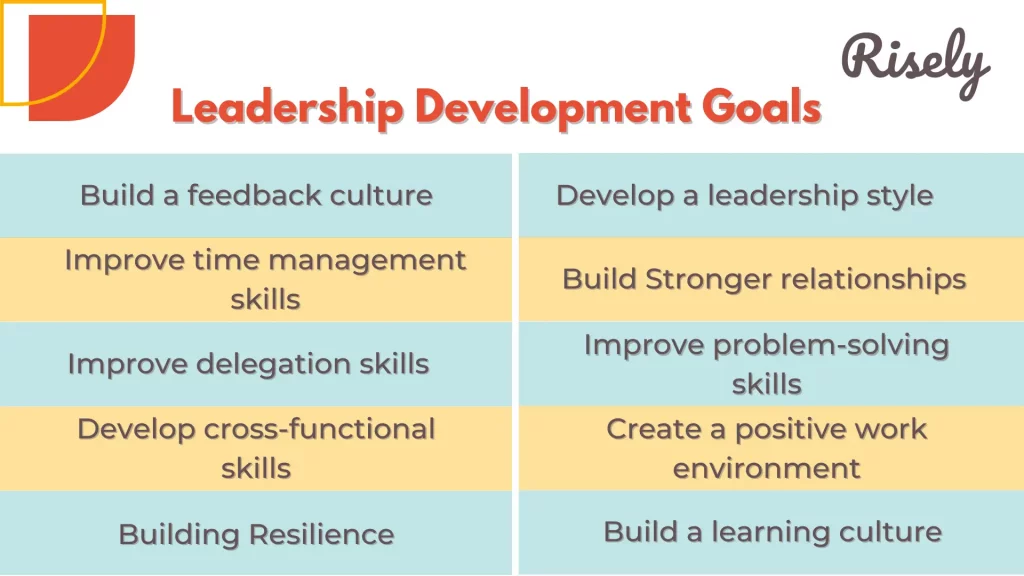
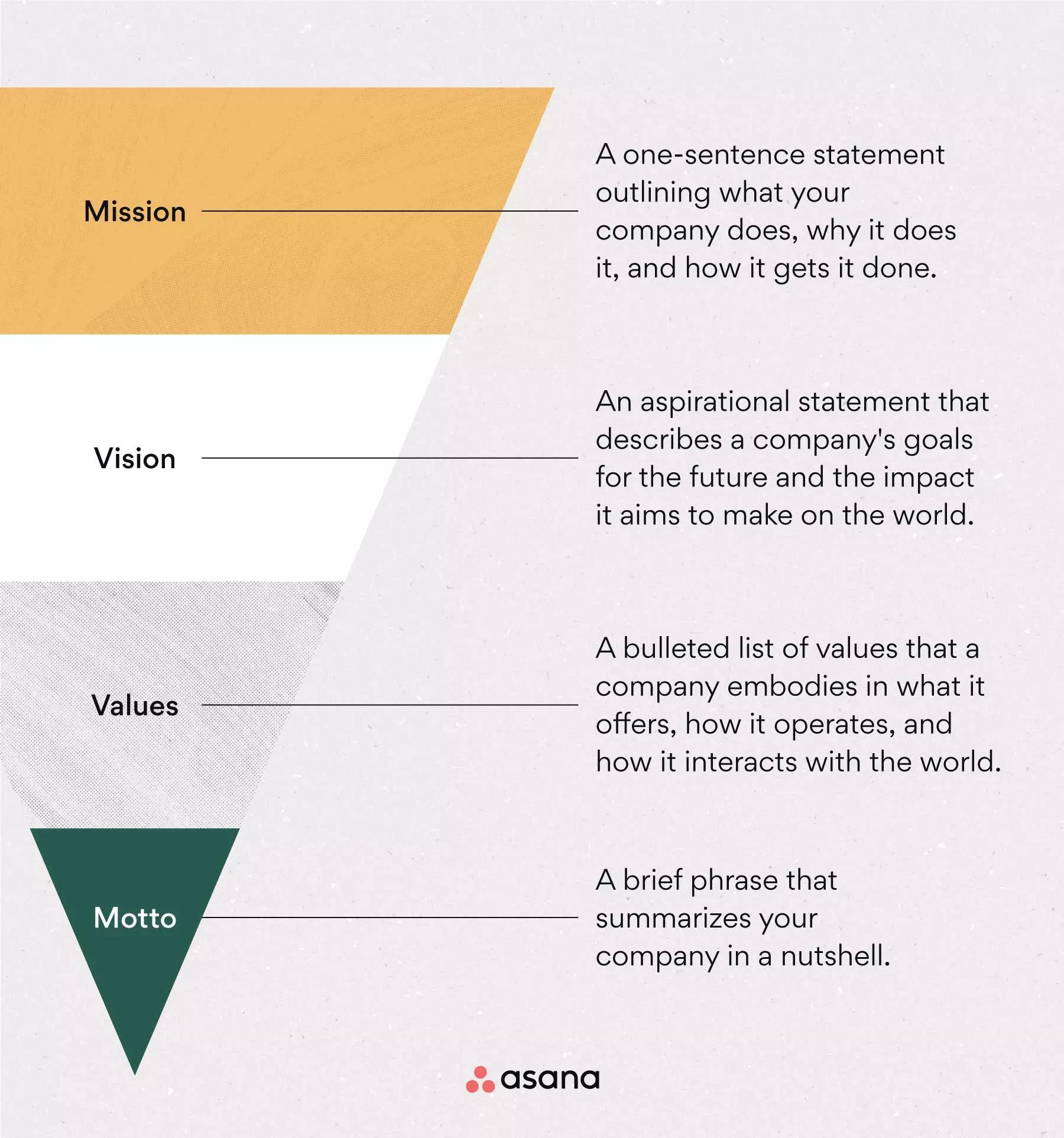
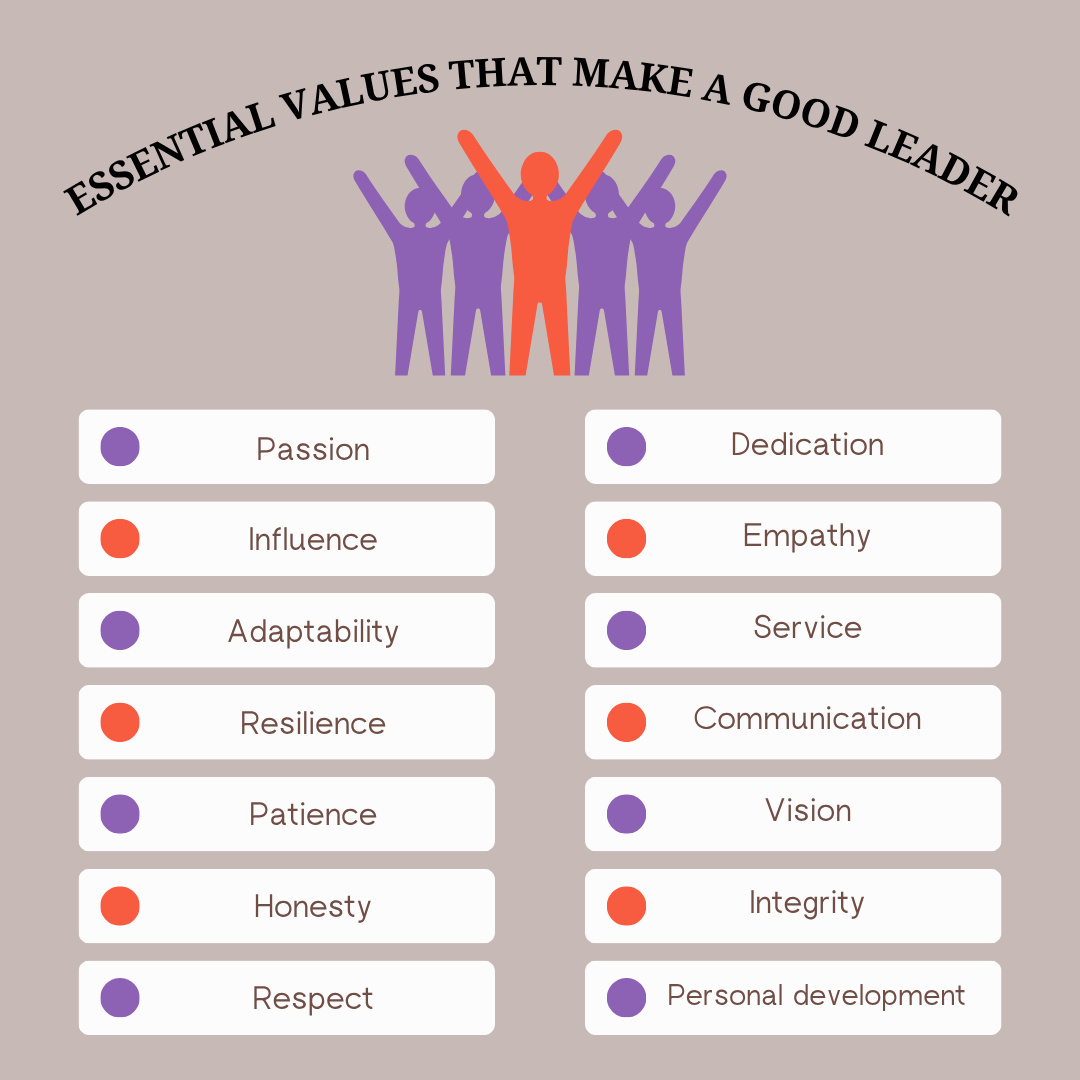
Managers follow instructions. Visionary leaders create direction.
During coaching, leaders define:
- Their purpose
- Their mission
- Their leadership philosophy
- The legacy they want to build
Exercises include:
- Purpose mapping
- Vision-setting workshops
- Values identification
Purpose-aligned leaders inspire trust and loyalty.
Step 4: Strengthen Emotional Intelligence (EQ)
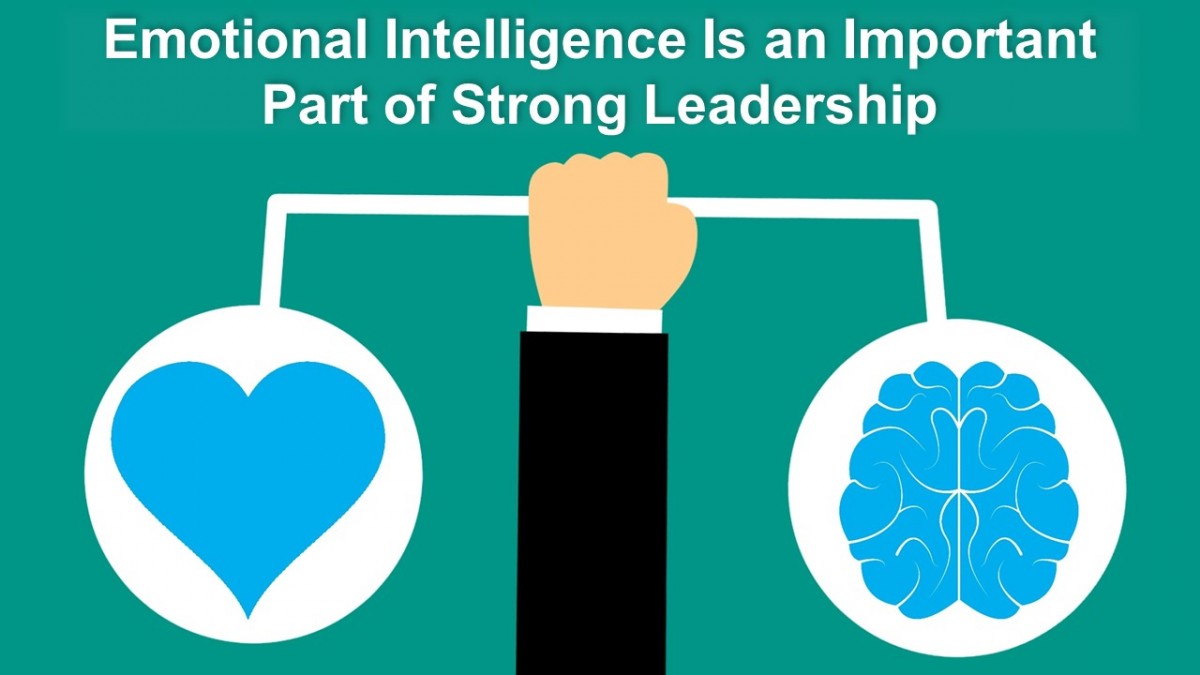

Visionary leadership demands emotional mastery.
EQ helps leaders:
- Navigate conflict constructively
- Build relationships
- Communicate authentically
- Stay calm under pressure
- Motivate teams through connection
Coaching focuses on:
- Self-regulation
- Social awareness
- Active listening
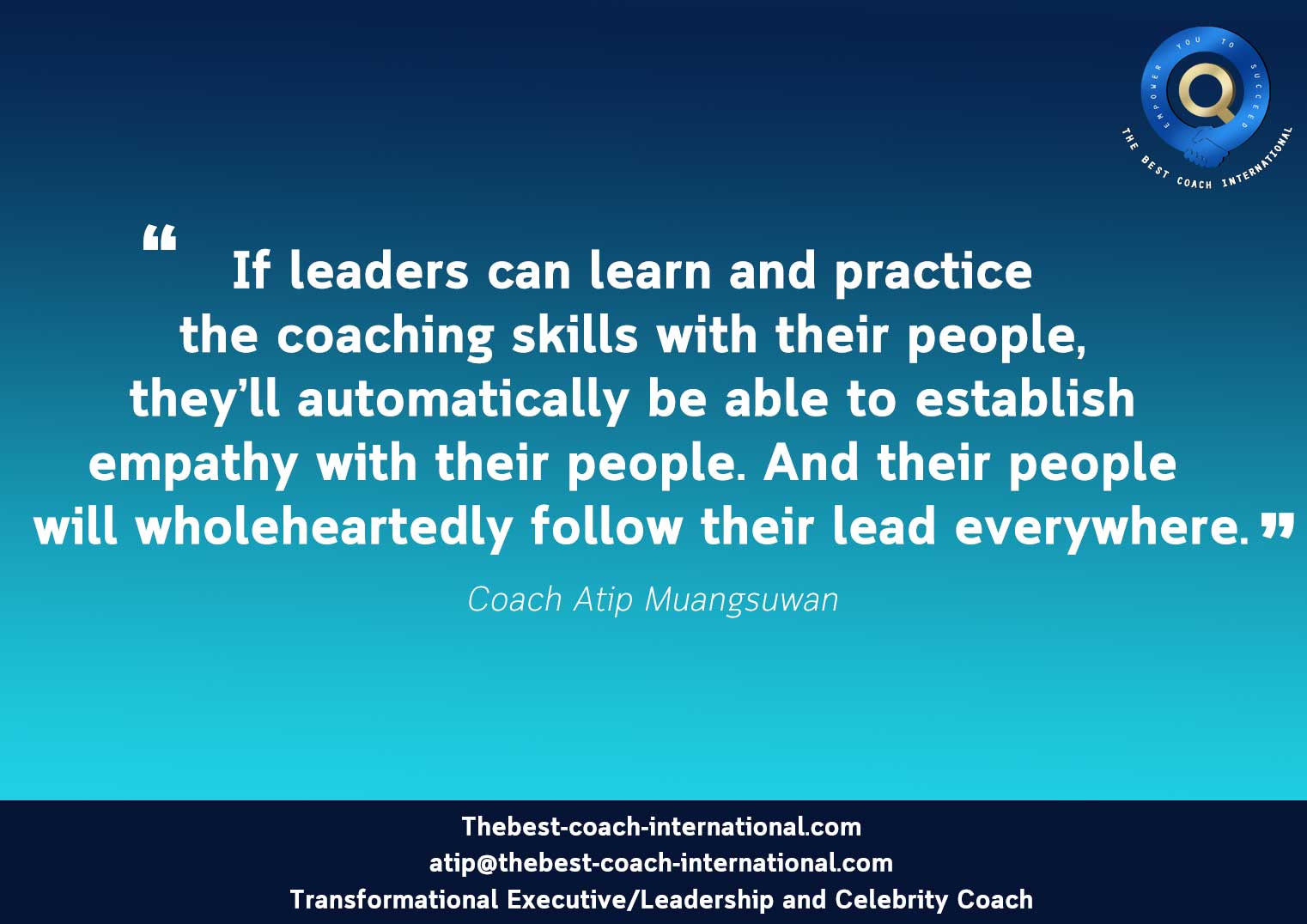
- Empathy-building exercises
EQ creates leaders people want to follow.
Step 5: Develop a Compelling Vision Others Want to Follow
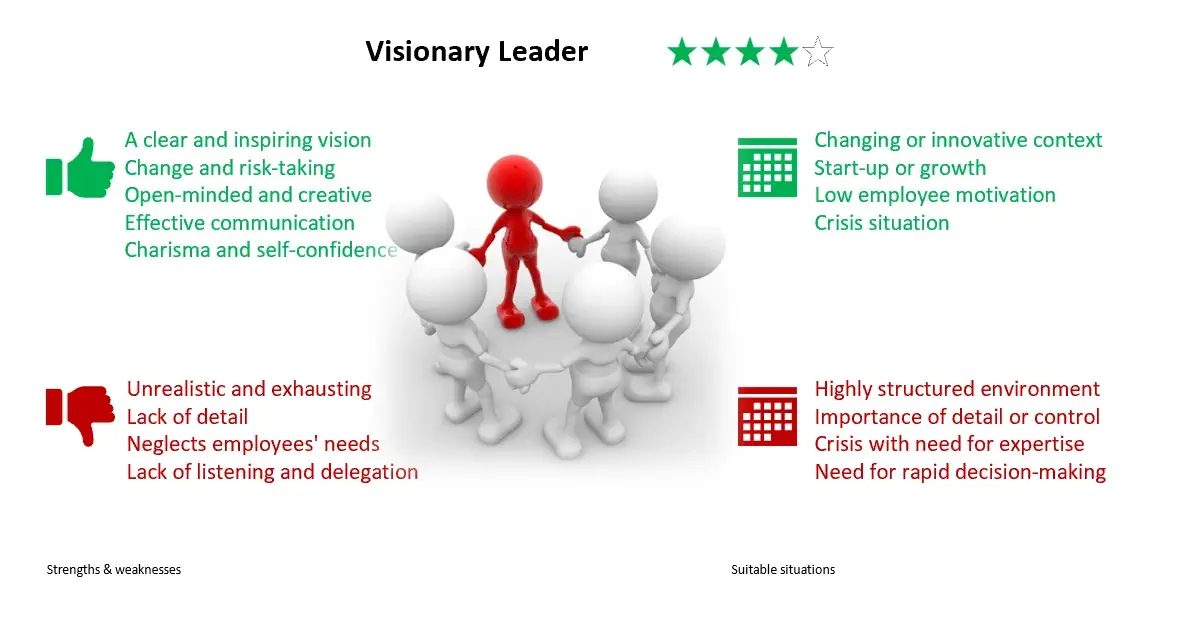


A visionary leader paints a picture of the future that inspires action.
Coaches help leaders craft a vision that is:
- Clear
- Emotionally compelling
- Purpose-driven
- Achievable
Then they teach leaders to communicate it:
- Through storytelling
- Through strategic communication
- Through consistent alignment
A powerful vision acts as a magnet for engagement and motivation.
Step 6: Build Influence Through Authentic Communication


Visionary leaders influence through authenticity—not authority.
Coaching supports leaders in:
- Communicating with clarity
- Using empowering questions
- Holding difficult conversations
- Giving meaningful feedback
- Leading with transparency
Frameworks used:
- Conscious communication
- Crucial conversations method
- Storytelling for influence
Communication becomes a key differentiator between managers and visionary leaders.
Step 7: Empower Teams Instead of Controlling Them

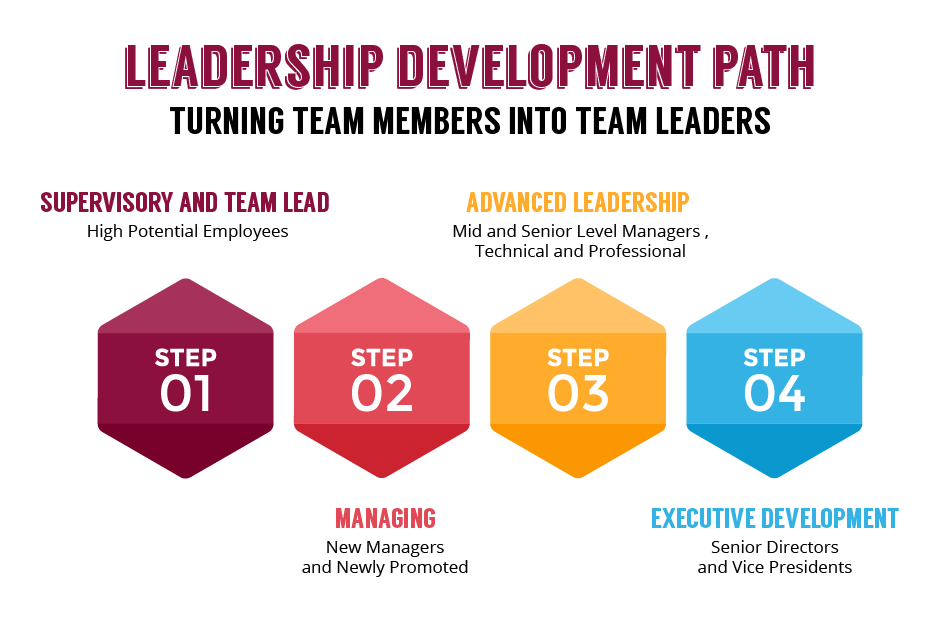
Managers delegate tasks. Visionary leaders empower ownership.
Coaches help leaders:
- Delegate outcomes, not instructions
- Build decision-making autonomy
- Encourage innovation
- Create psychological safety
- Recognize contributions effectively
Empowered teams drive growth without micromanagement.
Step 8: Build the Habits & Mindset of a Visionary Leader
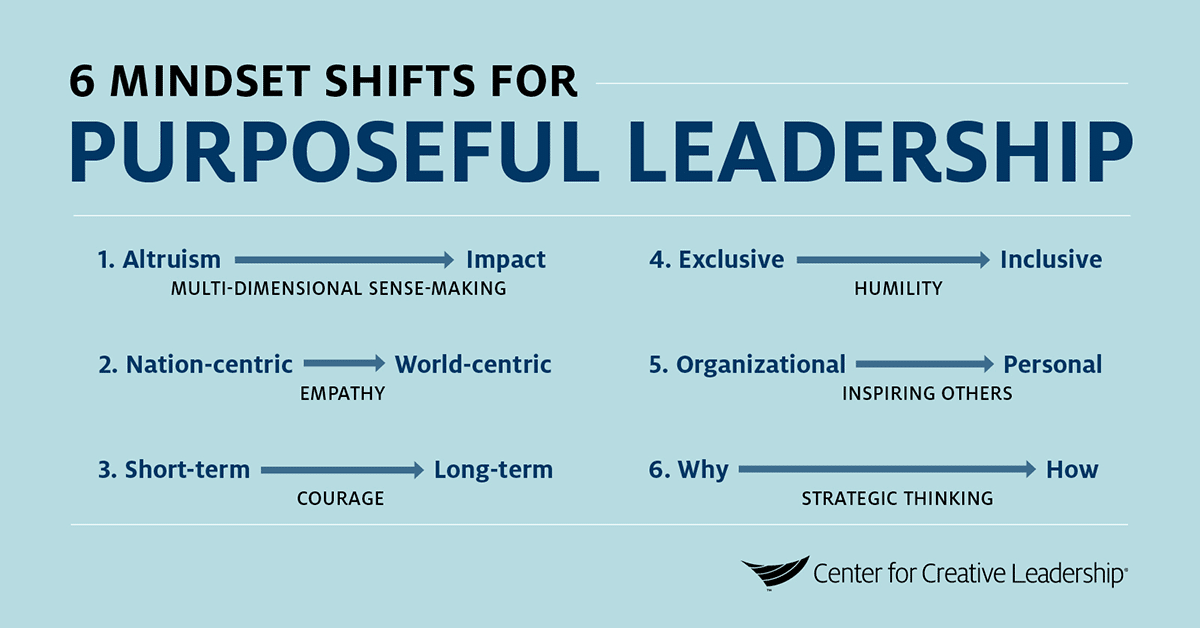


The final step ensures the transformation becomes long-term.
Visionary leadership habits include:
- Daily reflection
- Long-term thinking
- Continuous learning
- Resilience practices
- Strategic priority planning
- Mindfulness techniques
Coaches support leaders in creating routines that reinforce their new identity.
🌍 The Organizational Impact of Visionary Leadership

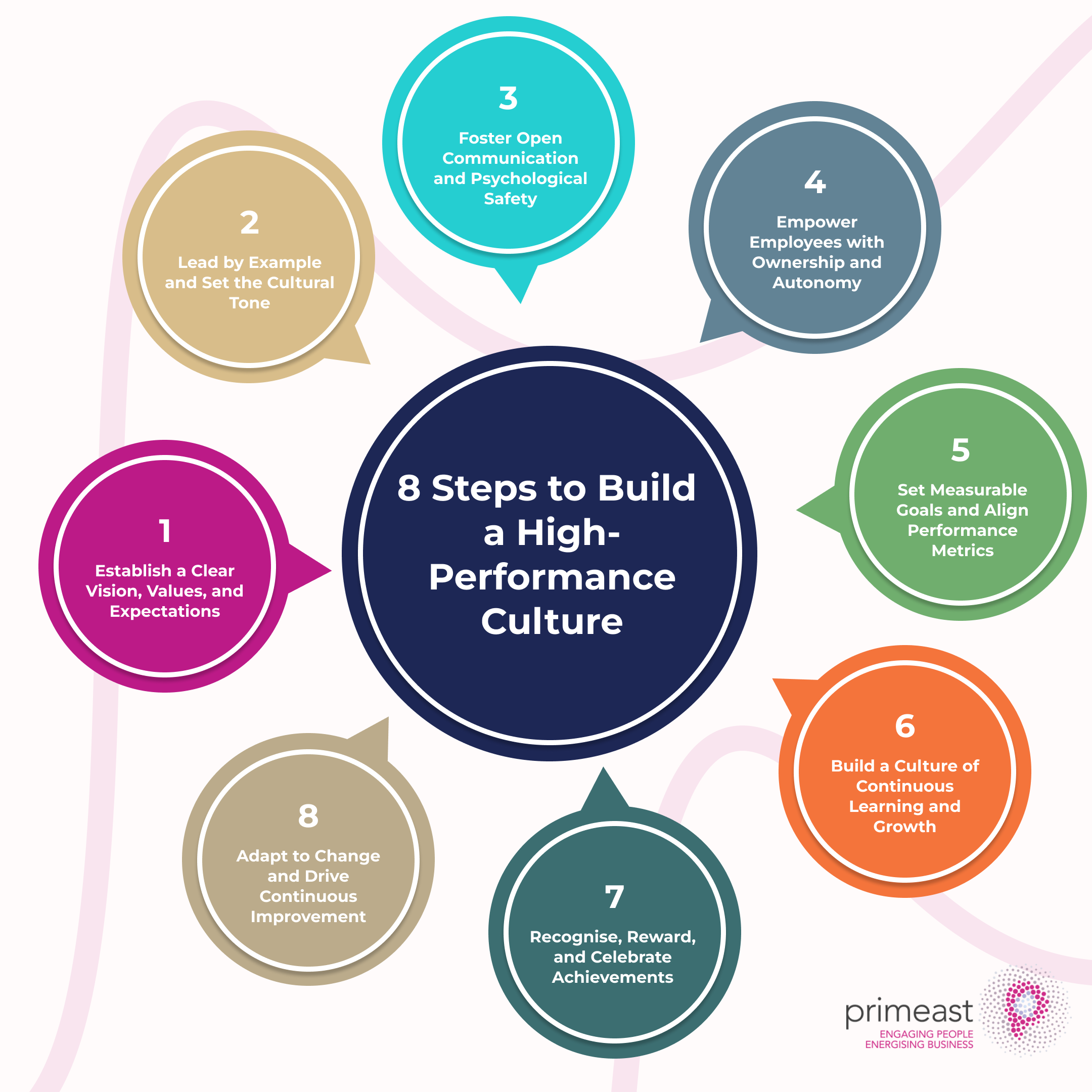

Organizations led by visionary leaders see:
- Higher employee engagement
- Stronger culture and values
- Faster innovation and adaptability
- Better decision-making
- Improved resilience during crisis
- Greater long-term performance
This transformation benefits not just the leader—but the entire company.
✨ Final Thoughts: Becoming a Visionary Leader Is a Journey, Not a Title

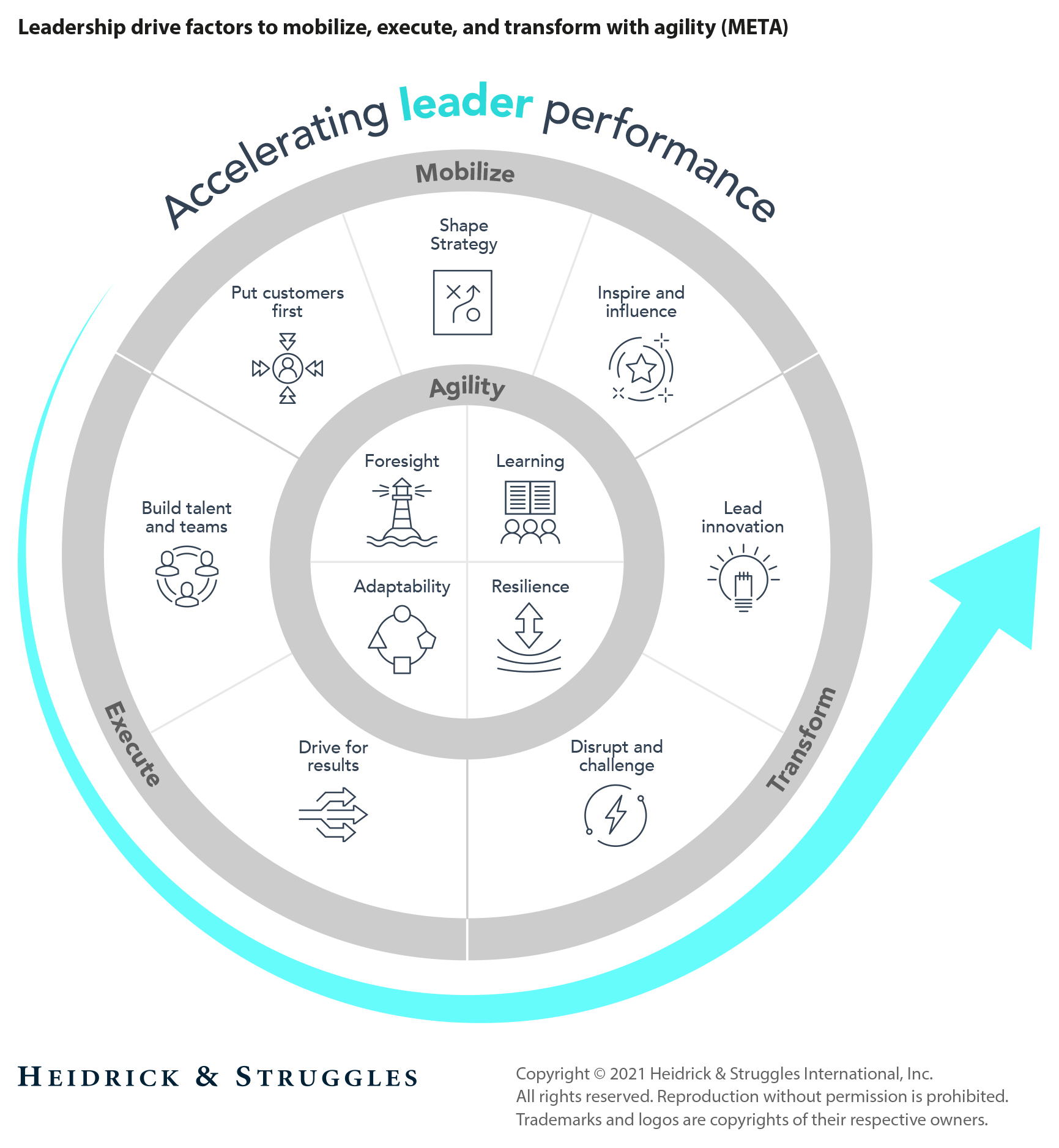
A manager becomes a visionary leader by embracing:
- Awareness
- Purpose
- Emotional intelligence
- Strategic thinking
- Empowering communication
- Team development
- Long-term mindset
The step-by-step coaching model above helps leaders shift from managing tasks to shaping the future.
With the right coaching, any manager can evolve into a leader who inspires, motivates, and transforms organizations.