

Startups in 2025 are entering a new era of innovation, resilience, and digital evolution. From AI-driven operations to sustainable business models, entrepreneurs are reshaping the global business landscape. Here’s what founders, investors, and business coaches must understand about the latest entrepreneurship priorities.
Why 2025 Is a Defining Year for Global Startups

Startups in 2025 are navigating a unique mix of challenges and opportunities—including economic uncertainty, rapid technological advancement, and shifting consumer expectations. These conditions are pushing entrepreneurs toward smarter, leaner, and more strategic ways of building companies.
1. AI-First Business Models Are Becoming the Norm
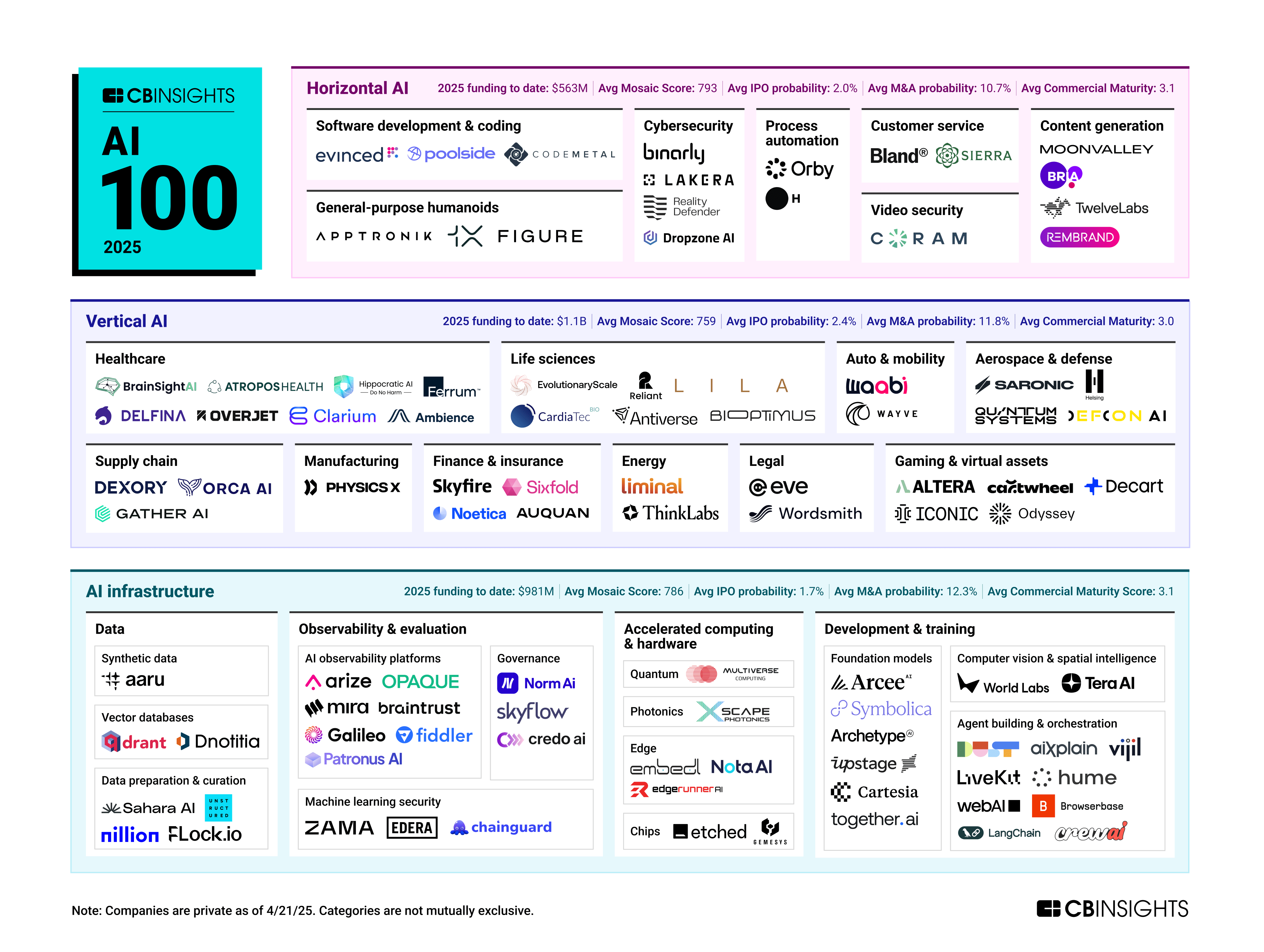
AI is no longer a competitive advantage—it’s becoming the foundation of most startup models.
Startups are prioritizing:
- AI-driven automation to reduce costs
- Personalized customer experiences
- AI-ready product development
- Data-enabled decision-making
Leaders who adopt AI early gain massive speed, efficiency, and scalability.
2. Lean, Agile, and Capital-Efficient Operations

Funding environments have tightened globally, forcing founders to operate smarter.
Key priorities include:
- Running lean teams with hybrid talent
- Reducing burn rates
- Bootstrapping or using micro-funding
- Fast pivots and rapid testing
Startups are focusing on sustainable growth, not “growth at any cost.”
3. Sustainability & Ethical Entrepreneurship Are Rising Fast
Consumers and investors increasingly support companies with ethical, eco-conscious values.
Popular focus areas:
- Green tech & clean energy
- Ethical sourcing
- Transparent supply chains
- Carbon reduction initiatives
Sustainability is becoming both a market expectation and a brand differentiator.
4. Creator-Led & Solo Founder Startups Are Booming
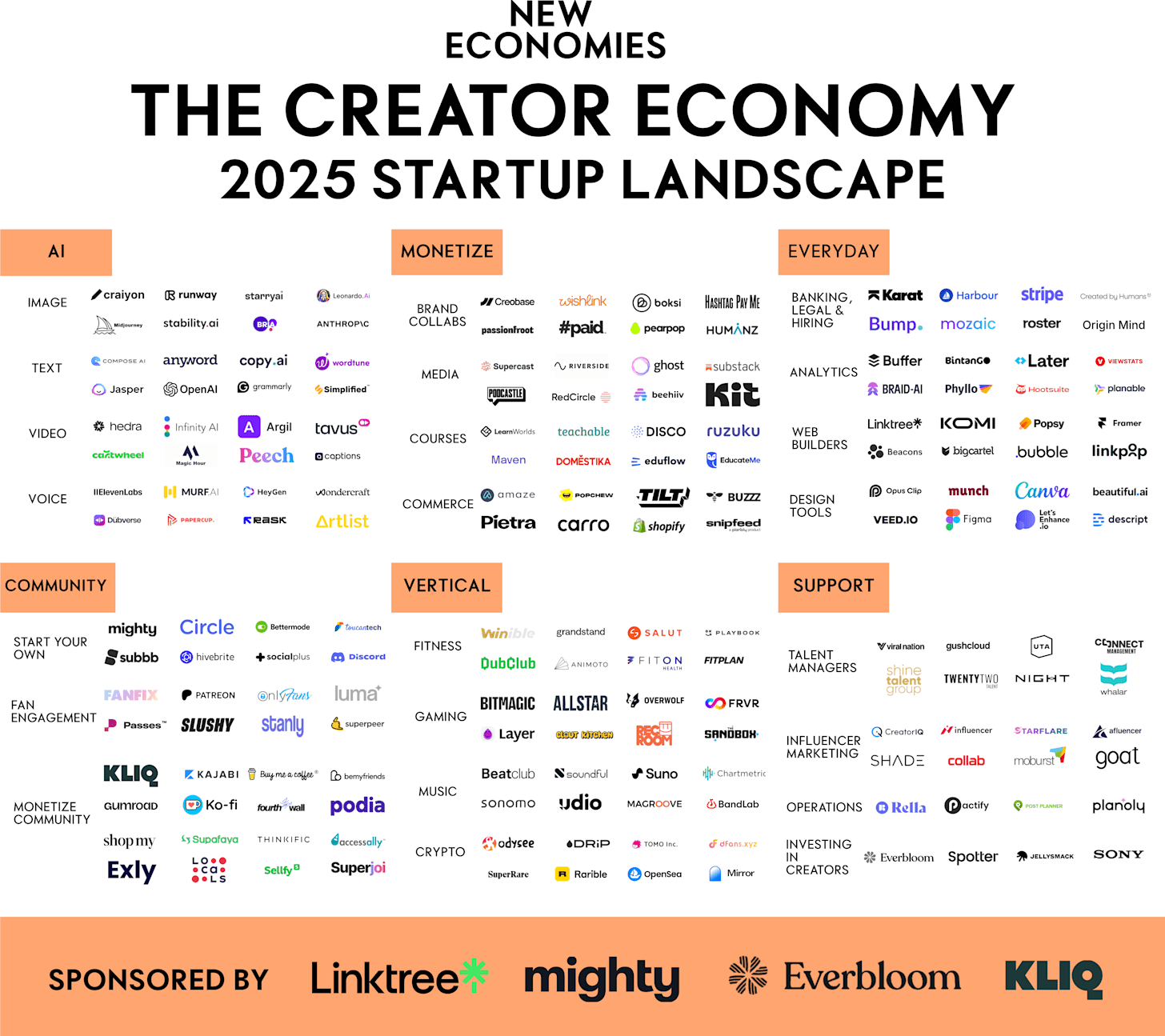
More startups are being built by:
- Solopreneurs
- Content creators
- Micro-startup builders
Thanks to AI tools, one person can now operate what previously required a small team. This shift is giving rise to agile, personality-driven businesses.
5. Global Remote Teams and Cross-Border Collaboration

Remote-first entrepreneurship is now a strategic advantage.
Trends shaping global teams:
- Hiring talent across borders
- Reducing office costs
- Accessing specialized skills quickly
- Building diverse, multi-cultural companies
Startups are no longer limited by geography—and neither are founders.
6. Mental Resilience & Well-Being Becoming Founder Priorities
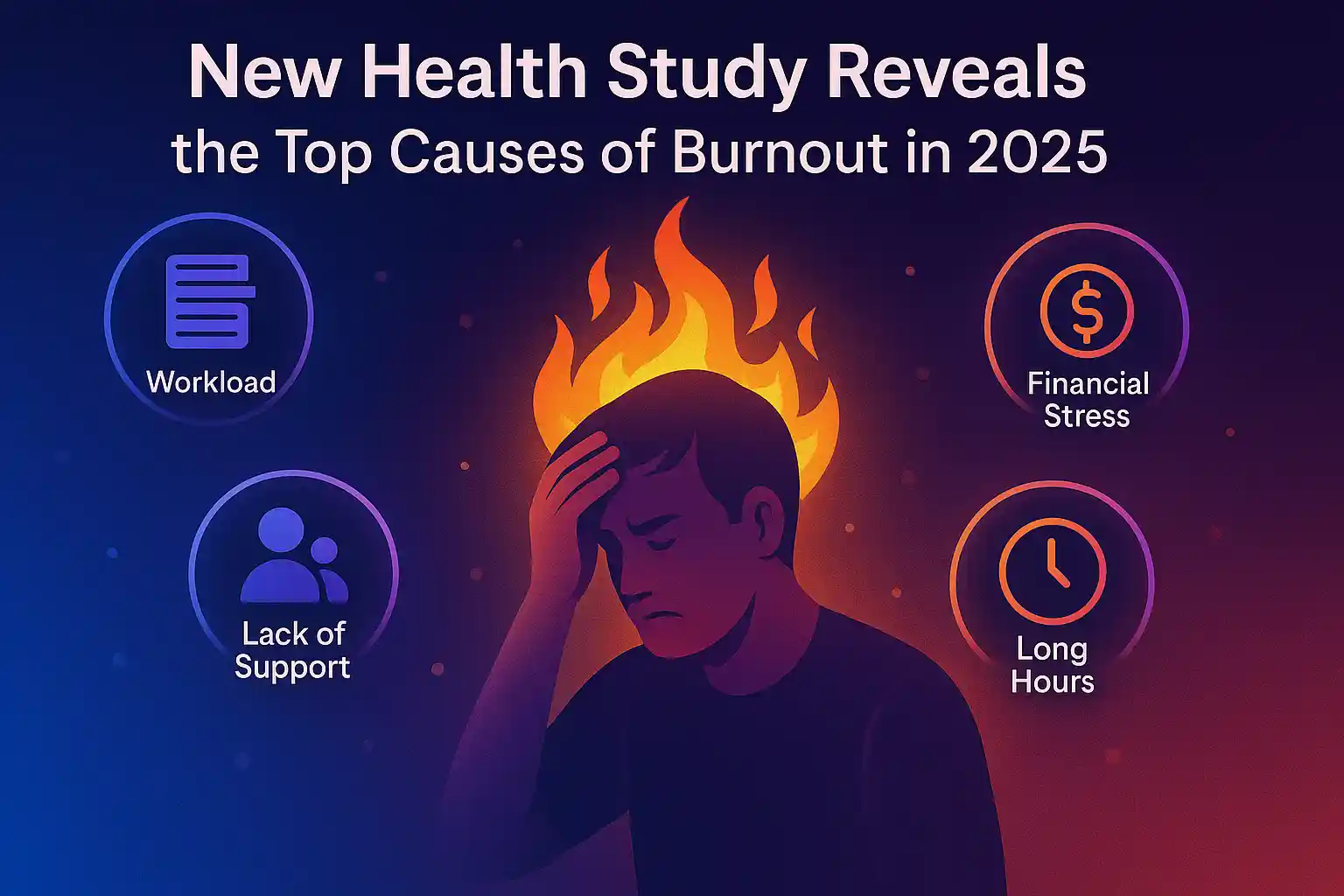
Burnout has become a common issue among entrepreneurs, pushing mental health into the spotlight.
Founders now prioritize:
- Stress management
- Coaching & mentorship
- Work-life integration
- Mental resilience training
Healthy founders build healthier businesses.
7. Customer-Obsessed and Community-Driven Models

Startups in 2025 are shifting from “customer acquisition” to community creation.
Why this matters:
- Communities build trust
- Reduce heavy ad spending
- Improve product feedback
- Increase retention
Brands with strong communities grow organically and sustainably.
What These Trends Mean for Entrepreneurs and Coaches

Leadership coaches, business mentors, and startup advisors must adapt to meet the needs of modern founders.
Coaches should help clients:
- Integrate AI into operations
- Build sustainable, agile business systems
- Improve leadership resilience
- Navigate global team dynamics
- Create scalable digital-first business models
Supporting founders through rapid change will be one of the most valuable coaching skills of the decade.
Conclusion
Entrepreneurship in 2025 is defined by innovation, efficiency, and adaptability. Startups are prioritizing AI, sustainability, lean operations, mental resilience, and community-driven strategies. Founders who embrace these trends early will position themselves for long-term success—while coaches who understand these shifts will play a key role in guiding the next generation of entrepreneurs.