
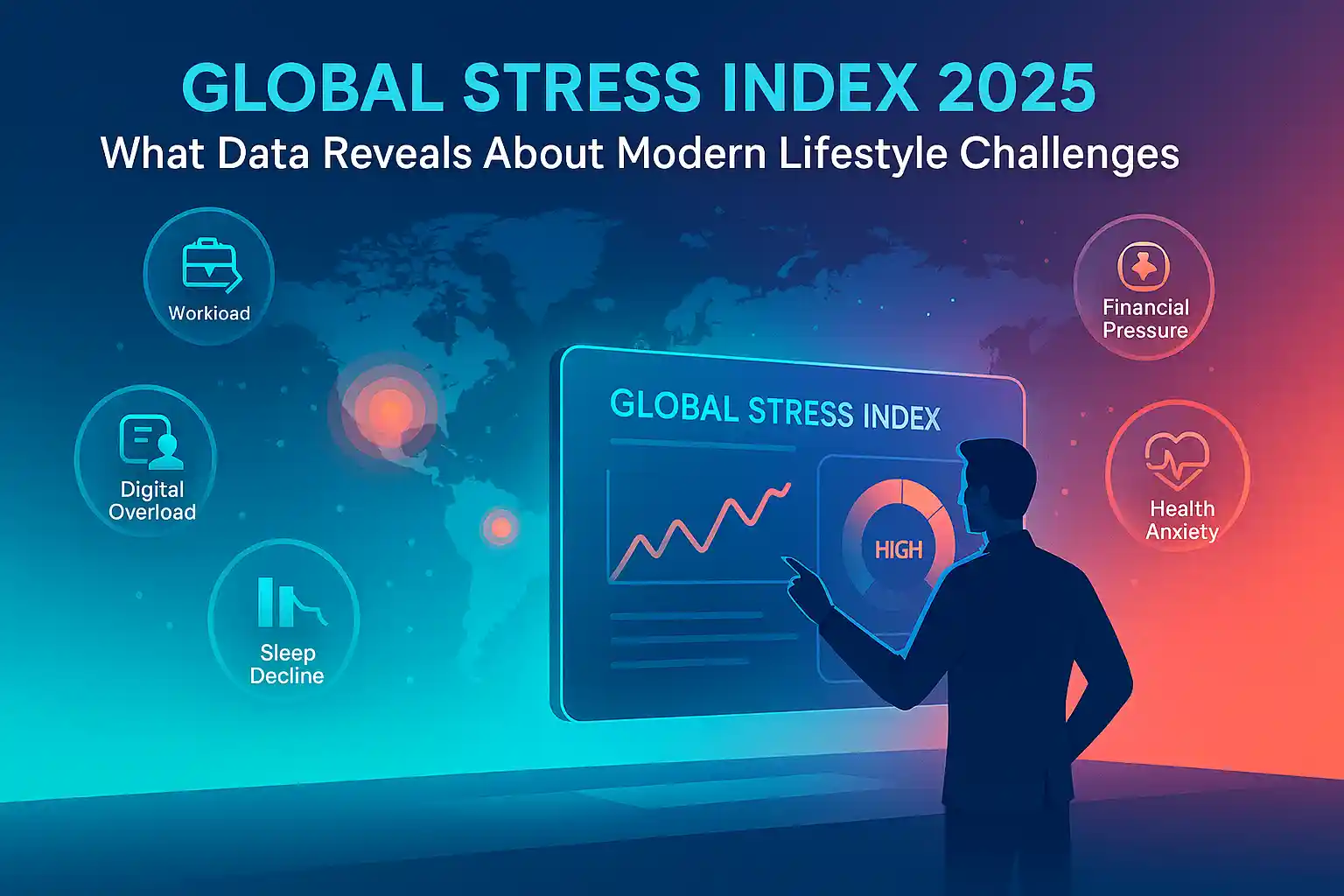


The 2025 Global Stress Index reveals a dramatic rise in stress levels worldwide, driven by changing work patterns, economic uncertainty, digital overload, and emotional fatigue. This year’s data shows that stress is no longer a workplace issue—it’s a full-spectrum lifestyle challenge affecting people across demographics.
Why Global Stress Levels Are at Their Highest in a Decade
The report highlights how modern life demands more cognitive, emotional, and digital engagement than ever before.
Key contributors to rising stress:
- Constant connectivity
- Increasing financial pressure
- Social fragmentation
- Rapid technological change
- Uncertain economic and global conditions
Stress is becoming chronic rather than occasional.
1. Digital Pressure: The Hidden Driver of 2025 Stress Levels
The Index shows that digital overload is the fastest-growing cause of stress worldwide.
Main stress factors include:
- Endless notifications
- Screen fatigue
- Pressure to be available 24/7
- Cognitive overload from multitasking
Digital habits are now shaping emotional and physical well-being more than people realize.
2. Economic Uncertainty Increases Daily Stress
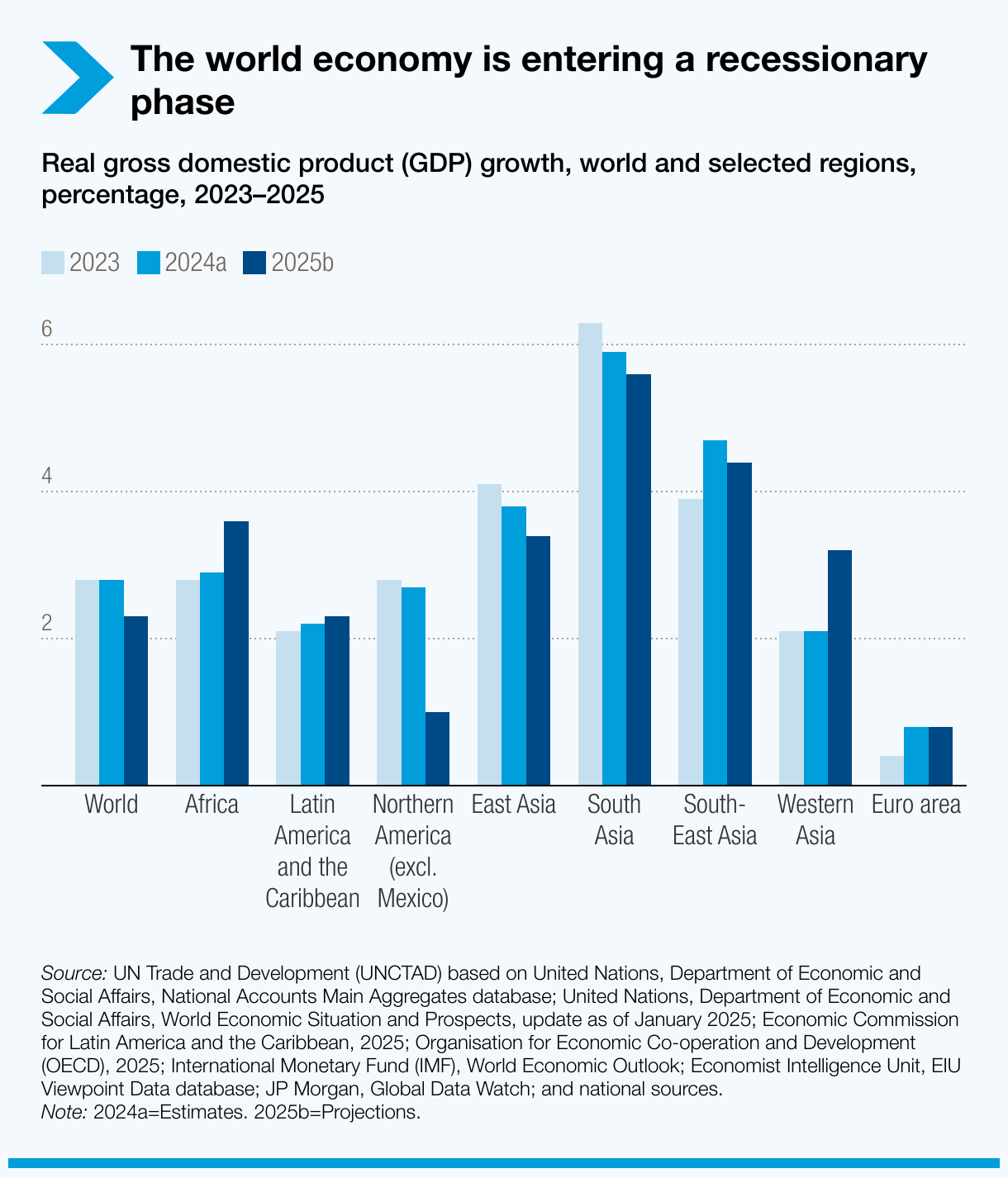
Rising living costs, fluctuating markets, and unpredictable job landscapes are pushing financial anxiety to new highs.
Data shows:
- Higher budgeting stress
- Fear of job instability
- Increased cost-of-living pressure
- Greater workload due to reduced staffing
Financial stress is now a primary lifestyle challenge—not just a professional one.
3. Work-Life Boundaries Continue to Blur in Hybrid Environments

Hybrid and remote work continue to blur lines between personal and professional life, making recovery harder.
Key stress triggers:
- Work hours spilling into evenings
- Lack of defined boundaries
- Difficulty disconnecting mentally
- Increased self-management pressure
The absence of separation is creating long-term emotional fatigue.
4. Emotional Exhaustion From Rapid Change & Global Instability

The pace of global change—from technology to geopolitical shifts—has increased emotional strain.
This leads to:
- Decision fatigue
- Reduced emotional bandwidth
- Chronic worry
- Overthinking and heightened anxiety
People feel like they are constantly adapting, and it’s wearing them down.
5. Social Disconnection & Loneliness Rising Worldwide

Despite increased digital communication, real social connection is declining.
The Index highlights:
- Reduced deep friendships
- Weaker community ties
- Less in-person interaction
- Higher loneliness among young adults
Loneliness is now one of the strongest predictors of stress.
6. Physical Health Declines Linked to Lifestyle Stress
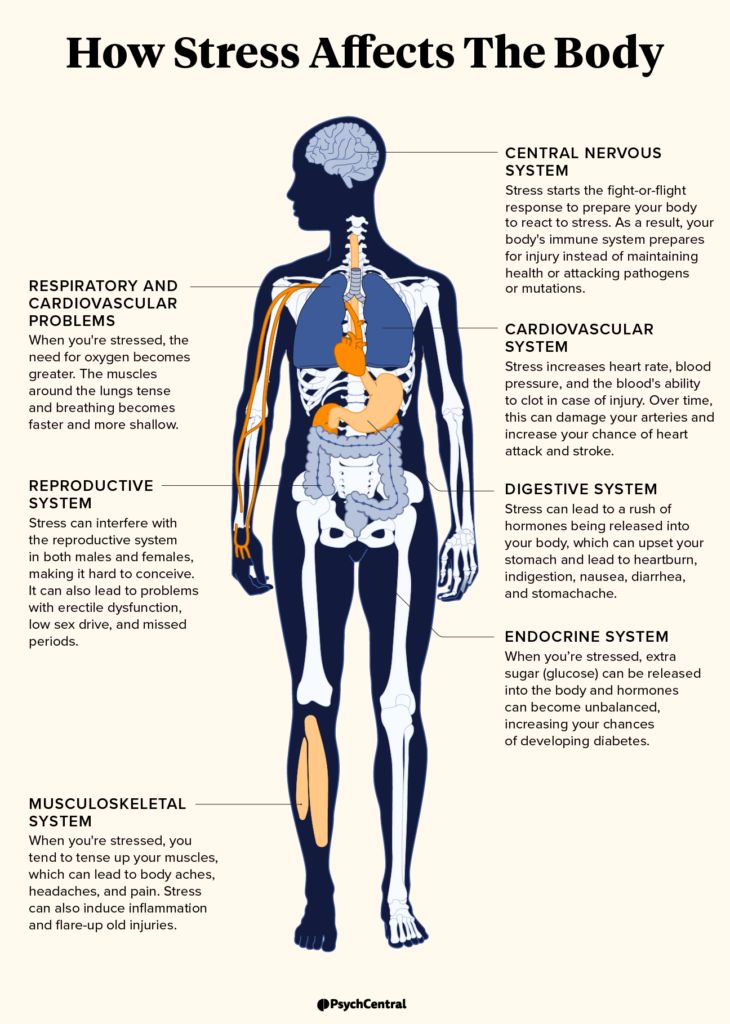
The body is showing the impact of chronic modern stress more clearly than ever.
Common outcomes:
- Increased insomnia
- Poor digestion
- Hormonal imbalances
- Lower immunity
- Fatigue and brain fog
Lifestyle stress now affects nearly every system of the body.
What This Data Means for Coaches & Wellness Professionals

Coaches are uniquely positioned to address rising stress levels with practical tools, guidance, and emotional support.
Coaches should focus on:
- Boundary-setting skills
- Nervous system regulation
- Digital wellness practices
- Emotional resilience training
- Stress management frameworks
- Lifestyle habit restructuring
Clients in 2025 need both emotional and structural solutions.
What Individuals Can Do to Cope With 2025’s Lifestyle Stressors

Effective strategies include:
- Creating tech-free periods during the day
- Prioritizing sleep and recovery
- Setting firm work-life boundaries
- Building deeper social connections
- Practicing breathwork or somatic tools
- Reducing multitasking and mental clutter
Small, consistent changes lead to big stress reduction over time.
Conclusion
The Global Stress Index 2025 paints a clear picture: modern life is more demanding than ever before, and stress has become a global health concern. However, with the right tools, awareness, and support, individuals can build resilience—and coaches can play a powerful role in guiding them.
The challenge is rising, but so is the opportunity for transformation.