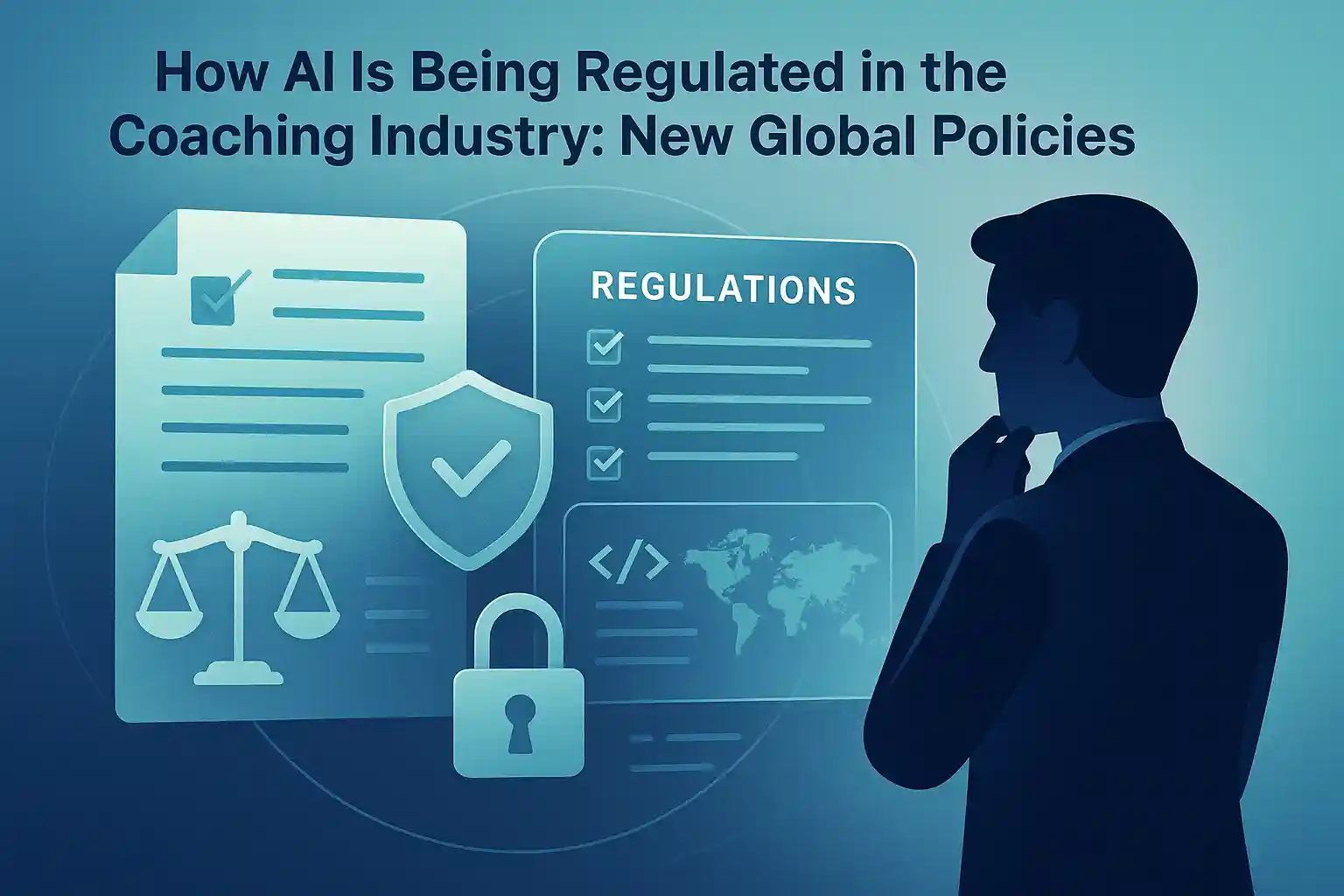

As AI tools become more common in coaching — for scheduling, analytics, personalization, and even session-support — regulators and professional bodies worldwide are starting to define rules and standards to ensure ethical, transparent, and safe usage. This article surveys the emerging global regulatory landscape affecting AI in coaching, what coaches must know, and how the rules are likely to evolve.
Why AI Regulation Matters for Coaching

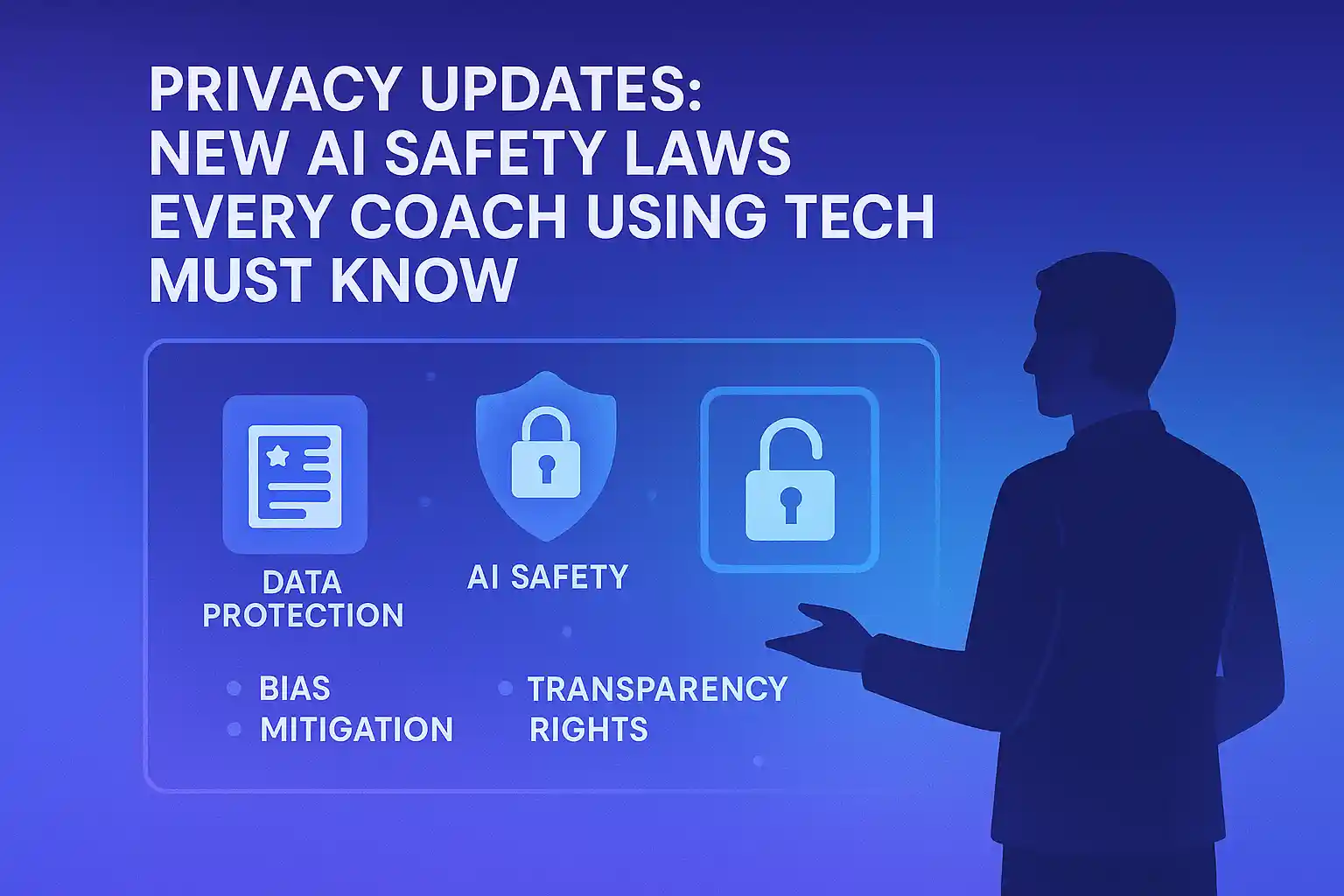
AI-based tools in coaching can offer powerful support: personalized insights, automated scheduling or reminders, data-driven client tracking, and even AI-facilitated coaching prompts. But without oversight, these tools risk:
- Breaching data privacy or confidentiality
- Reinforcing bias or unfairness in recommendations
- Producing opaque or unexplainable AI decisions
- Undermining client trust and professional integrity
Because coaching often deals with sensitive personal, psychological, or performance-related information, applying broad AI-regulation principles becomes especially important when AI enters the coaching process.
Global Trends in AI Regulation (Relevant to Coaching Use-cases)
🌐 International & Cross-Sector AI Governance Efforts
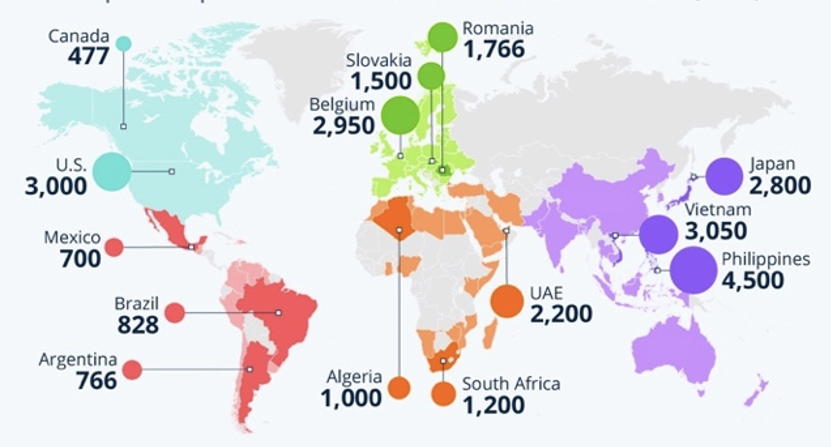
- Many jurisdictions now operate under risk-based AI regulation frameworks, where the level of regulation depends on how “high-risk” the AI application is (e.g. health, mental wellness, decision-making). EY+2keymakr.com+2
- Some global treaties and agreements (e.g. international human-rights–oriented AI frameworks) emphasize transparency, accountability, fairness, and data protection for AI systems — which applies to coaching tools too. Wikipedia+1
- Regulators increasingly demand audits, risk assessments, and documentation when AI is used in “sensitive contexts,” which may include coaching — especially when coaching intersects with mental health, personal data, or wellness. ScienceDirect+2EY+2
🏛 Sector-Specific Regulation — Health & Well-being AI Rules
- In jurisdictions where coaching overlaps with health, wellness or mental-health support (digital health coaching, wellness coaching), AI rules for healthcare and digital-health tools often apply. These include guidelines about data privacy, fairness, transparency, and user consent. PMC+2ICLG Business Reports+2
- As these regulations evolve, coaching services that use AI for health-related coaching may come under stricter scrutiny or require compliance with digital-health laws.
How Professional Coaching Bodies Are Responding to AI
- Some leading coaching organizations are already issuing guidelines for AI use in coaching. They emphasize that AI should assist, not replace, human coaches — maintaining human oversight, consent, confidentiality, and ethical standards. ICF
- Best-practice recommendations include: transparency about AI use to clients; ensuring data privacy; using AI only as a support tool rather than a decision-maker; and continuous human involvement to ensure empathy, nuance, and contextual judgement. ICF+1
These moves show the industry is proactively preparing for regulatory compliance — even before governments mandate laws specific to coaching + AI.
What Coaches Should Do Right Now to Stay Compliant & Ethical

If you’re a coach integrating AI tools (for scheduling, chatbots, analytics, client tracking, wellness prompts), consider implementing the following practices:
- ✔ Clearly disclose to clients when you’re using AI tools (for notes, reminders, insights, etc.).
- ✔ Ensure client data is stored securely, with consent and privacy safeguards (especially if storing sensitive or health-related info).
- ✔ Use AI as a support — not a replacement for human judgement and empathy.
- ✔ Maintain transparency and offer clients the option to opt-out of AI features.
- ✔ Keep records of how AI is used, potentially run periodic audits, and stay updated on evolving regulations.
What to Expect in the Near Future (2025–2028)
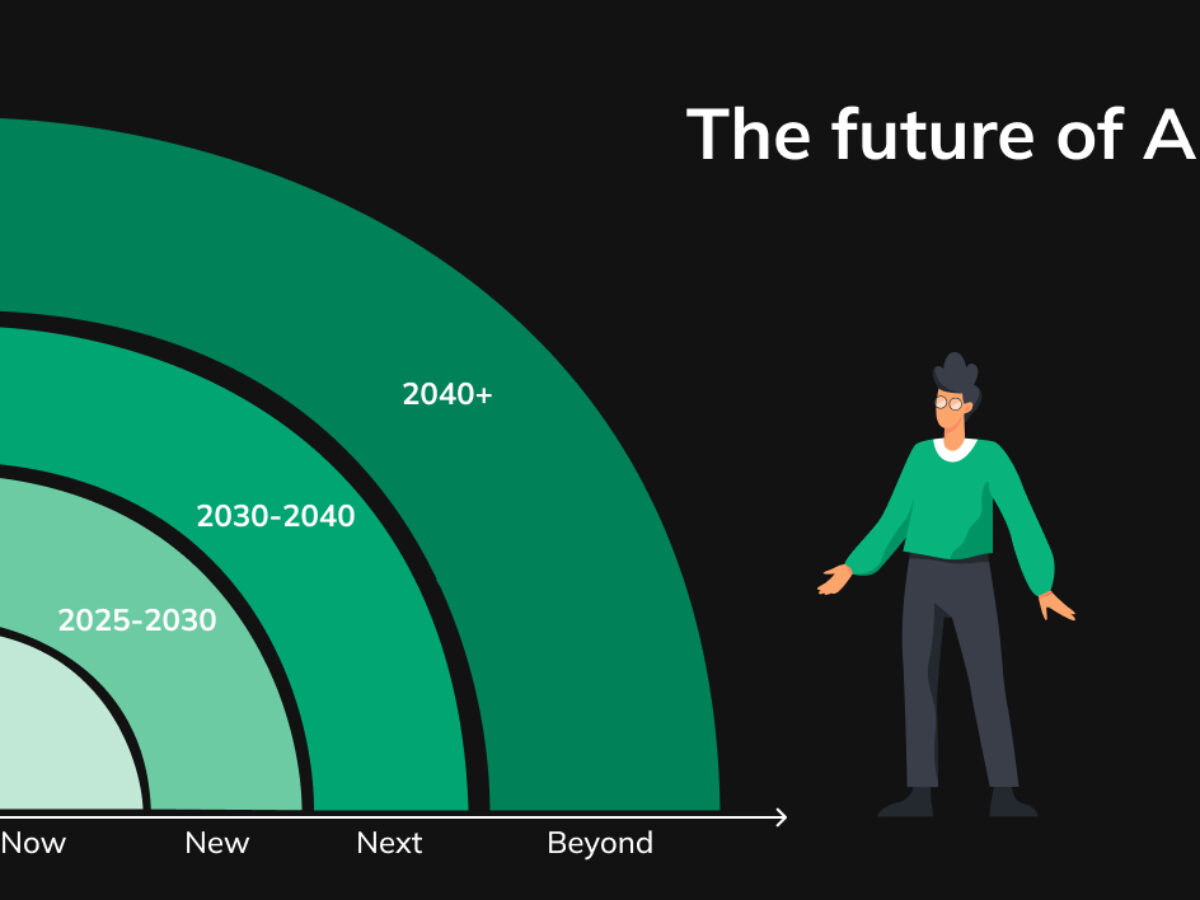
- 📄 Expansion of national and international AI laws, many of which will reach across sectors — making coaching-AI tools explicitly subject to regulation.
- 🏥 Greater regulation overlap where coaching intersects with health, wellness, or therapy, especially in regions with strict digital-health laws.
- 🔎 More accountability, certification and auditing requirements for AI tools and platforms — requiring coaches and platform-providers to meet compliance standards.
- 🤝 Increasing role of professional coaching bodies and associations in defining ethical standards for AI use, offering certifications or accreditations for compliant practice.
- 🌐 Growing demand for global compliance standards, particularly for coaches working with international clients — which may shape cross-border AI regulation and data-transfer policies.
Conclusion
AI is transforming coaching — making services more scalable, personalized, and efficient. But with great power comes responsibility. As governments and global institutions roll out AI regulations, the coaching industry must adapt fast.
For coaches and coaching platforms, the next few years will be about balancing innovation with ethics, embracing transparency, and prioritizing human-centered coaching even when using advanced tools.