

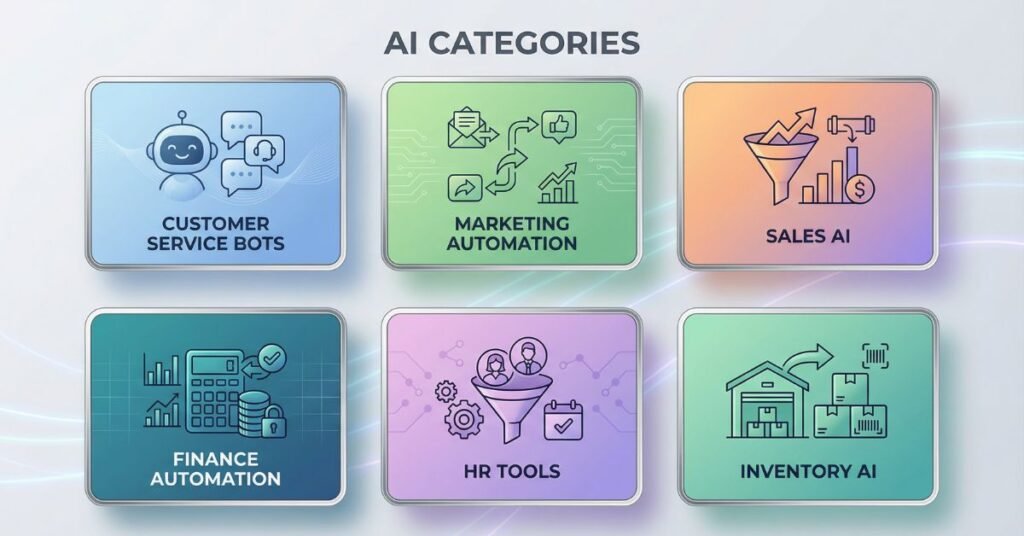
Automation is no longer just for large enterprises—small coaching businesses are now leveraging advanced technology to save time, improve client outcomes, and scale without hiring big teams. In 2025, automation tools are becoming easier, more affordable, and specifically designed for coaches.
Why Automation Is Becoming Essential for Coaches in 2025
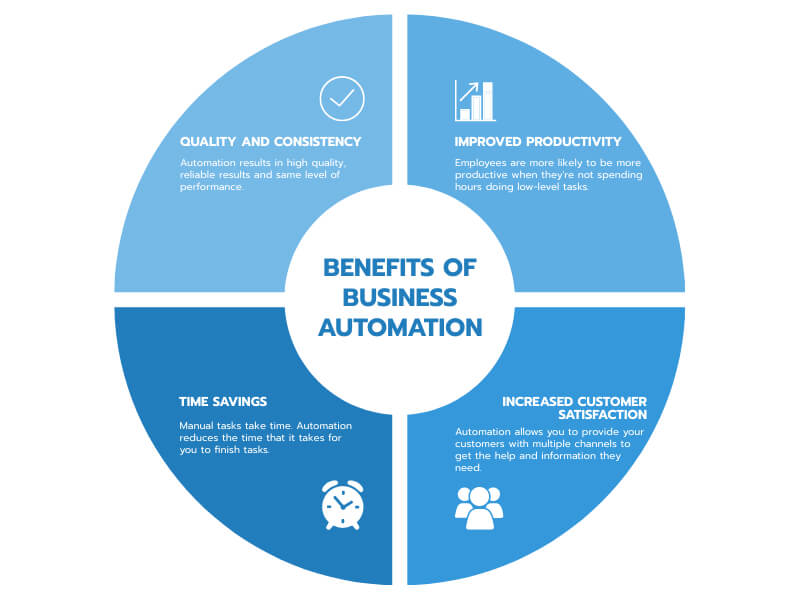
Small coaching businesses face increasing pressure to deliver faster results, maintain consistent communication, and build a strong online presence. Automation solves many of these challenges by handling repetitive tasks and streamlining workflows.
Coaches benefit through:
- Reduced administrative workload
- More consistent client engagement
- Improved personalization at scale
- Increased revenue opportunities
- Better tracking of client progress
1. AI-Powered Client Management Systems

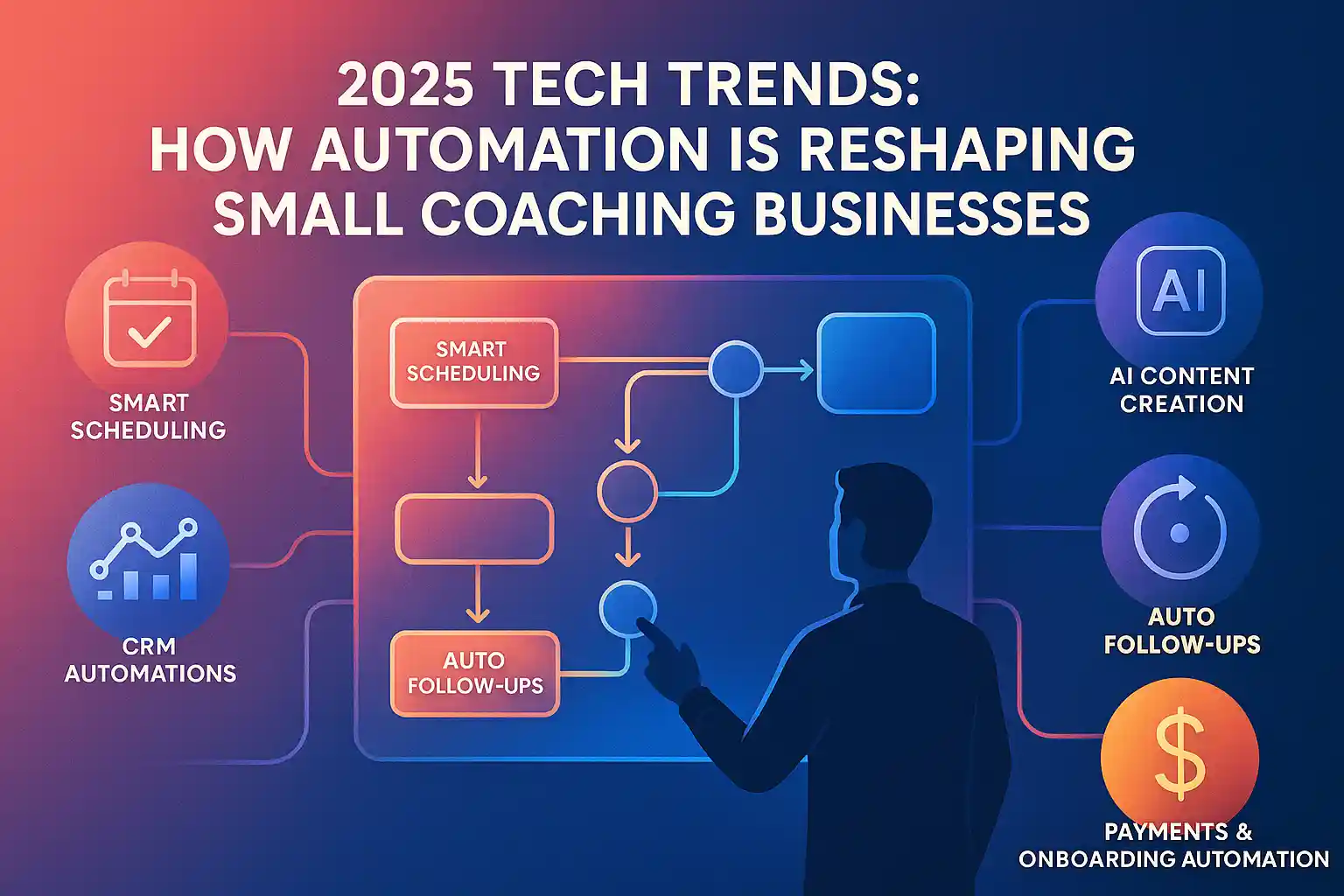
Coaches now use automated systems to onboard clients, schedule sessions, send reminders, and manage notes—all without manual effort.
Key advantages:
- Automated session follow-ups
- Intelligent scheduling tools
- Personalized coaching reminders
- Centralized client dashboards
This frees up coaches to focus on deeper client transformation rather than admin tasks.
2. Automated Content Creation & Marketing Workflows
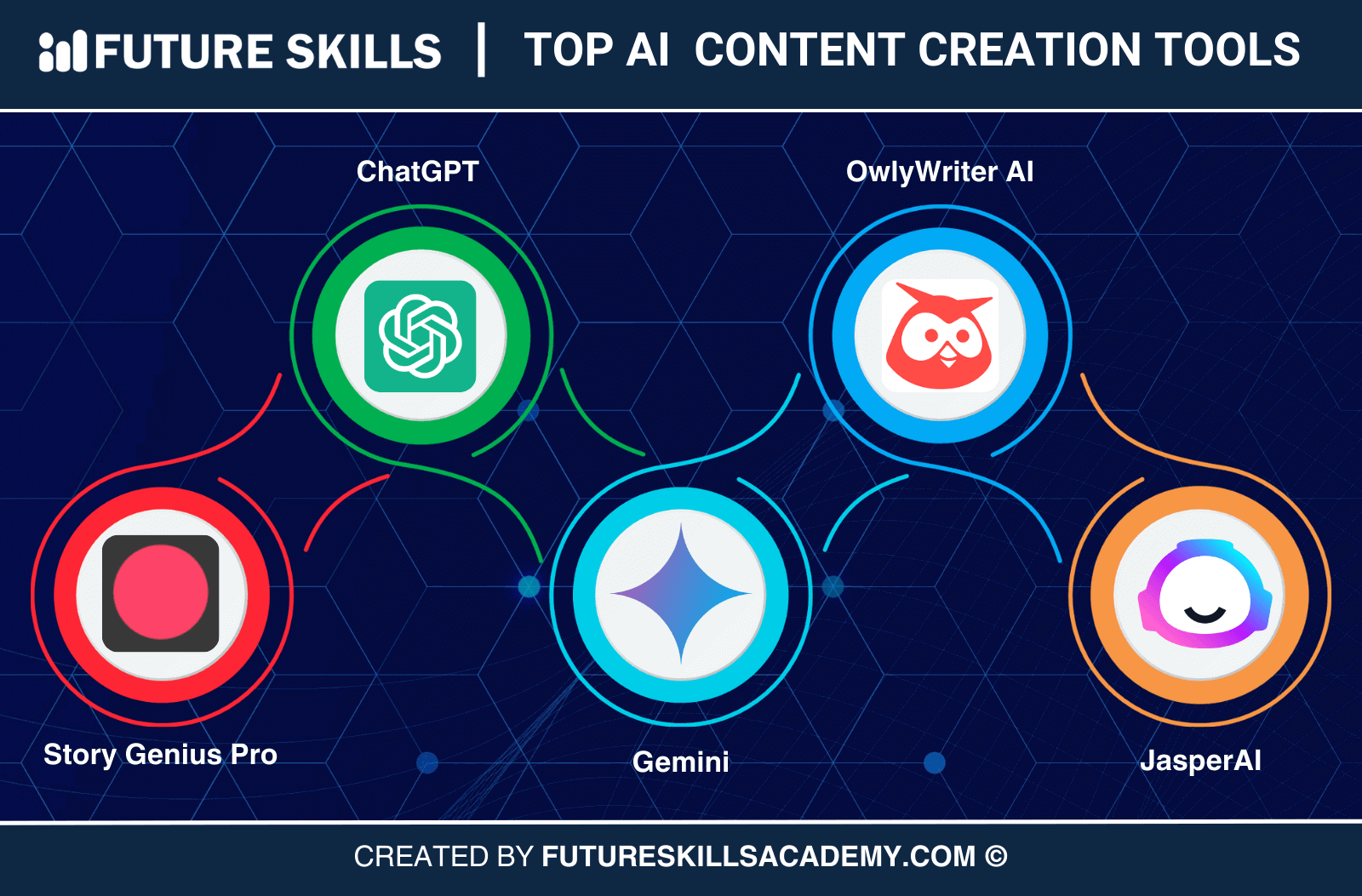
Marketing is one of the biggest challenges for small coaching businesses. Automation tools now help coaches produce high-quality content quickly.
Coaches use automation to:
- Write newsletters, posts, and scripts
- Create video ideas, captions, and articles
- Build content calendars
- Automate social media posting
This helps coaches stay visible online without spending hours on content creation.
3. Chatbots & Micro-Coaching Assistants
AI chatbots now allow clients to receive support between sessions, creating a more continuous coaching experience.
These tools can:
- Answer common questions
- Offer mindset or productivity prompts
- Provide progress check-ins
- Deliver personalized micro-coaching
Coaches can now offer 24/7 support without being online 24/7.
4. Automation in Course & Program Creation
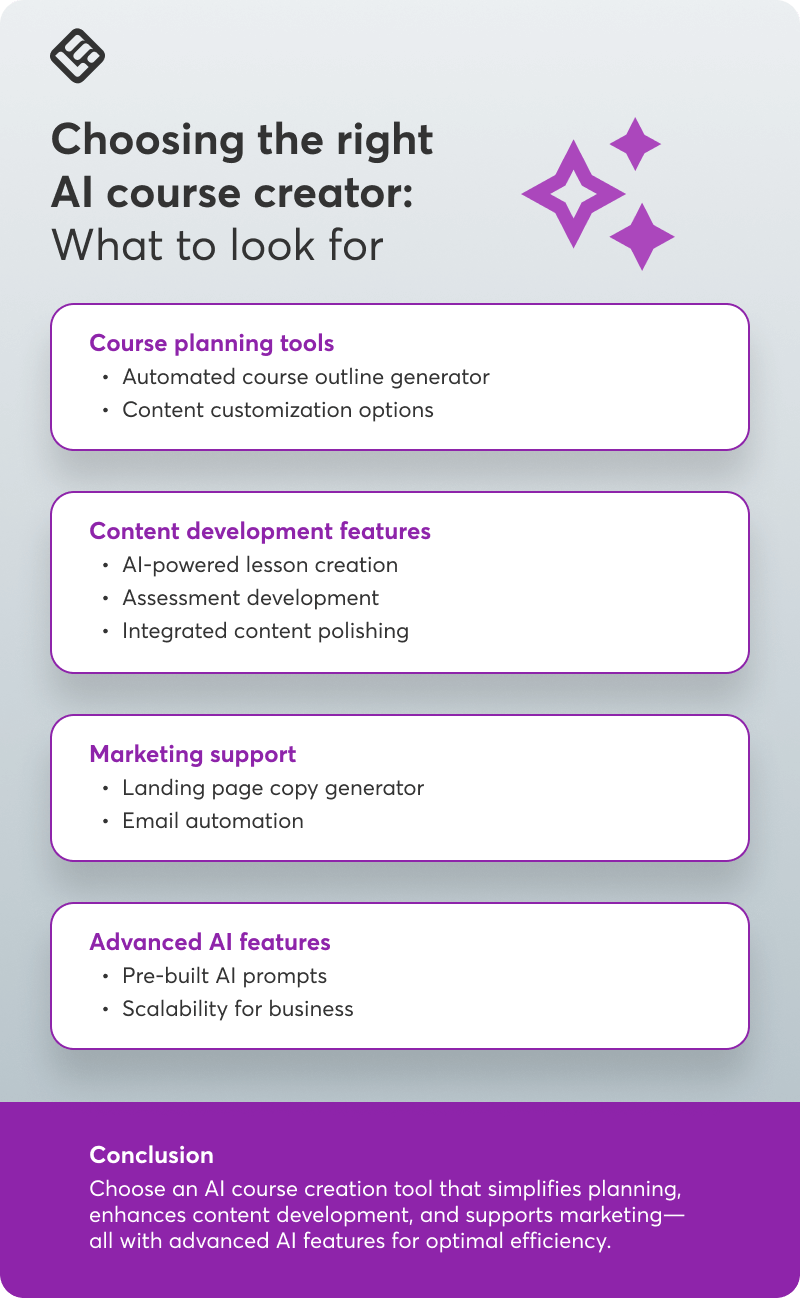
Turning coaching frameworks into digital products has become significantly easier.
Automation now helps coaches:
- Outline courses automatically
- Generate lessons and worksheets
- Build membership content
- Design structured training programs
This allows small coaching businesses to scale beyond one-on-one sessions.
5. AI-Driven Analytics for Client Progress Tracking
Data-driven coaching is becoming a major competitive advantage.
Analytics tools offer:
- Behavioral insights
- Engagement patterns
- Goal progress visualization
- Personalized recommendations
This helps coaches tailor their approach for each client, improving results and retention.
6. Automated Sales Funnels & Lead Nurturing

With automation, coaches can attract, nurture, and convert clients more effectively.
Automated systems manage:
- Lead capture
- Email sequences
- Webinar reminders
- Follow-up messaging
Even small coaching businesses can operate like well-structured digital brands.
What This Means for Small Coaching Businesses
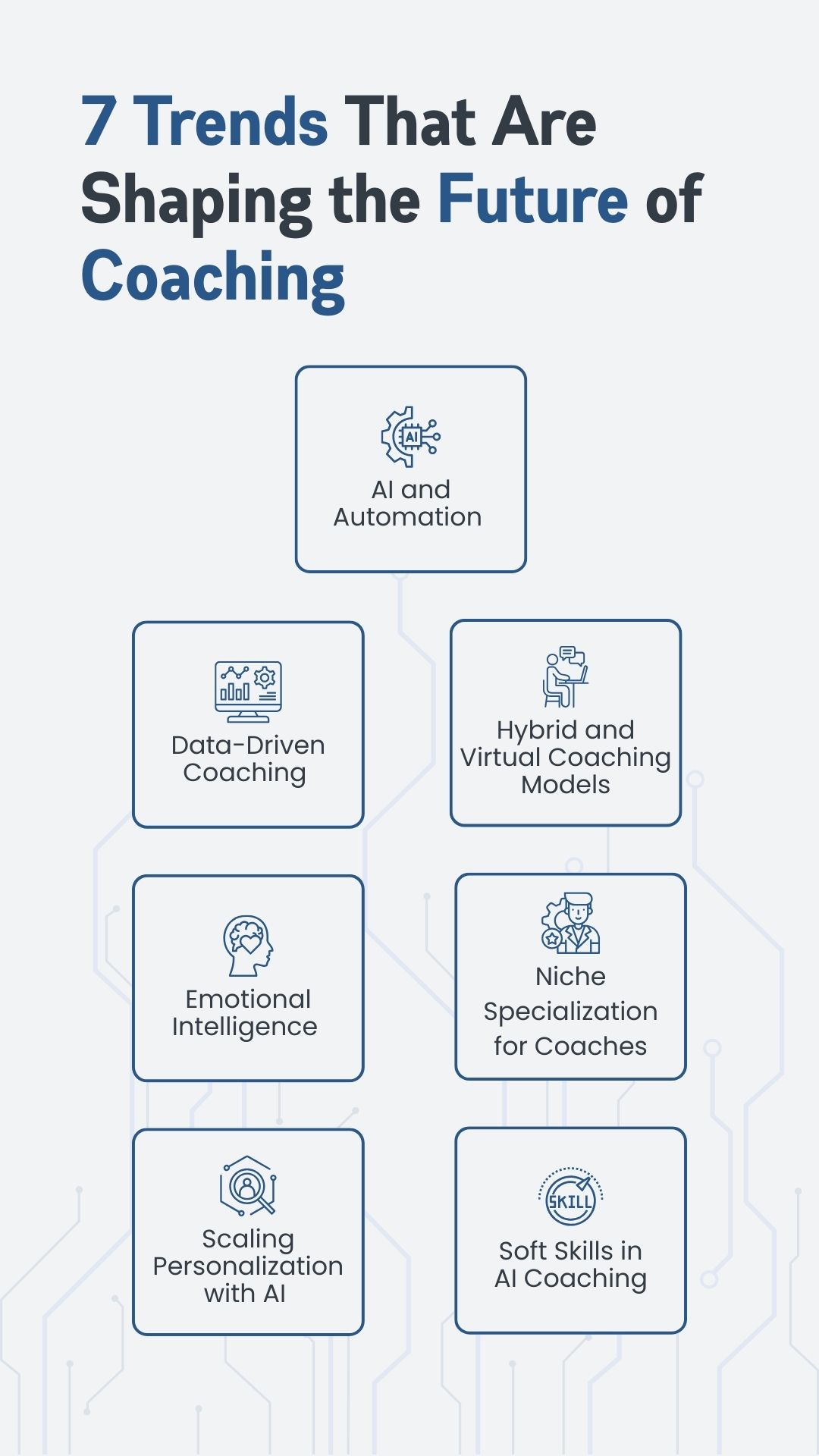
Automation empowers coaches to:
- Serve more clients efficiently
- Reduce burnout
- Increase revenue without increasing hours
- Deliver consistent and elevated client experiences
- Build scalable business models beyond 1:1 coaching
Coaches who adopt automation gain a major advantage in the competitive 2025 landscape.
What Coaches Should Do Now
To stay ahead, coaches should:
- Automate administrative tasks first
- Introduce micro-coaching automations for clients
- Use AI for content planning and creation
- Convert signature frameworks into automated programs
- Use analytics to refine sessions and strategies
The key is to automate systems, not the human heart of coaching.
Conclusion
2025 is the year small coaching businesses become more efficient, more scalable, and more profitable through automation. Coaches who embrace technology can create rich client experiences, streamline operations, and free themselves to focus on transformational work.
Automation isn’t replacing coaches—it’s empowering them.