



High-performing teams are the backbone of successful organizations. But even top talent needs guidance, alignment, and continuous improvement. The challenge? Coaching teams effectively without slipping into micromanagement.
Micromanaging destroys creativity, lowers morale, and leads to burnout. Coaching, on the other hand, empowers teams to solve problems, innovate, and grow autonomously.
In this article, you’ll learn how to coach high-performing teams using modern leadership principles — without controlling every step.
🔍 Why Micromanagement Fails — Even for High Performers


Micromanagement signals a lack of trust. High-performing teams thrive when they feel:
- Autonomous
- Trusted
- Empowered
- Challenged
- Connected to a mission
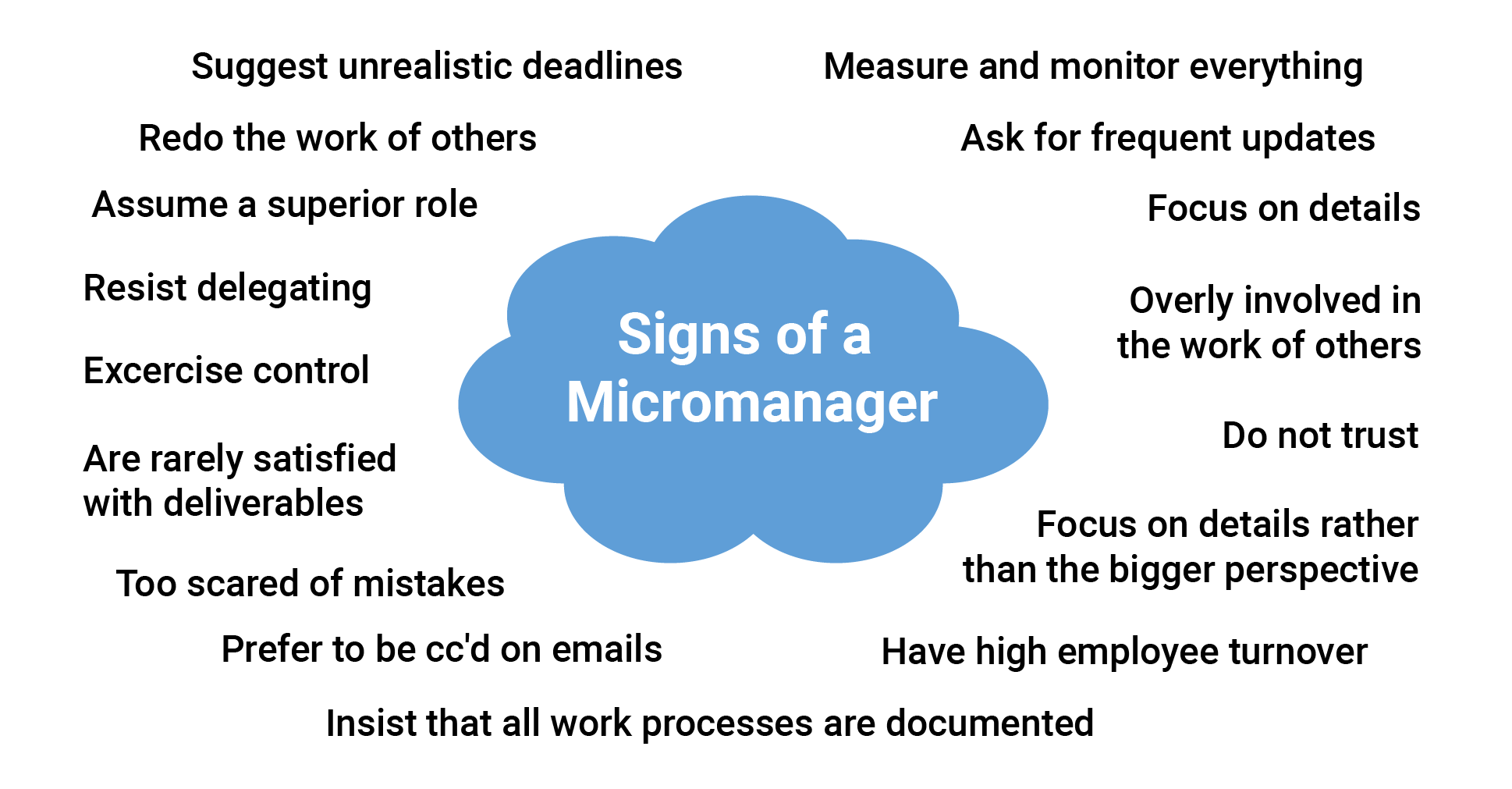
Micromanaging leads to:
- Lower motivation
- Resistance and disengagement
- Reduced innovation
- Slow decision-making
- High turnover
Coaching solves these problems by shifting the leader’s role from controller to guide.
💡 What Coaching Looks Like (vs. Micromanaging)


Micromanaging Behavior
❌ Constantly checking work
❌ Giving step-by-step instructions
❌ Not letting team members take ownership
❌ Solving every problem for them
❌ Monitoring instead of mentoring
Coaching Behavior
✔ Asking empowering questions
✔ Removing obstacles instead of controlling processes
✔ Focusing on outcomes, not methods
✔ Encouraging new ideas
✔ Facilitating team development
Coaching is about enabling self-leadership — not obedience.
🎯 Principle 1: Lead With Clear Outcomes, Not Instructions

High-performing teams don’t need step-by-step directions. They need:
- Clear expectations
- Defined success metrics
- Desired outcomes
Shift from “Do this…” to “Here’s the outcome we need.”
Instead of managing tasks, lead with:
- KPIs
- Deliverables
- Deadlines
- Quality standards
This creates freedom with accountability.
🧭 Principle 2: Build Trust Through Psychological Safety

Teams perform best when they feel safe to:
- Speak up
- Experiment
- Admit mistakes
- Offer alternative ideas
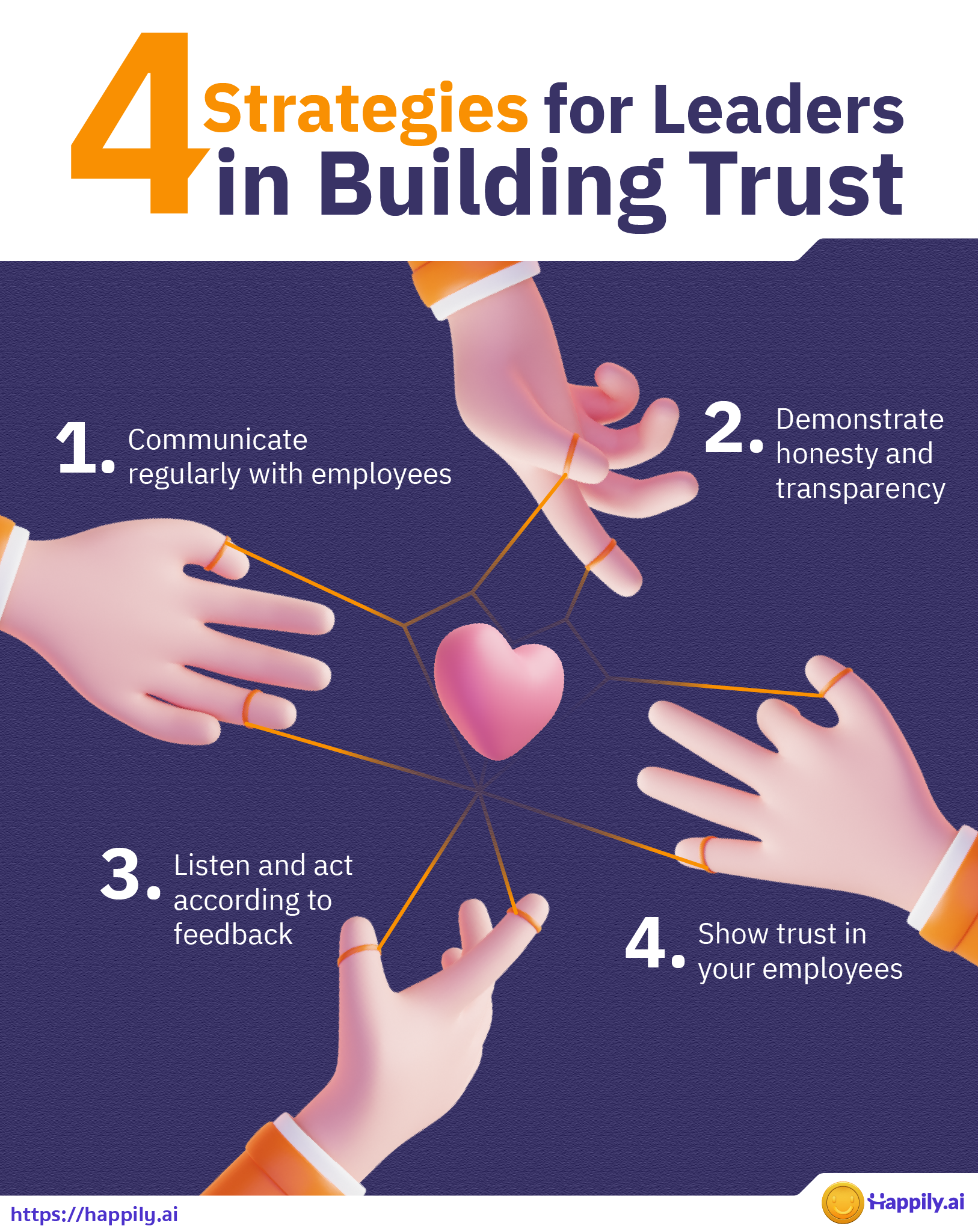
Coaching tools to build trust:
- Active listening
- Nonjudgmental feedback
- Open-door communication
- Transparent decision-making
A trusted team requires zero micromanagement.
🤝 Principle 3: Use Empowering Questions Instead of Giving Orders



Great coaches replace commands with questions such as:
- “What options do you see here?”
- “What’s your ideal solution?”
- “What support do you need from me?”
- “How would you approach this differently?”
This improves:
- Critical thinking
- Ownership
- Innovation
- Confidence
Questions ≠ control.
Questions = empowerment.
📚 Principle 4: Create Systems That Support Autonomy

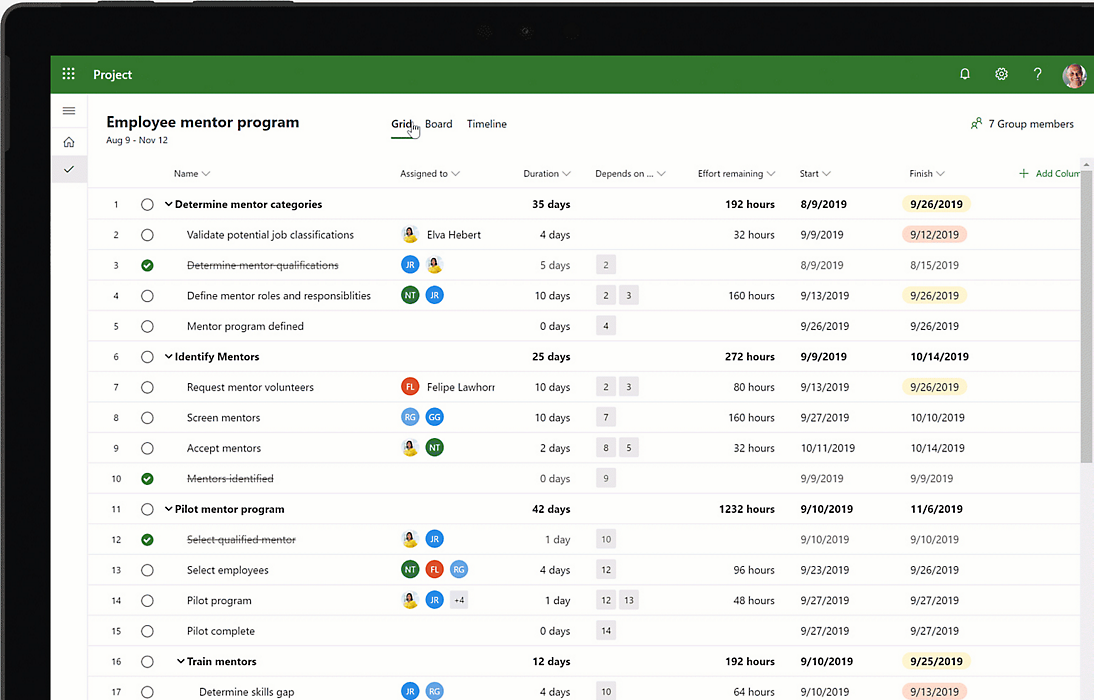

High-performing teams thrive with clear systems, such as:
- SOPs
- Project management tools
- Task ownership frameworks
- Weekly stand-ups
- Feedback loops
The better the system → the less micromanagement required.
Systems turn coaching into self-sustaining performance.
📊 Principle 5: Focus on Performance Conversations, Not Control



Shift from monitoring tasks to:
- Weekly check-ins
- Progress reviews
- Coaching moments
- Milestone discussions
Use the GROW Coaching Model:
- Goal – What do you want to achieve?
- Reality – Where are you now?
- Options – What could you do next?
- Way Forward – What will you commit to?
This approach fosters independence, not dependence.
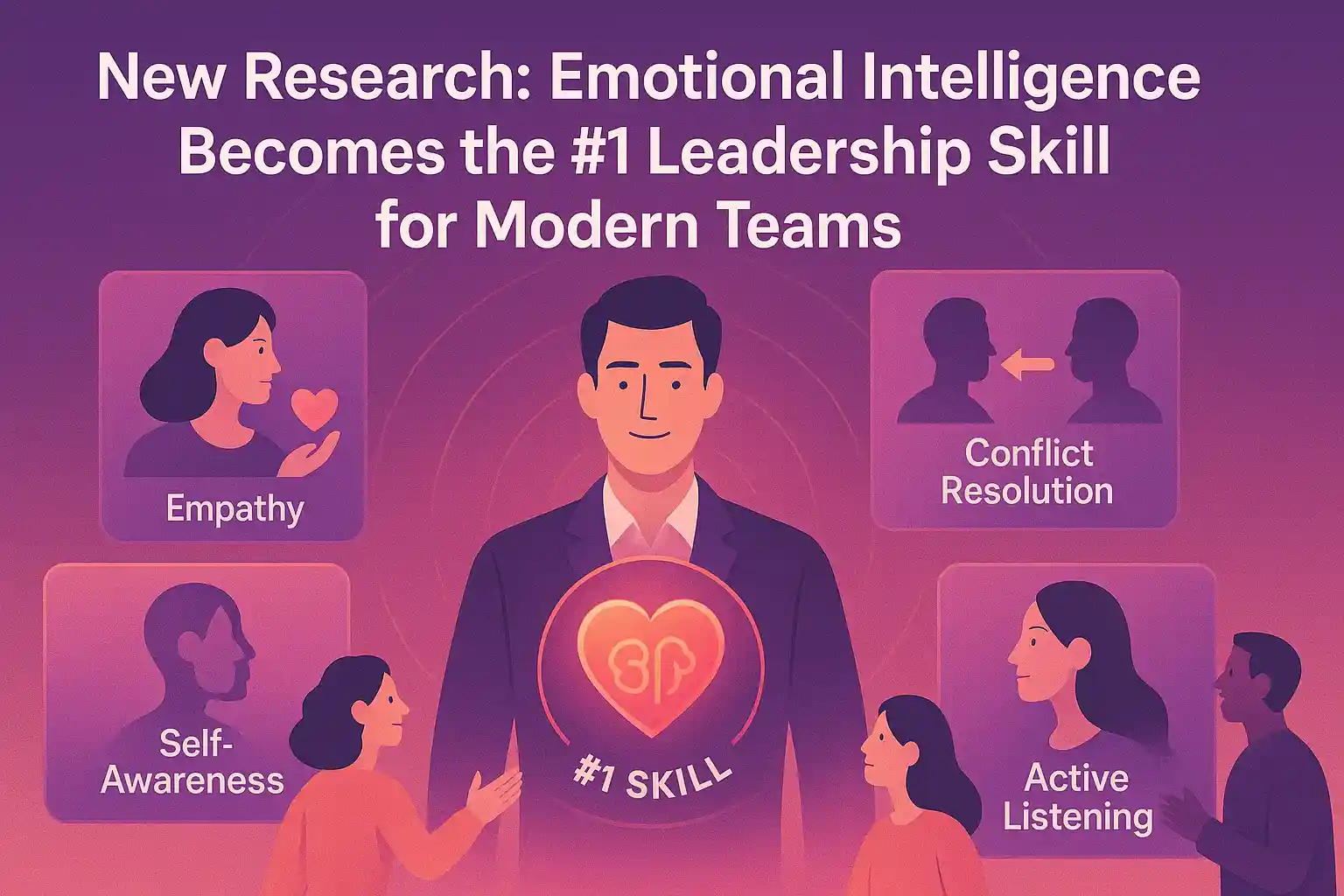
🧠 Principle 6: Master Emotional Intelligence (EQ)
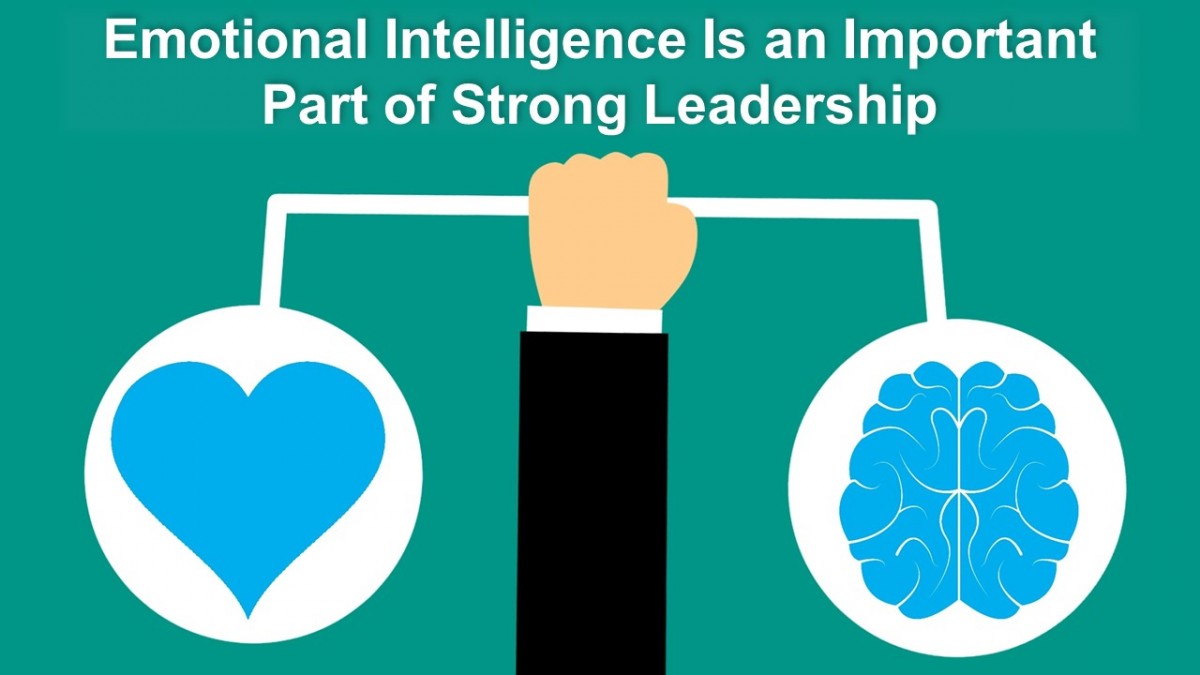


To coach without micromanaging, leaders must cultivate:
- Self-awareness
- Self-regulation
- Empathy
- Social awareness
- Relationship skills
EQ-driven coaching helps teams:
- Stay motivated
- Navigate stress
- Communicate effectively
- Work cohesively
Micromanagers focus on control.
Coaches focus on connection.
🚀 Principle 7: Encourage Ownership & Decision-Making

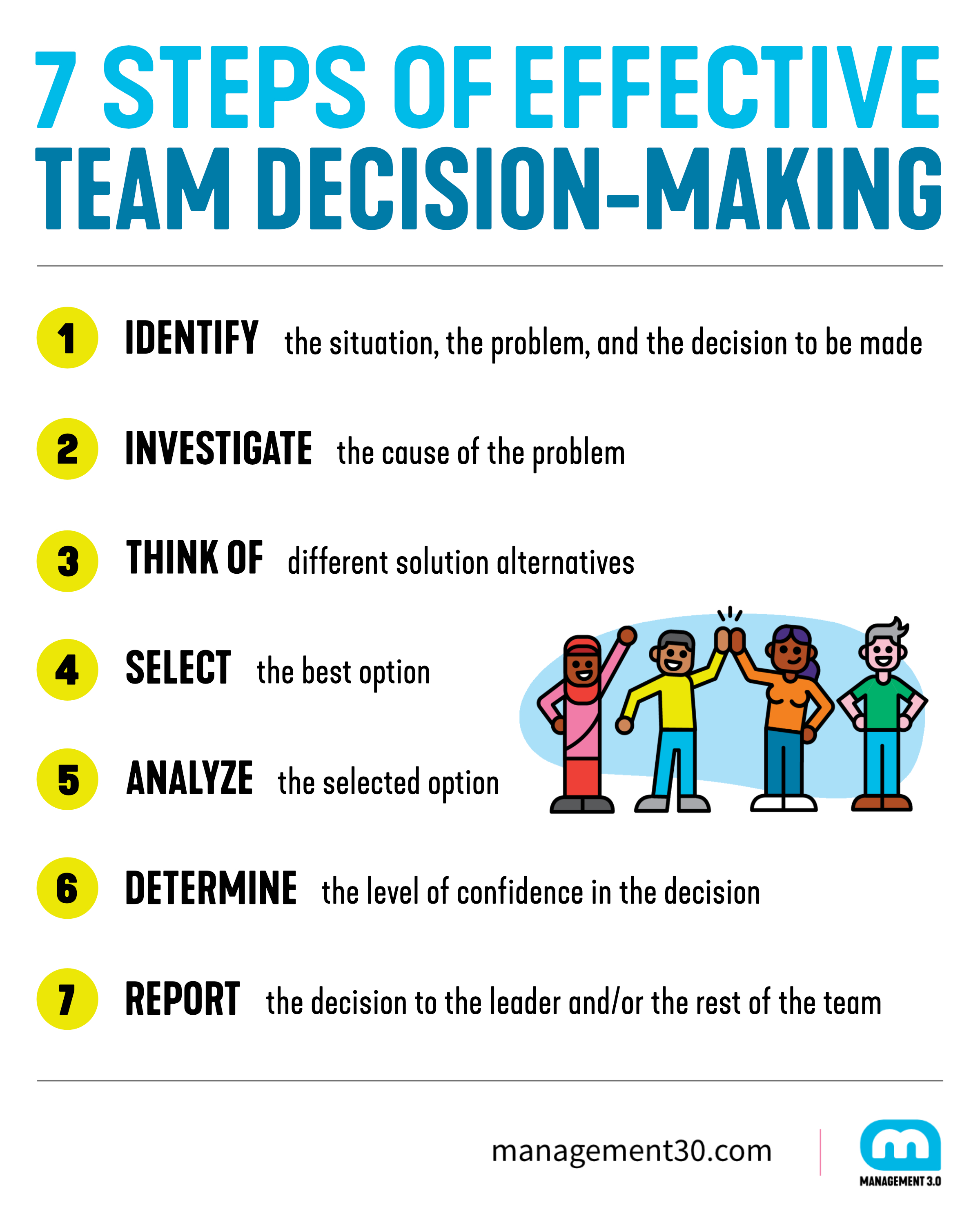

High-performing teams want autonomy.
Coaches build ownership by:
- Delegating outcomes, not tasks
- Allowing team-led decision-making
- Celebrating initiative
- Supporting failures as learning
Ownership increases:
- Motivation
- Accountability
- Productivity
- Innovation
✨ Principle 8: Shift From Managing People to Enabling Leaders



The ultimate goal of coaching is to create leaders at every level, not followers.
You know coaching is working when team members:
- Solve problems independently
- Support each other
- Lead projects
- Mentor peers
- Innovate without permission
Your job is to remove bottlenecks — not become one.
🏆 Final Thoughts: Coaching High-Performing Teams Is About Trust + Empowerment

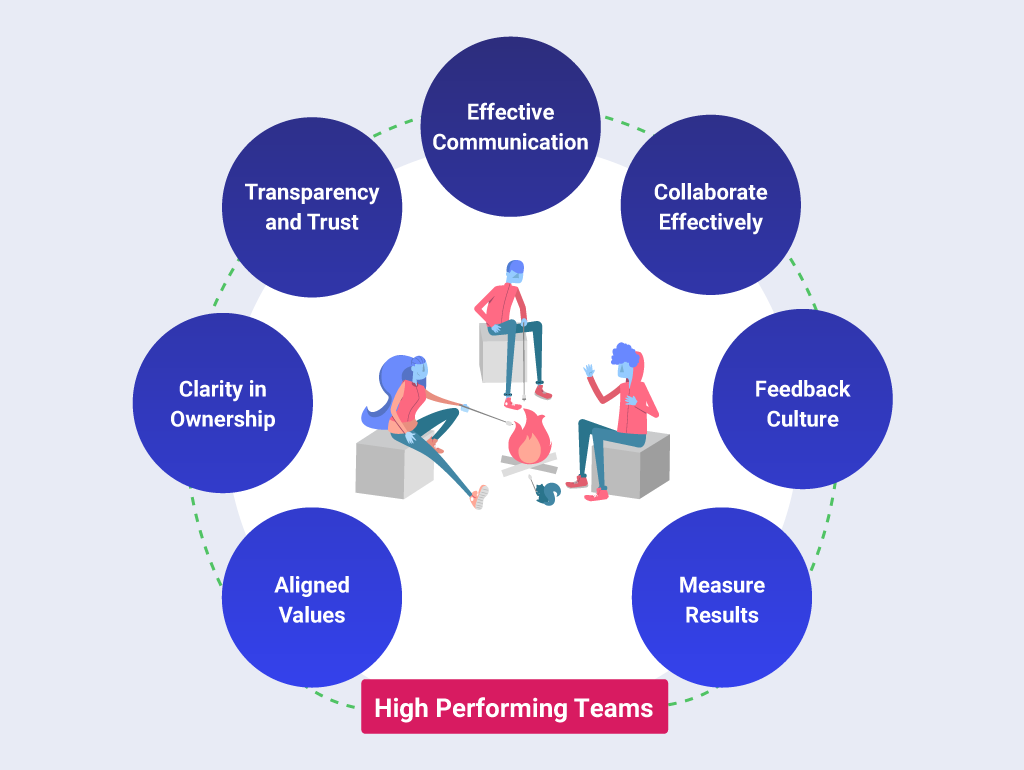
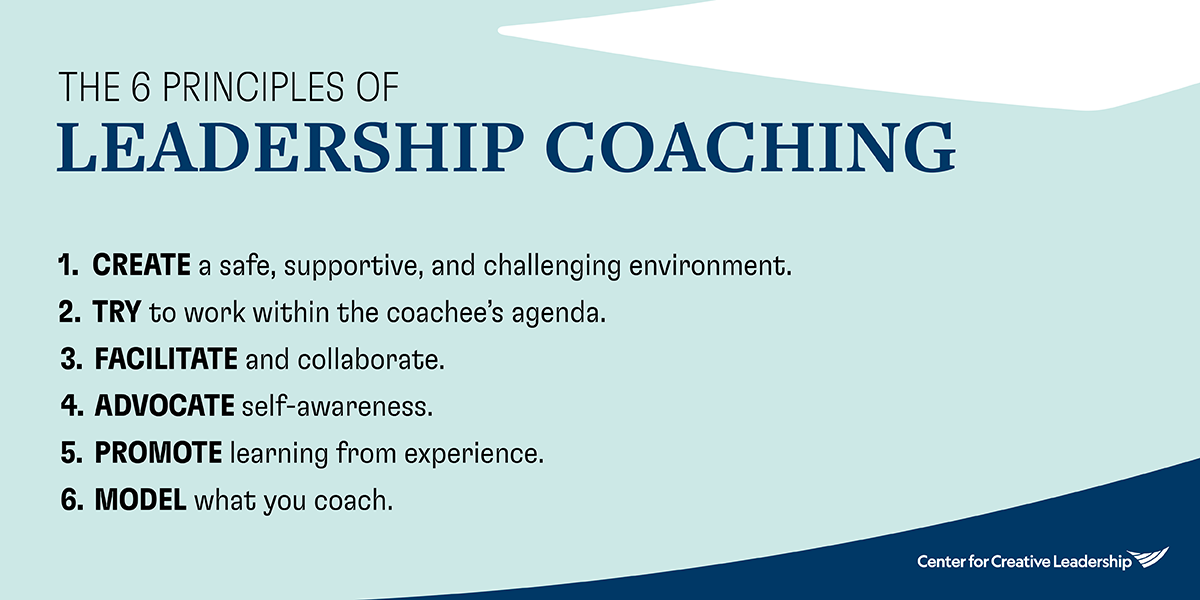
High-performing teams don’t need micromanagers — they need mentors, facilitators, and strategic leaders.
When you:
- Set clear outcomes
- Build trust
- Ask powerful questions
- Create strong systems
- Develop EQ
- Encourage ownership
- Empower future leaders
…your team becomes unstoppable.
Coaching, not controlling, is the secret to sustainable high performance.