


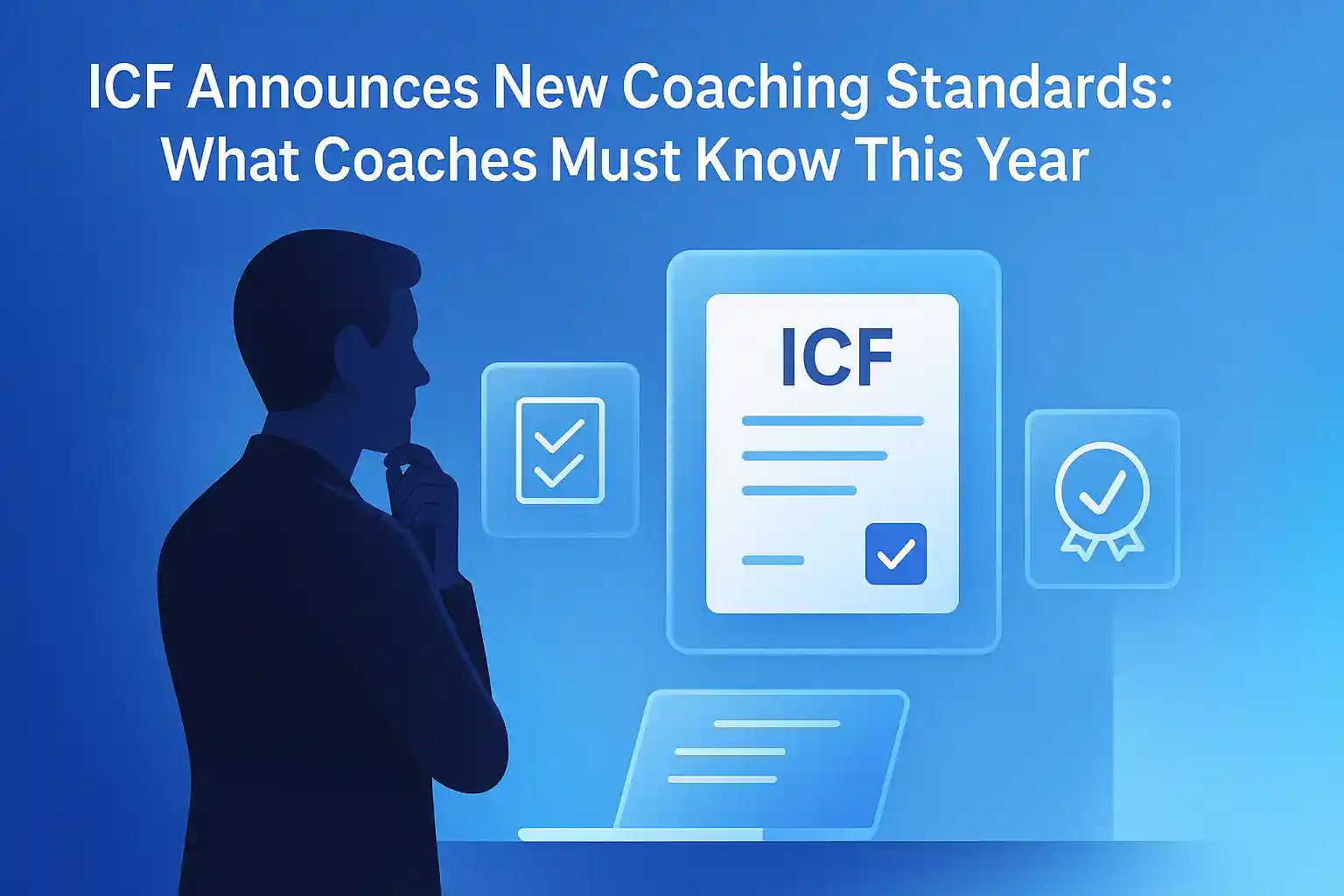


The International Coaching Federation (ICF) has introduced important updates to its global coaching standards this year—changes that affect credentialing, ethics, core competencies, and coaching education worldwide. Every coach, whether certified or not, needs to understand how these updates impact practice, compliance, and client expectations.
What the New ICF Standards Mean for the Coaching Profession

ICF’s newly updated standards aim to strengthen:
- Professional credibility
- Ethical accountability
- Global consistency in coach training
- Quality of coaching engagements and outcomes
These changes reflect the rapid growth of the coaching industry, the rise of AI, and increased demand for measurable coaching results.
1. Updated ICF Core Competencies
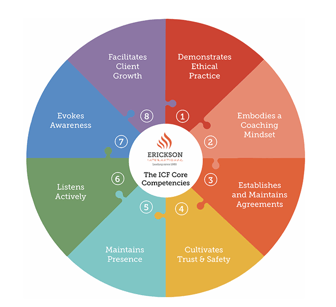
ICF has refined its core competencies to emphasize:
A. Deepened Coaching Presence
More focus on emotional intelligence, attunement, and coaching maturity.
B. Stronger Ethical Foundations
Coaches must demonstrate clear boundaries, confidentiality awareness, and transparent agreements.
C. Advanced Active Listening & Insight Generation
Reflective inquiry, deeper questioning, and pattern recognition now carry more importance.
2. New Ethical Standards & Accountability Requirements

ICF has strengthened ethical expectations, especially in areas such as:
A. Data Privacy & Digital Coaching Tools
Coaches must protect client data when using online platforms, AI tools, or cloud-based systems.
B. Clarity in Scope of Practice
Stricter boundaries between coaching, consulting, therapy, and mentorship.
C. Transparent Marketing & Claims
Coaches must avoid exaggerated promises or misleading outcomes.
3. Changes to Credentialing Pathways (ACC, PCC, MCC)
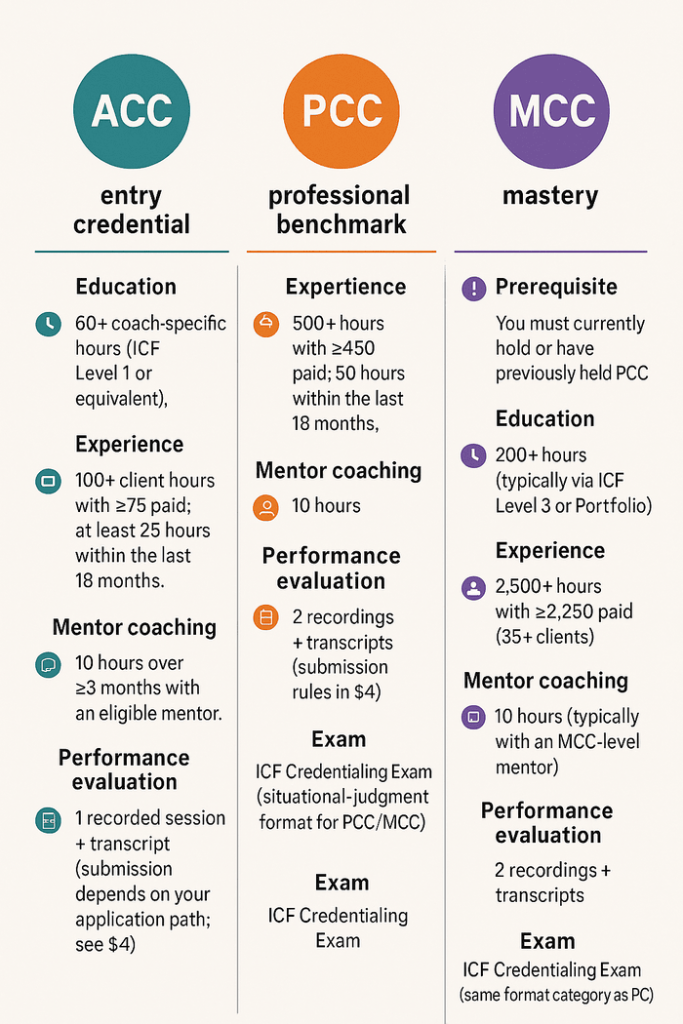
ICF has streamlined and clarified credential requirements:
A. Updated Training Hour Requirements
More structured training hours and competency-based evaluation.
B. Revised Mentor Coaching Expectations
ICF now emphasizes mentor feedback tied directly to new competencies.
C. Stronger Performance Evaluation
Session recordings are assessed using updated criteria for depth, presence, and impact.
4. New Standards for Coaching Education Providers
Coach training programs must align with new ICF Education Standards, including:
A. Curriculum Alignment With Updated Competencies
Training must reflect real-world, evidence-backed coaching practices.
B. Stricter Faculty Requirements
Educators must demonstrate advanced coaching experience and credentials.
C. Enhanced Assessments
Programs must evaluate learners through simulations, recorded sessions, and competency demonstrations.
5. AI, Technology & Digital Coaching Guidance

One of the biggest updates: ICF now provides guidelines for using AI and digital coaching tools.
Coaches must:
- Maintain human oversight in all automated insights
- Disclose when AI is used in the coaching process
- Ensure AI outputs do not replace professional judgment
- Protect client confidentiality in tech environments
ICF is preparing additional standards as AI becomes more integrated into coaching.
6. What Coaches Must Do to Stay Compliant This Year
A. Review the New Competencies
Ensure your coaching style aligns with updated expectations.
B. Update Contracts & Agreements
Add clear confidentiality, data usage, and scope-of-practice terms.
C. Refresh Your Credential Status
Make sure your training hours, mentor coaching, and renewal requirements are current.
D. Audit Your Technology Stack
Use only secure, ethical, and compliant coaching platforms.
E. Deepen Professional Development
Engage in CCE units related to ethics, AI, and advanced coaching.
7. How These Changes Benefit Coaches & Clients
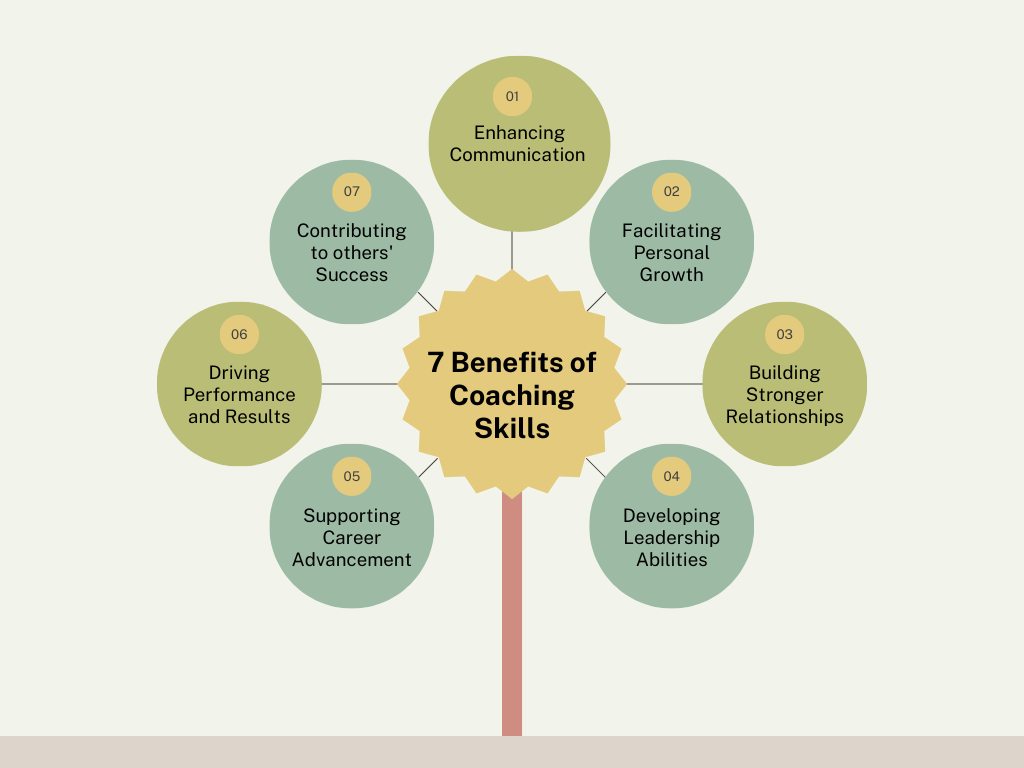
The updated ICF standards create:
For Coaches
- Higher professional credibility
- A stronger competitive advantage
- Better client outcomes and trust
For Clients
- More consistent, ethical, and effective coaching experiences
- Clearer expectations and safer coaching environments
Conclusion
ICF’s new coaching standards signal a major evolution in the coaching profession. As coaching becomes more globally recognized—and more influenced by technology—these updated expectations ensure coaches deliver high-quality, ethical, and impactful results.
Coaches who embrace these changes will strengthen their professional identity and stand out in an increasingly crowded industry.