
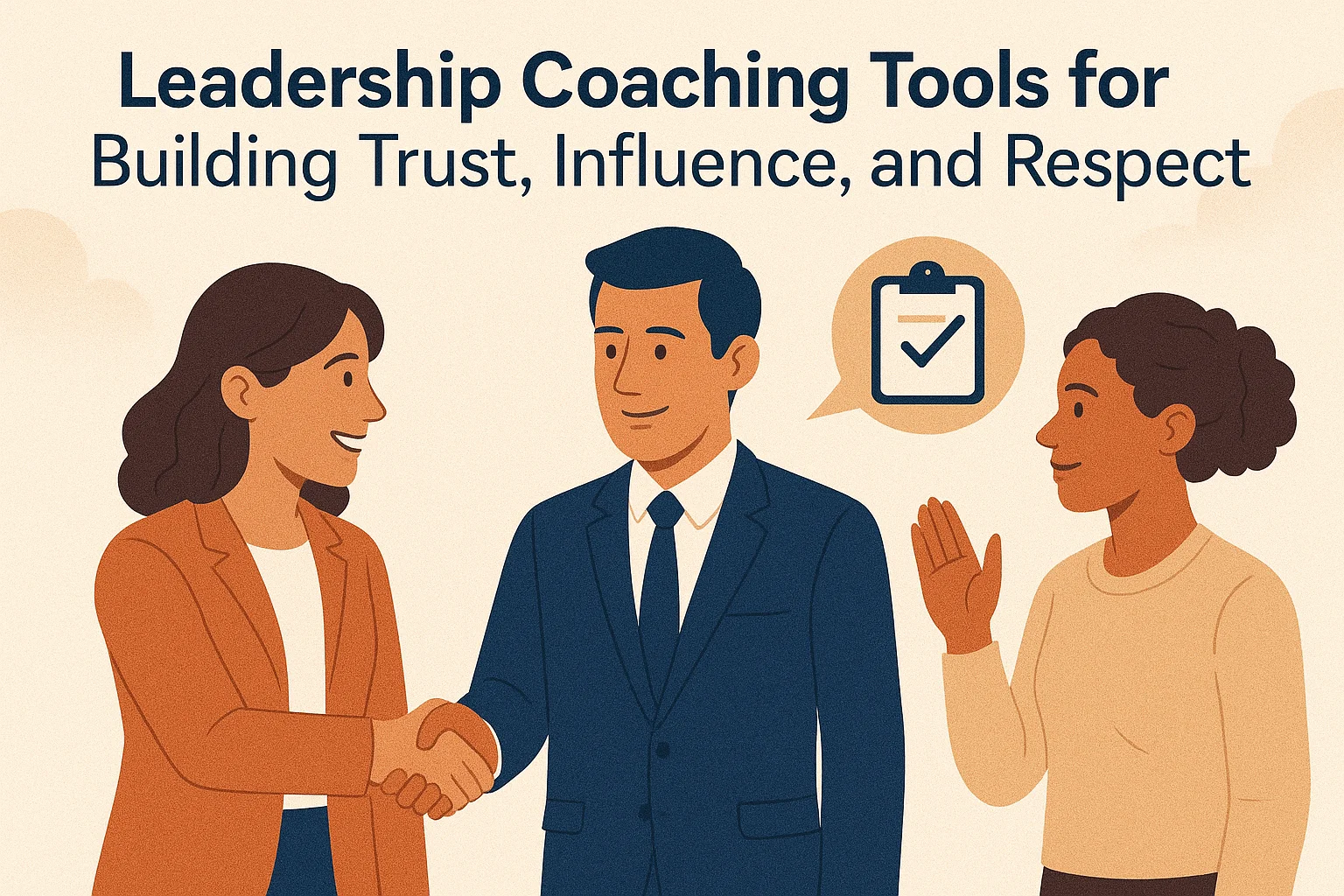

In today’s rapidly changing workplace, leaders can no longer rely on authority alone to motivate, influence, or earn respect. Modern leadership is built on trust, credibility, emotional intelligence, and authentic communication.
Leadership coaching equips leaders with the tools and frameworks they need to build stronger connections, lead with influence, and create a culture of mutual respect. This article highlights the most powerful coaching tools every leadership coach should use to elevate their clients.
🌟 Why Trust, Influence & Respect Are the Core of Modern Leadership
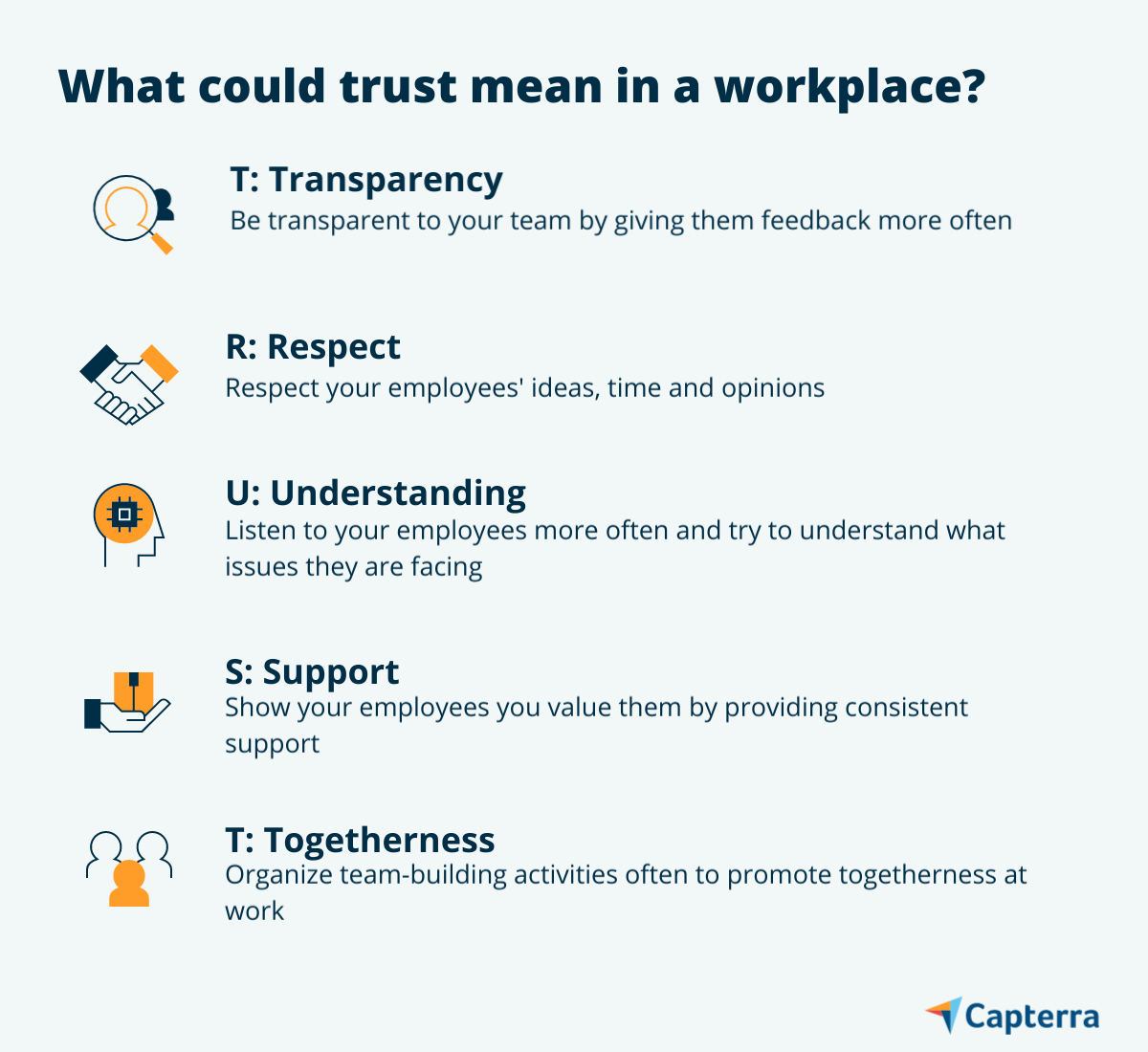
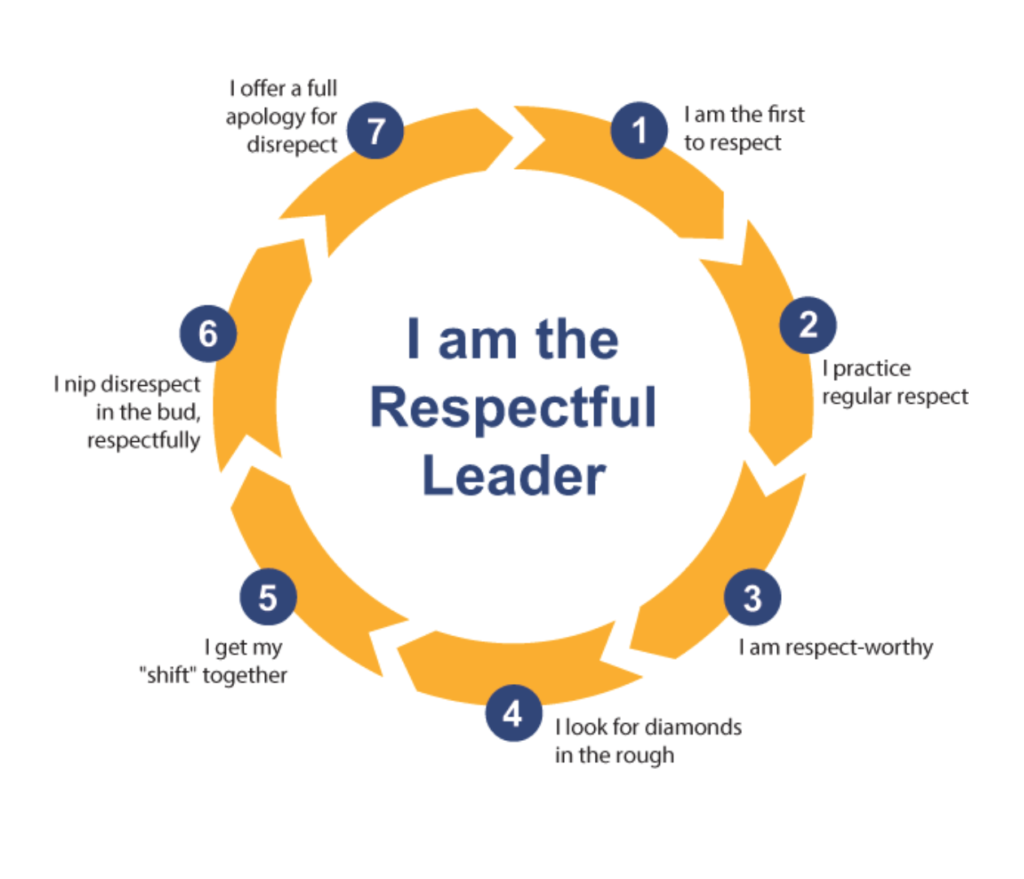

Today’s employees expect leaders who:
- Listen, not dictate
- Inspire, not control
- Guide, not micromanage
- Empower, not overpower
- Respect differences and individuality
Building trust, influence, and respect creates:
- Higher employee engagement
- Team loyalty
- Faster decision-making
- Stronger collaboration
- Reduced conflict
- A psychologically safe environment
Leadership coaches play a pivotal role in helping leaders develop these qualities through practical tools and intentional behavior shifts.
🔧 Tool 1: The Trust Triangle Framework
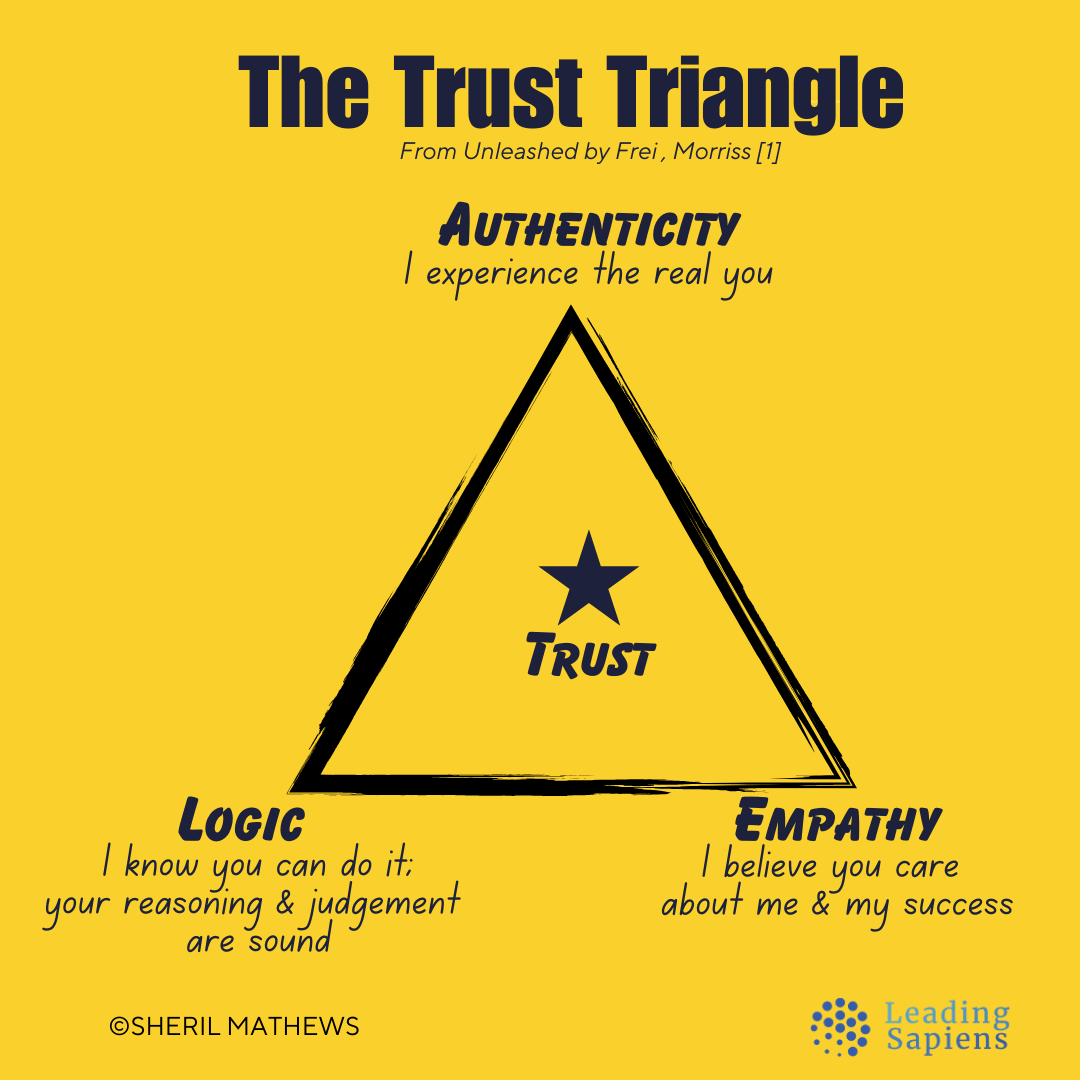


The Trust Triangle helps leaders build trust through three core components:
1. Authenticity — “I am real with you.”
Leaders show vulnerability and communicate openly.
2. Logic — “My reasoning is sound.”
Leaders provide clarity, direction, and strong decisions.
3. Empathy — “I care about you.”
Leaders listen actively and value the human experience.
When one area weakens, trust falls apart. Coaches use this model to help leaders identify which area needs strengthening.
🧭 Tool 2: 360° Leadership Feedback Assessments

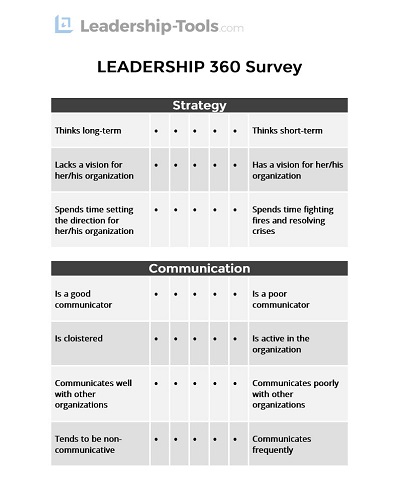

360° feedback is one of the most powerful coaching tools because it provides leaders with objective insights from:
- Peers
- Direct reports
- Supervisors
- Stakeholders
This reveals patterns in:
- Communication style
- Decision-making
- Emotional intelligence
- Collaboration tendencies
- Leadership blind spots
Leaders who understand how they are perceived can intentionally adjust behaviors to build more trust and respect.
💬 Tool 3: Conscious Communication Coaching
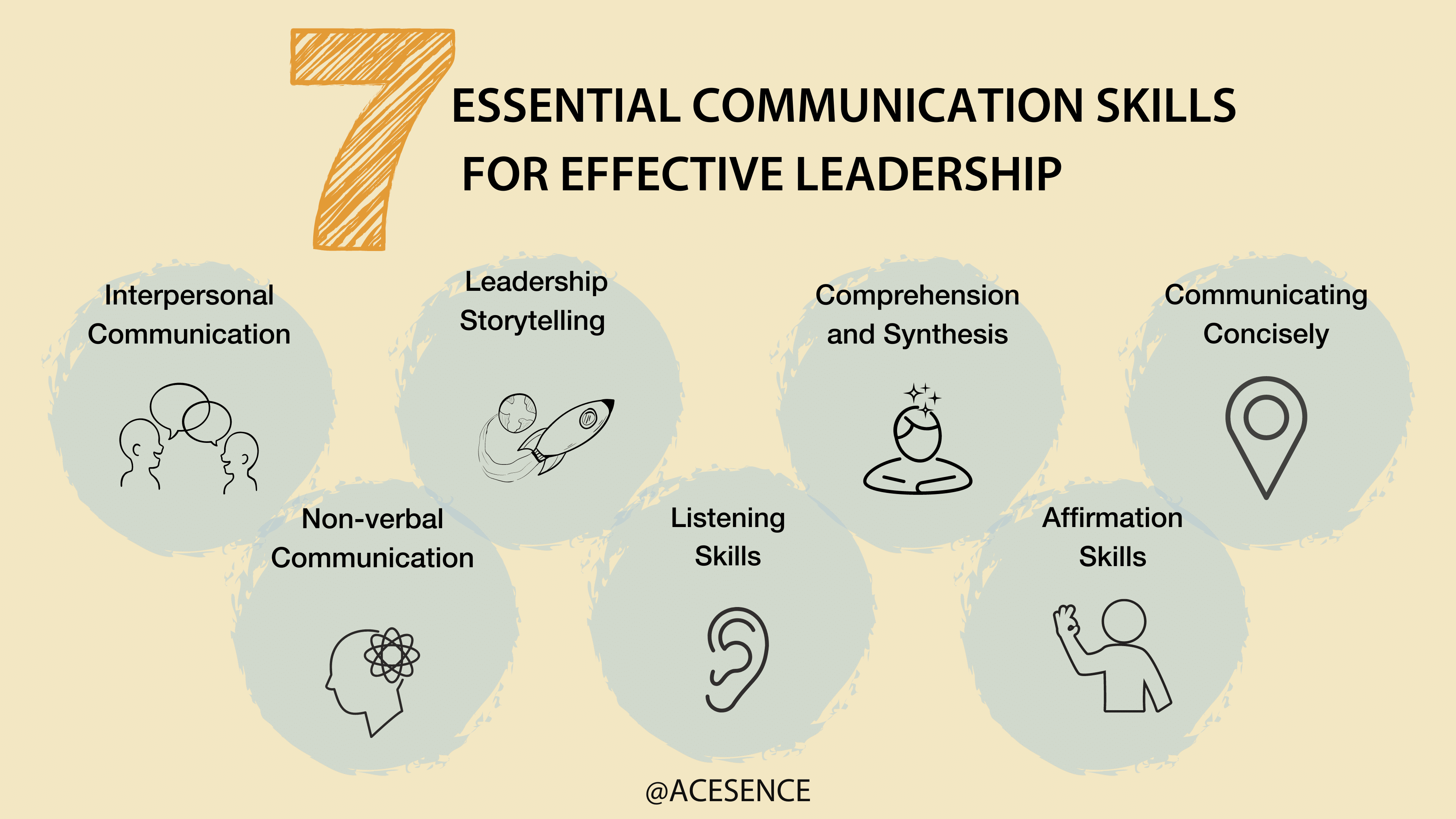


Influence comes from how well a leader communicates — not how much they talk.
Conscious communication includes:
- Active listening
- Nonviolent communication techniques
- Asking coaching-style questions
- Speaking with intention instead of reaction
- Being clear rather than ambiguous
Coaches often teach leaders to use frameworks like:
- SBI (Situation–Behavior–Impact) for feedback
- AWE (“And What Else?”) for deeper conversations
- Ladder of Inference to prevent assumptions
These tools transform communication into connection.
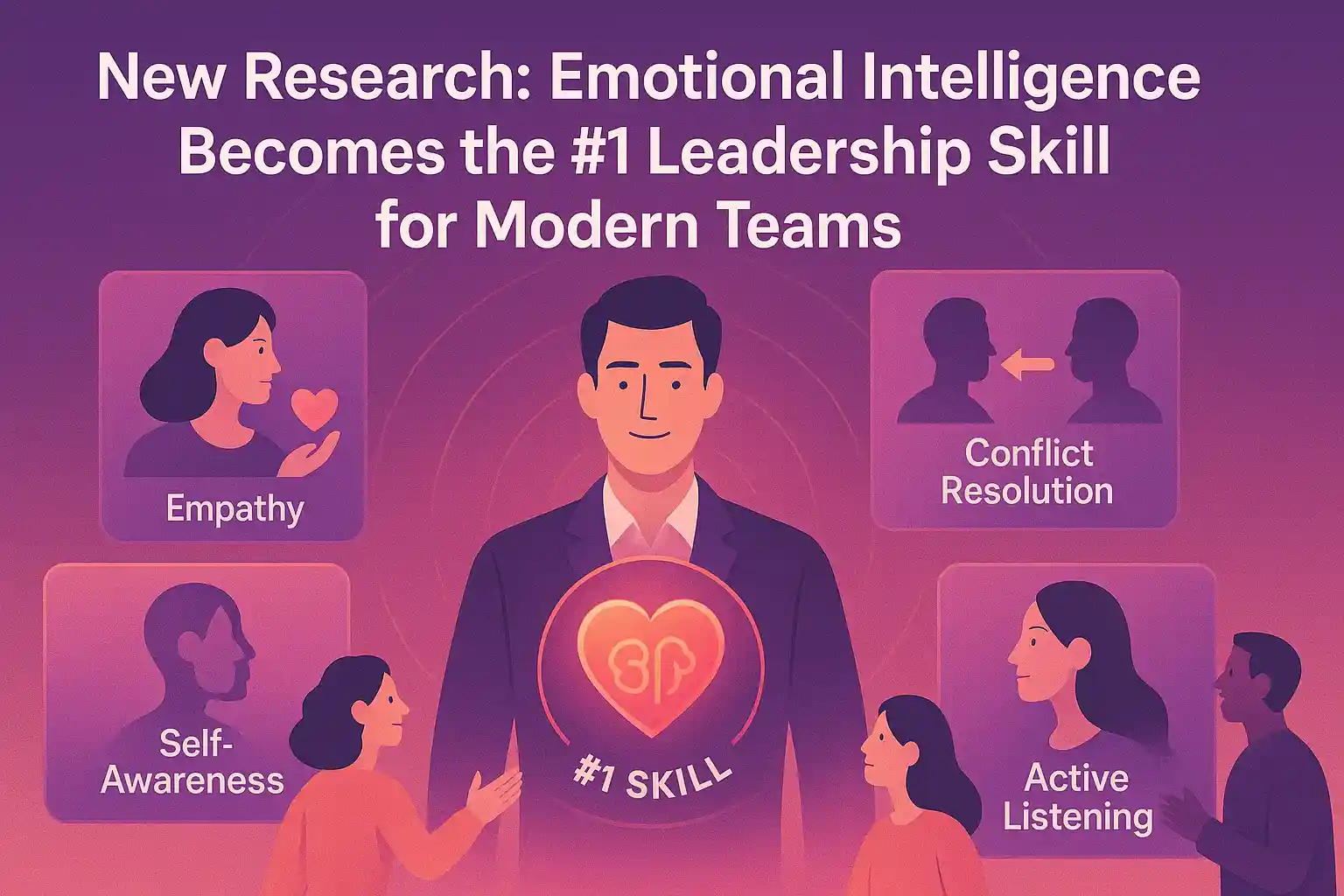
🧠 Tool 4: The Emotional Intelligence (EQ) Toolkit
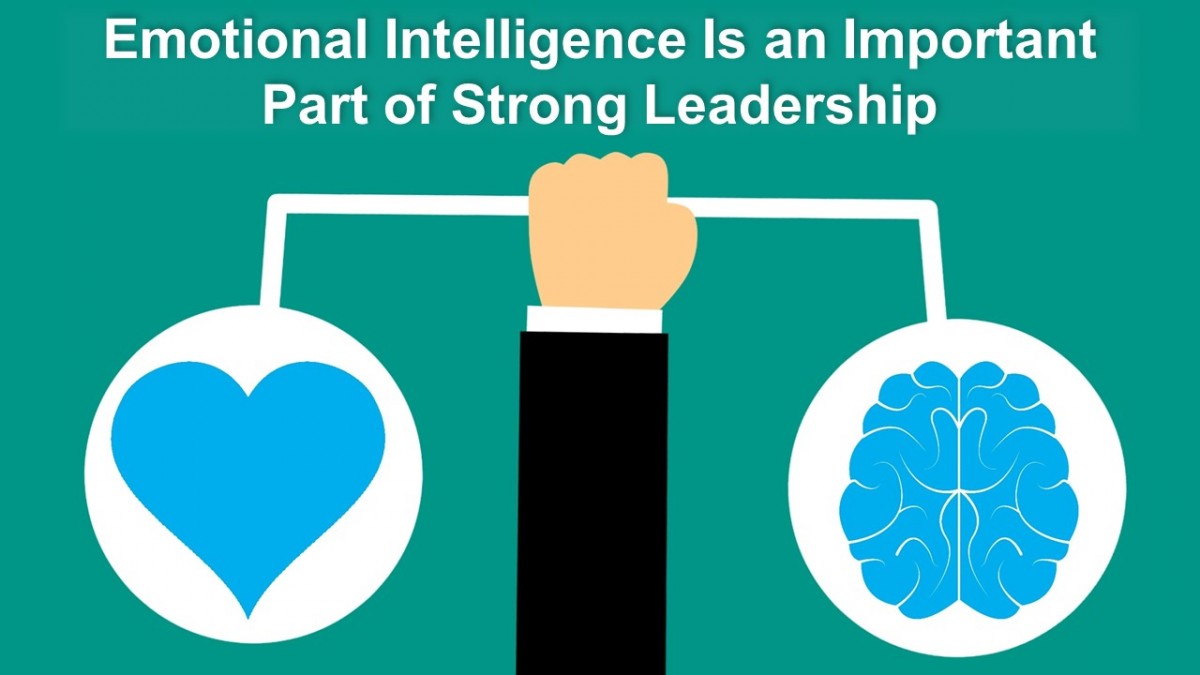


EQ is the foundation of influence and respect.
Leadership coaching focuses on developing:
1. Self-awareness
Understanding emotions, triggers, and habits.
2. Self-regulation
Managing stress, impulses, and reactions.
3. Social awareness
Reading team dynamics and emotional cues.
4. Relationship management
Building trust-based relationships.
Leaders with strong EQ naturally command respect and credibility.
🧩 Tool 5: Values & Purpose Clarity Exercises
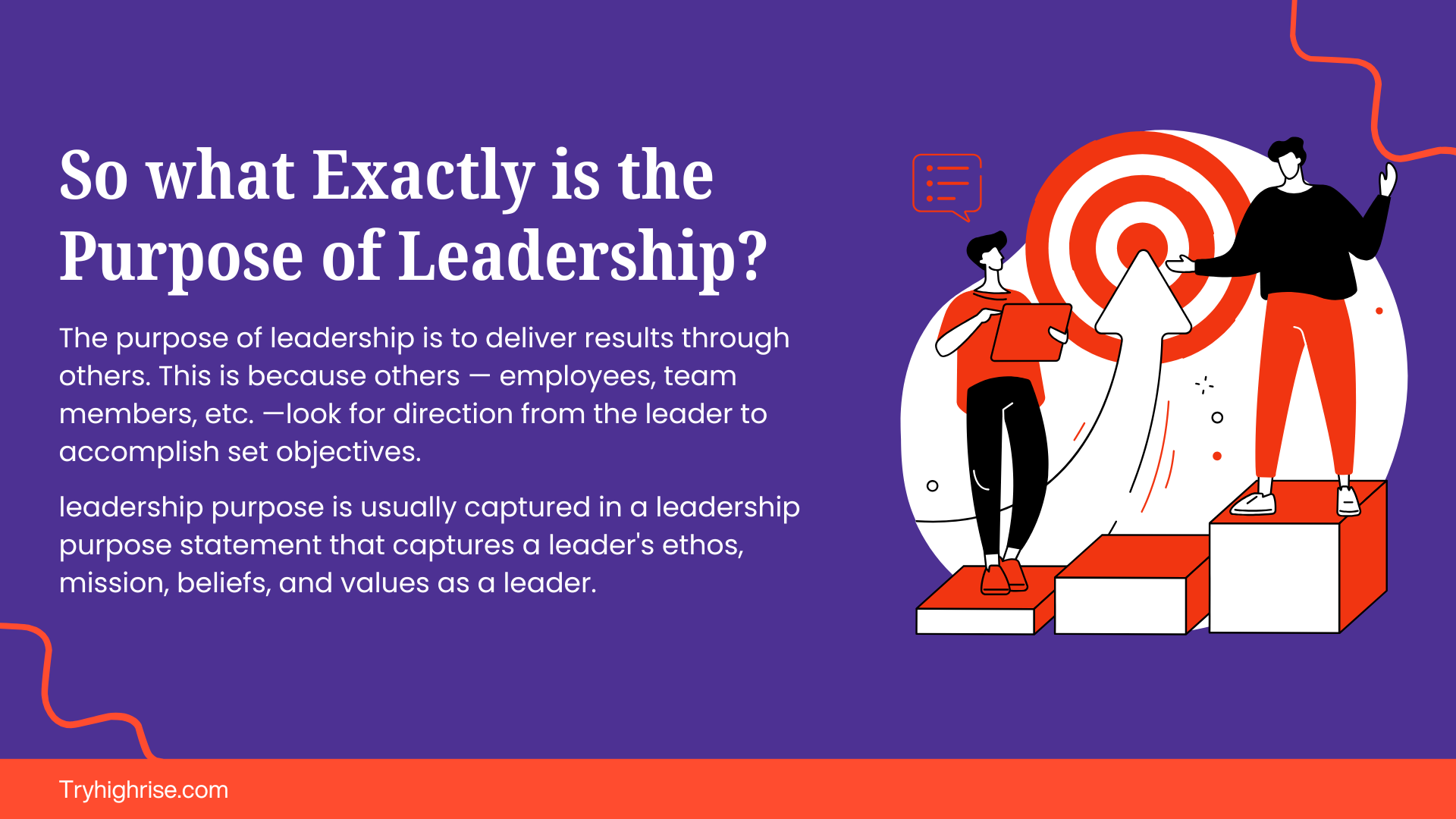

People trust leaders who are consistent and values-driven.
Coaches use exercises such as:
- Core values discovery
- Purpose mapping
- Vision and principles alignment
- Integrity checklists
Once leaders become aligned with their purpose, it becomes easier to:
- Make tough decisions
- Influence others authentically
- Earn long-lasting respect
Values-driven leadership inspires loyalty.
🤝 Tool 6: The Team Trust-Building Blueprint


Trust is not built in one meeting — it is a consistent coaching process.
The blueprint includes:
- Transparent decision-making
- Team agreements (“rules of engagement”)
- Accountability structures
- Peer-to-peer recognition systems
- Psychological safety exercises
When trust is built at the team level, leaders naturally gain influence and respect.
🎯 Tool 7: The Influence Matrix


The Influence Matrix helps leaders understand how influence works through four channels:
1. Positional Influence
Authority or role-based power.
2. Relational Influence
Built through connection and trust.
3. Expertise Influence
Gained through skills and knowledge.
4. Inspirational Influence
Earned when others admire your character and purpose.
Coaches teach leaders how to shift away from positional power toward relational and inspirational power — where true lasting influence is created.
🔍 Tool 8: The Respect Loop Model


Respect is earned through consistent behaviors that reflect integrity.
The Respect Loop includes:
- Clarity — clear expectations and communication
- Consistency — following through on commitments
- Competence — demonstrating skills and thought leadership
- Care — showing empathy and support
When leaders embody all four, respect becomes automatic.
🛠 Tool 9: Conflict Coaching & Mediation Models
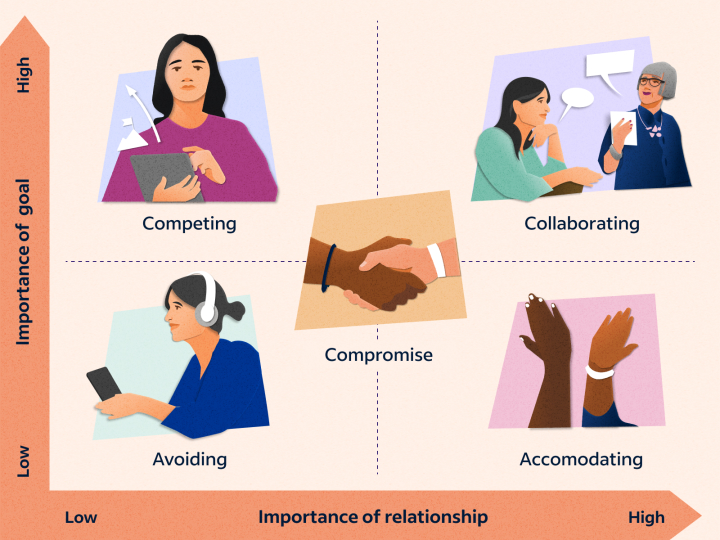


Conflicts are inevitable — disrespect isn’t.
Leadership coaches use frameworks like:
- Interest-based negotiation
- Crucial Conversations model
- Nonviolent communication (NVC)
- CLEAR conflict model (Clarify–Listen–Empathize–Agree–Resolve)
These tools help leaders handle difficult moments with grace, fairness, and empathy.
🌿 Tool 10: Mindful Leadership Practices
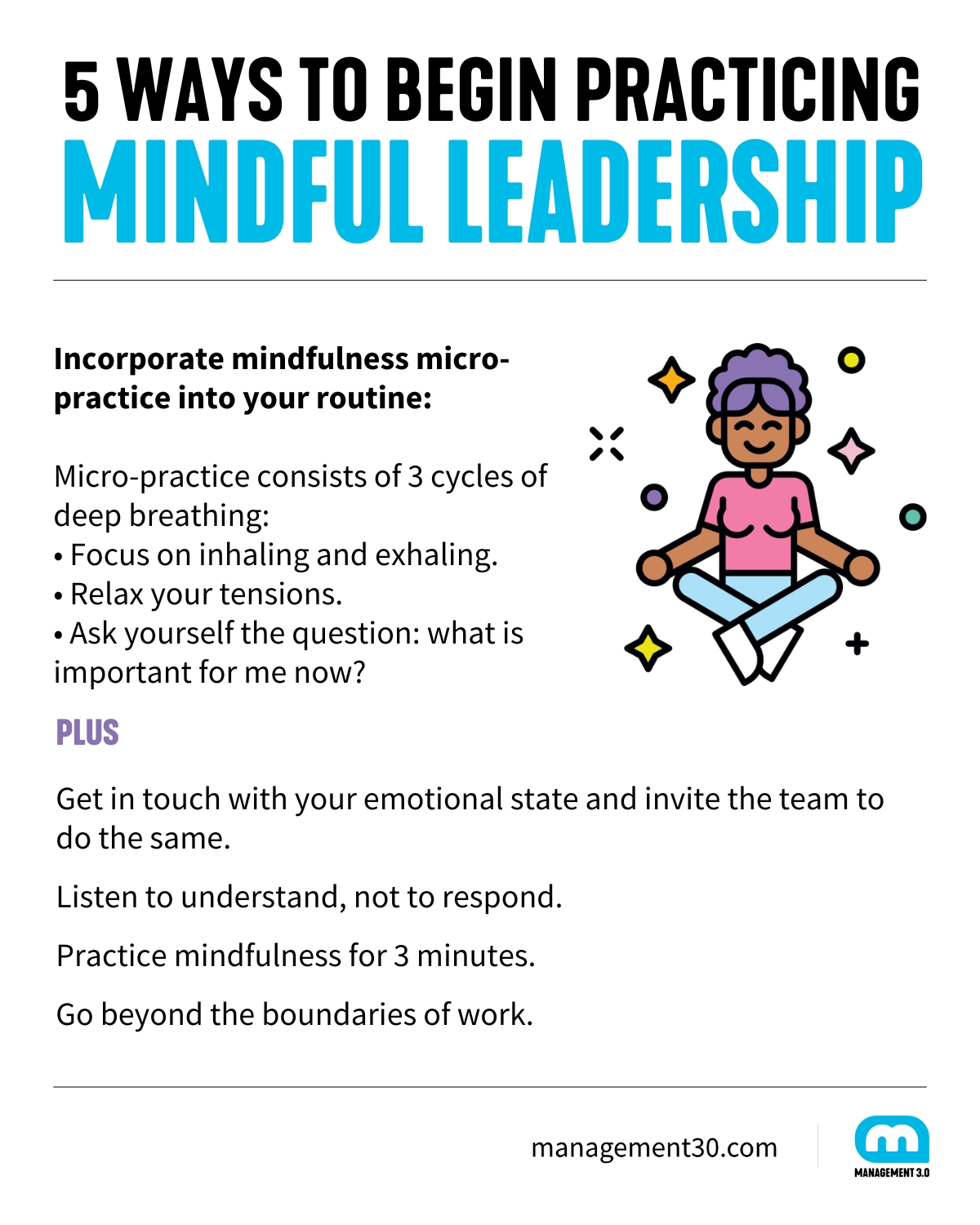

Mindfulness helps leaders:
- Stay calm under pressure
- Respond rather than react
- Reduce emotional volatility
- Create grounded presence
Practices include:
- Breathwork
- Grounding techniques
- Reflective journaling
- Intention-setting rituals
A mindful leader earns trust effortlessly.
✨ Final Thoughts: Tools Don’t Build Leaders—Consistent Practice Does


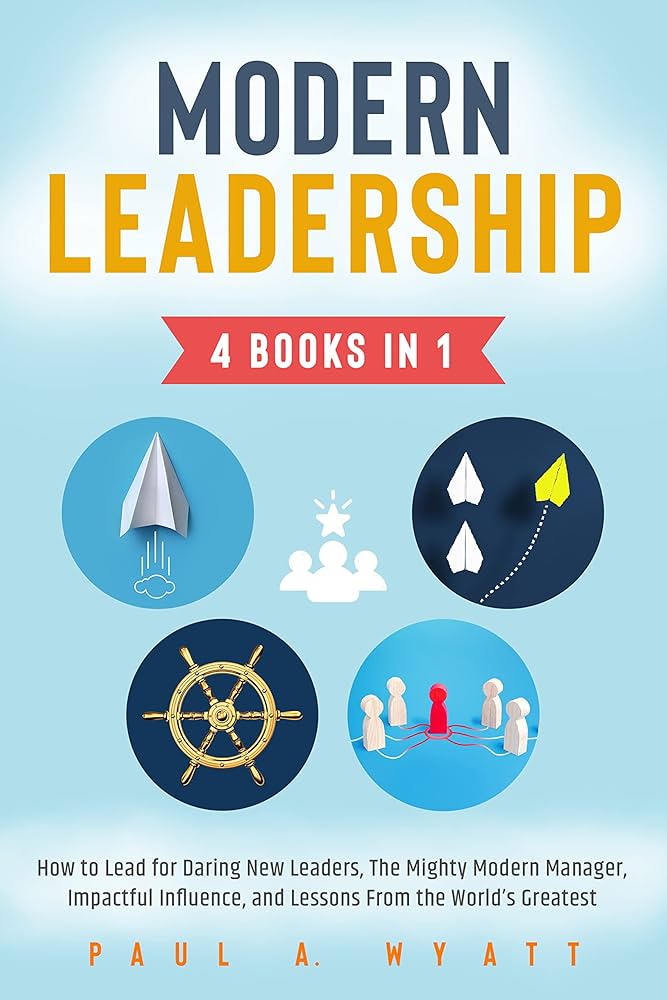
The best leadership coaches don’t just teach concepts—they help leaders internalize habits that foster:
- Trust
- Influence
- Respect
- Collaboration
- Emotional intelligence
Using the right tools, leaders transform from managers into inspirational guides who uplift those around them.
Trust is earned.
Influence is built.
Respect is maintained.
Leadership coaching makes all three possible.