
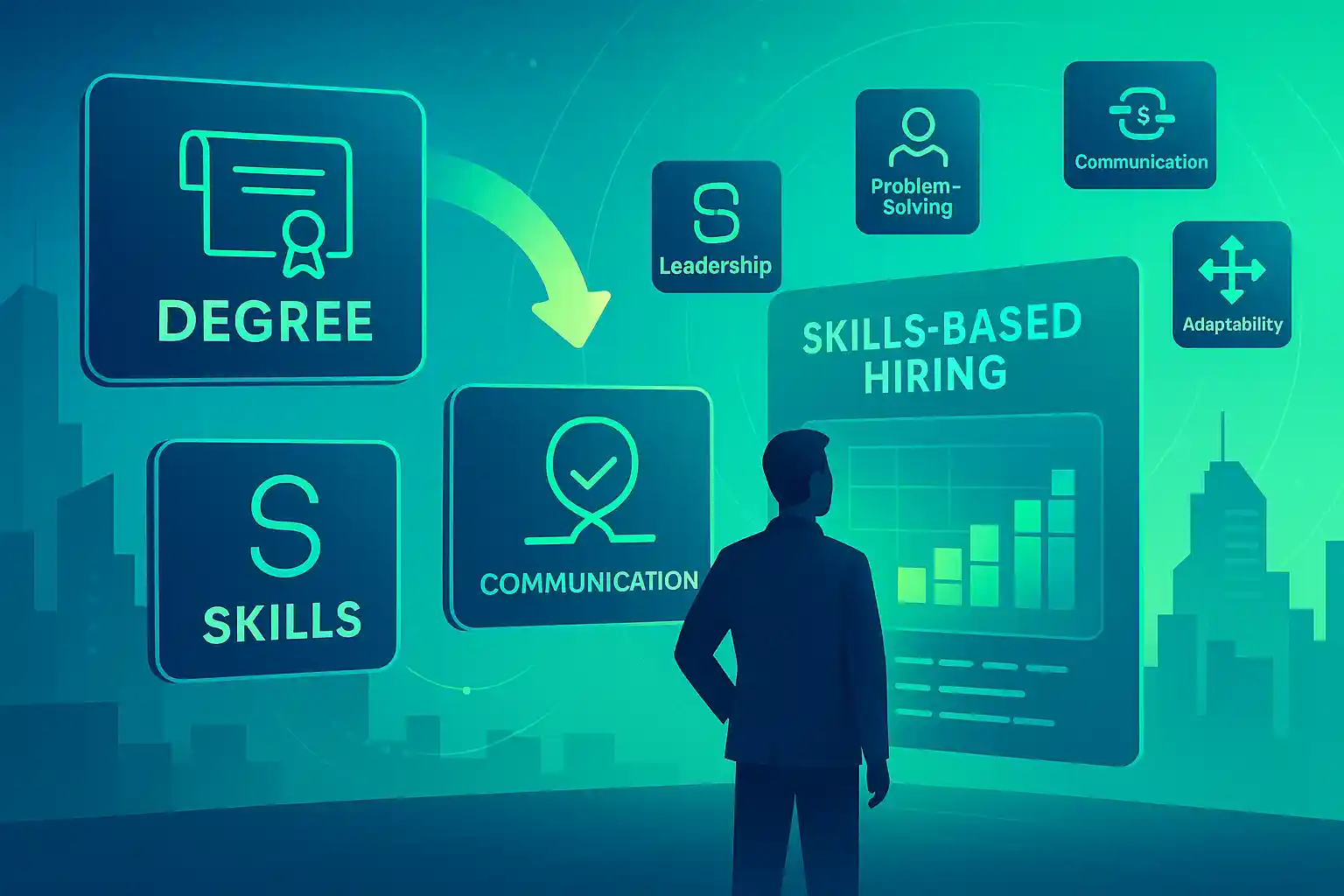


Skills-based hiring is rapidly replacing traditional degree-focused recruitment across major global companies. As organizations prioritize capabilities over credentials, leadership coaches must understand how this shift is redefining team development, talent pipelines, and the modern leader’s role.
Why Skills-Based Hiring Is Accelerating
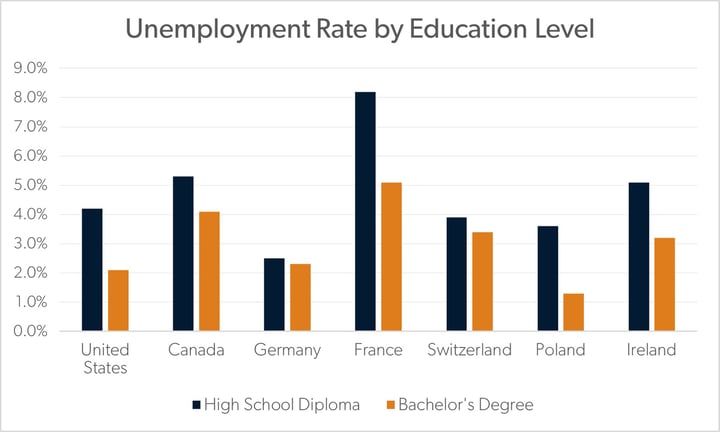
Skills-based hiring is growing because organizations want:
- Faster access to high-performing talent
- Workforce agility in a rapidly changing economy
- Reduced hiring bias and increased diversity
- Better alignment between real skills and job demands
- A more future-ready pipeline for technical and leadership roles
This shift affects every level of the workforce—from entry-level roles to senior leadership positions.
1. How Skills-Based Hiring Changes Leadership Expectations
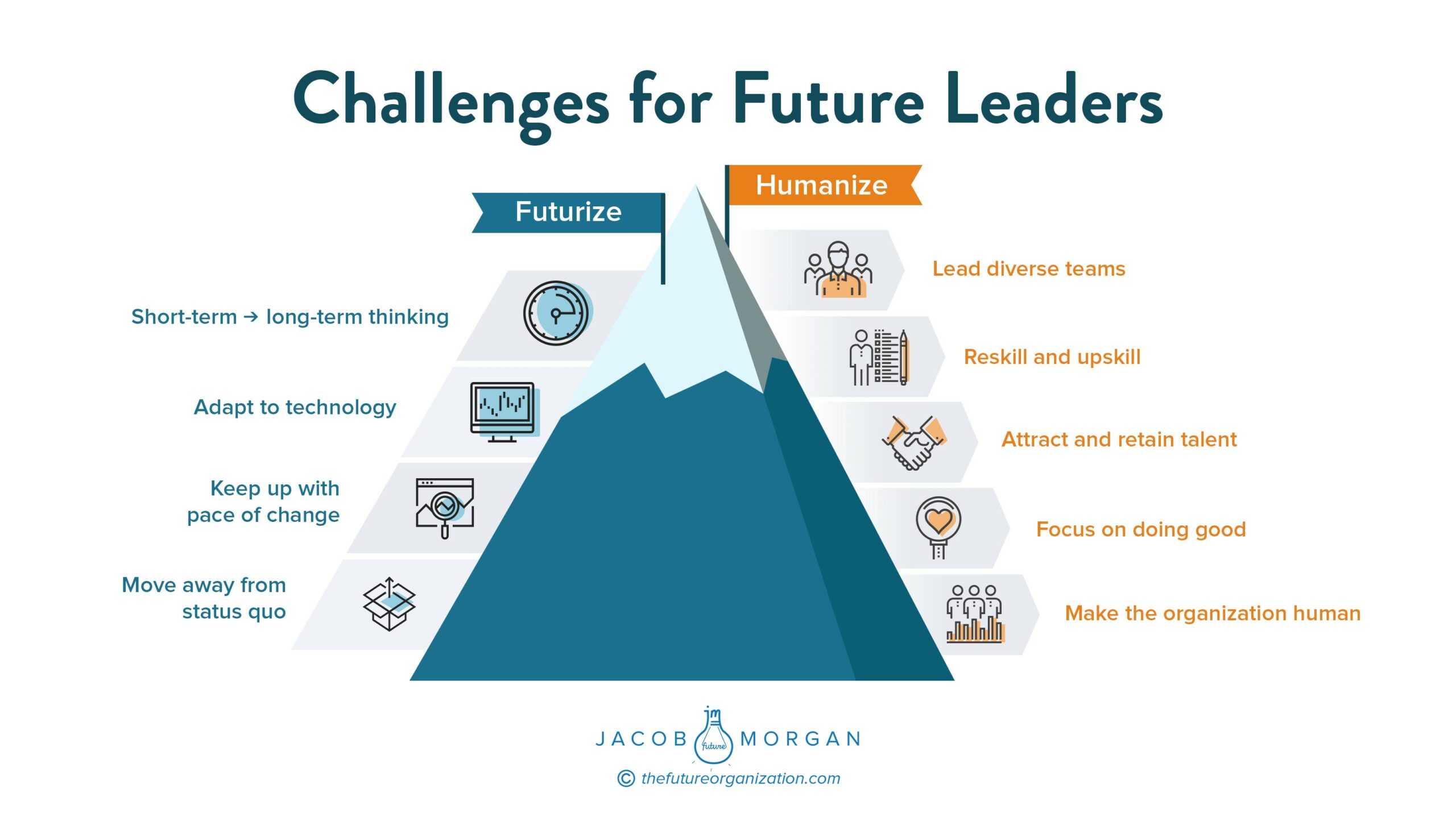
A. Leaders Must Evaluate Skills More Accurately
Managers can no longer rely on resumes. Leadership now requires strong assessment abilities—understanding potential, learning agility, and applied skills.
B. Leaders Become Talent Developers, Not Just Supervisors
With rising internal mobility, leaders must coach employees through upskilling, transitions, and rapid role changes.
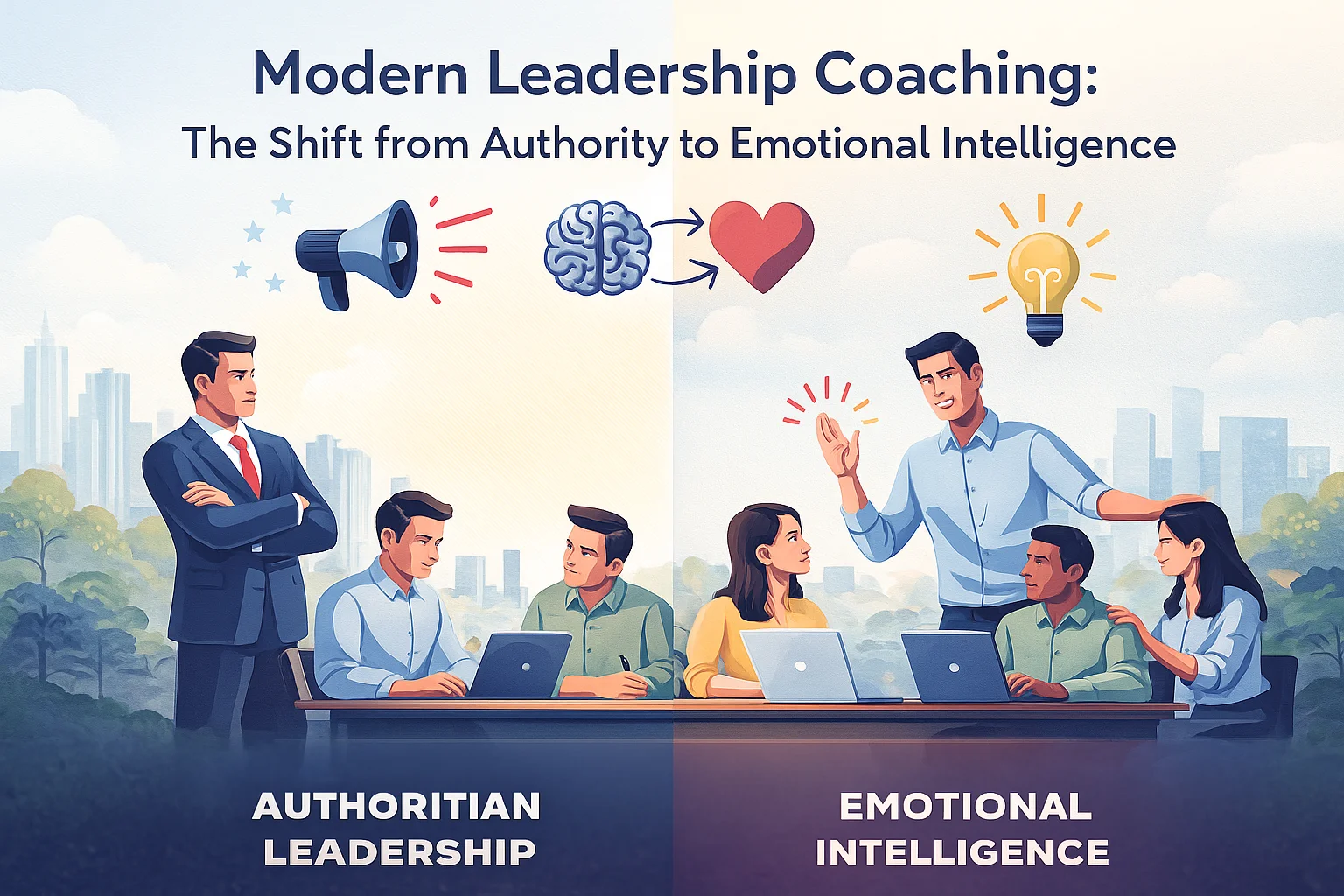
C. Emotional Intelligence Becomes a Core Selection Criterion
Talent decisions increasingly favor communication, adaptability, and collaboration—skills critical for hybrid and remote teams.
2. The Shift Creates New Demands for Leadership Coaches
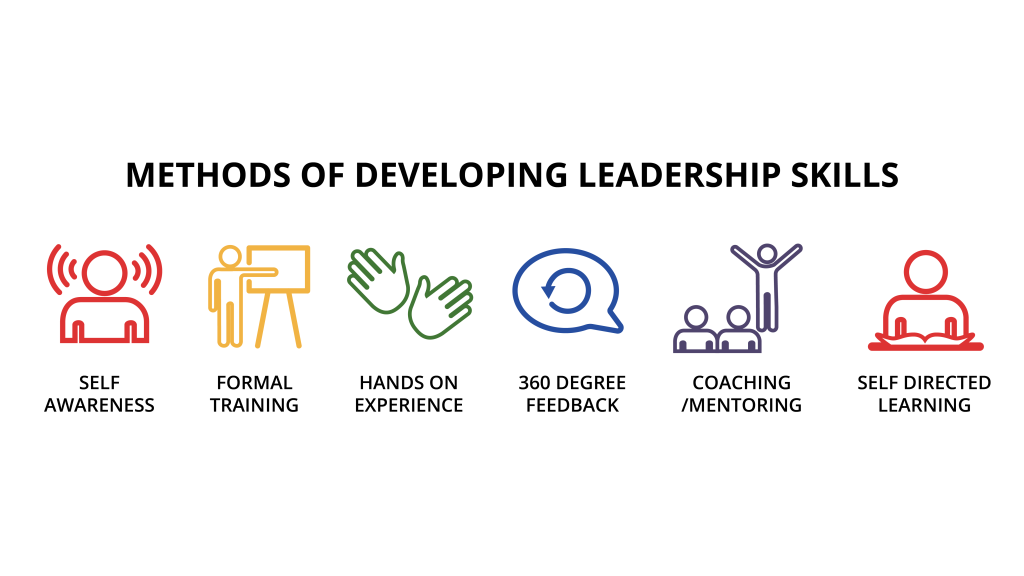
Leadership coaches will play a crucial role as companies reshape talent systems.
Areas of rising demand:
- Coaching leaders to identify and nurture skills in their teams
- Preparing leaders to support non-traditional career paths
- Helping organizations build skill-based evaluation frameworks
- Developing leaders who can mentor a multi-skilled, dynamic workforce
This shift positions coaches as strategic partners in organizational development.
3. New Skills Leaders Must Master in a Skills-Based Economy

A. Skill Mapping & Talent Analytics
Understanding how to map competencies, diagnose skill gaps, and align teams with organizational goals.
B. Coaching-Based Leadership
The ability to coach team members, give meaningful feedback, and empower self-driven development.
C. Adaptability & Rapid Learning
Leaders must demonstrate the same skills they expect from their teams—curiosity, resilience, and continuous learning.
D. Collaboration Across Diverse Skill Sets
Teams now bring mixed backgrounds instead of uniform degrees; leaders must be skilled at integrating varied expertise.
4. Opportunities for Leadership Coaches in 2025 and Beyond

Leadership coaches can expand their impact by offering:
- Skill-based leadership development programs
- Internal mobility coaching for emerging leaders
- Upskilling and reskilling frameworks
- Manager capability training for evaluating talent
- Team synergy coaching for mixed-skill environments
Organizations increasingly want coaches who understand the future of work—not just classical leadership theories.
5. Challenges Leadership Coaches Should Prepare For

Potential challenges include:
- Leaders struggling to adapt from hierarchy-based to skill-based models
- Teams needing support through rapid technological changes
- Increased pressure on leaders to develop talent continuously
- Coaching programs requiring customization to different skill groups
- Helping leaders build psychological safety in diverse teams
Coaches who can address these challenges will be in high demand.
6. How Leadership Coaches Can Stay Ahead
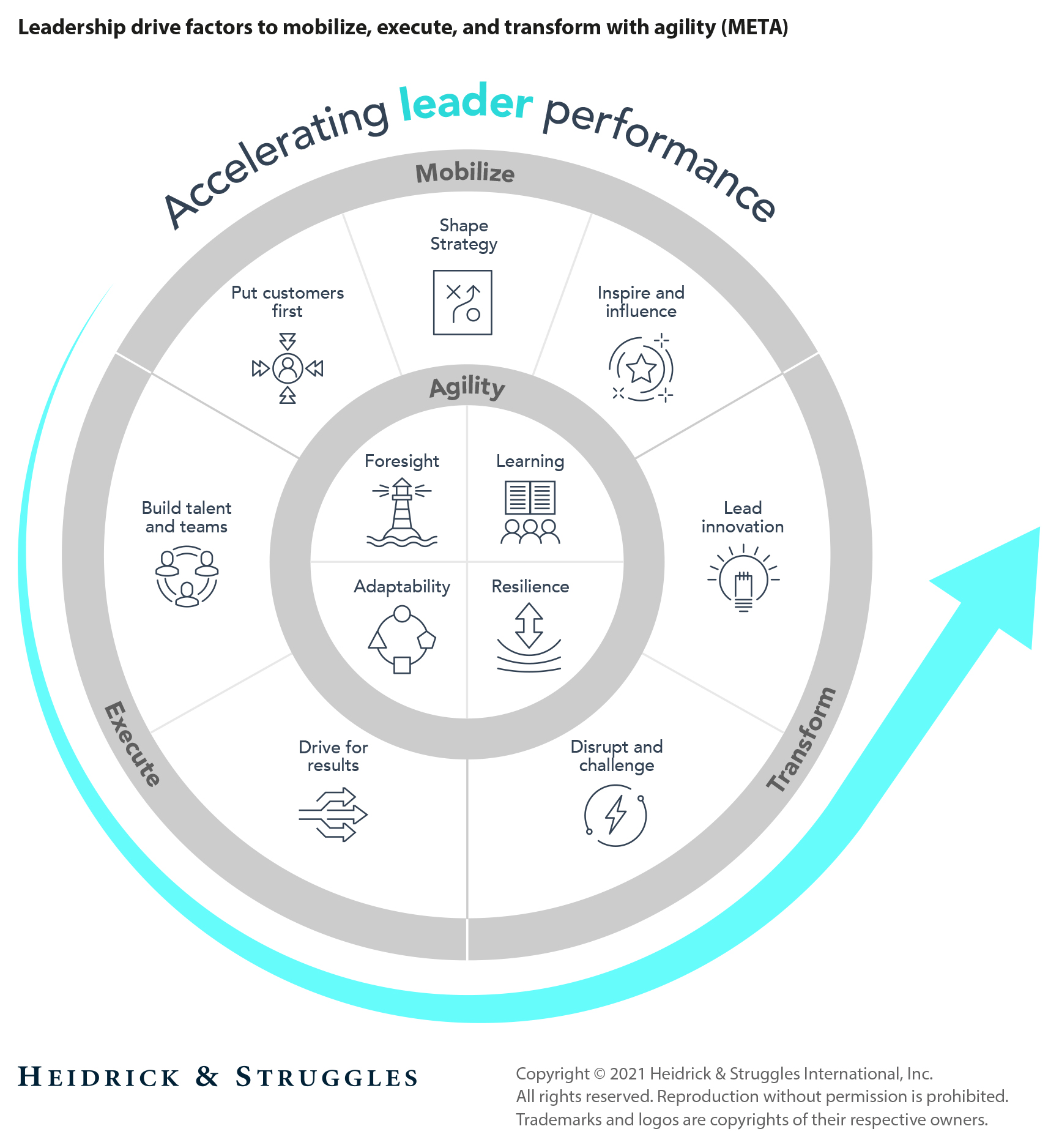
To remain competitive, coaches should:
- Deepen expertise in skills-based leadership frameworks
- Learn talent analytics and skill-assessment tools
- Integrate coaching programs with organizational skill strategies
- Offer leadership training tailored to hybrid and digital workplaces
- Stay updated on workforce trends and emerging competencies
When coaches adapt their offerings, they become essential assets in shaping future-ready leaders.
Conclusion
The global move toward skills-based hiring is reshaping leadership expectations, organizational cultures, and coaching needs. For leadership coaches, this is a powerful opportunity to expand influence—helping leaders develop stronger assessment abilities, build more agile teams, and champion continuous learning.
As companies shift from “degrees” to demonstrated capability, leadership coaching becomes more strategic than ever.