

The world of leadership has undergone a dramatic transformation. Gone are the days when leaders relied solely on authority, hierarchy, and command-and-control management. Today, the most effective leaders are those who demonstrate empathy, emotional intelligence, human-centered communication, and psychological safety.
As a result, leadership coaching has evolved from traditional performance-based training into a powerful developmental process that reshapes how leaders think, behave, and influence others.
In this article, we explore the shift from authoritative leadership to emotionally intelligent leadership, and how modern coaching empowers leaders to succeed in today’s fast-changing work environment.
🔄 The Leadership Shift: From Authority to Emotional Intelligence

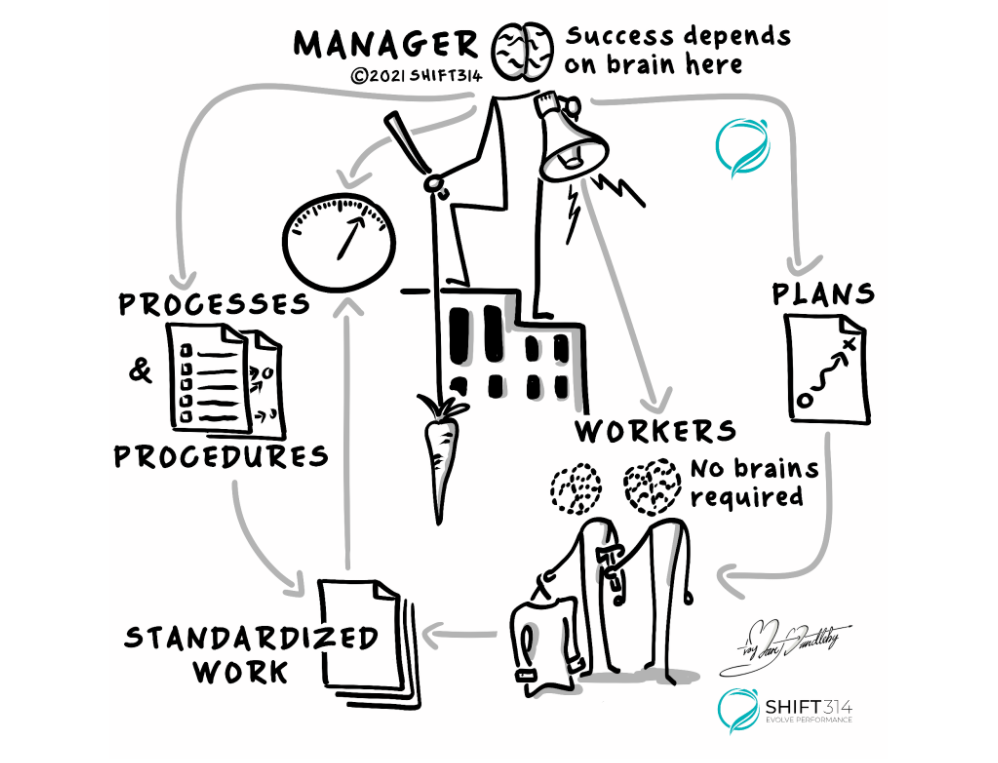
For decades, leadership was defined by:
- Position
- Power
- Hierarchy
- Command and control
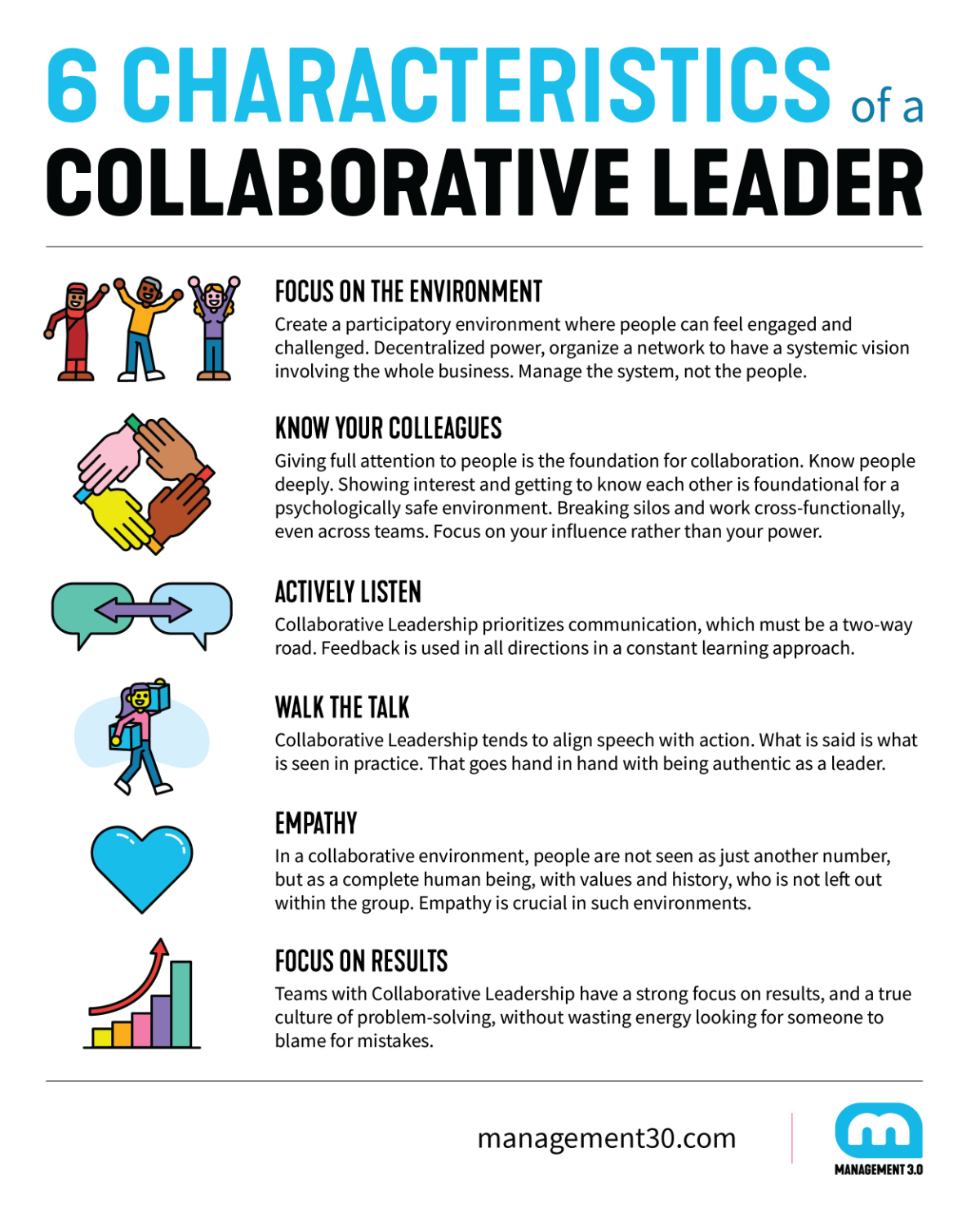
But businesses have changed. Teams expect:
- Collaboration
- Autonomy
- Transparency
- Psychological safety
- Human-first communication
Modern leadership coaching focuses on equipping leaders to connect before they command.
This shift is powered by Emotional Intelligence (EQ) — the ability to understand, manage, and influence emotions effectively.
🧠 What Is Emotional Intelligence in Leadership?
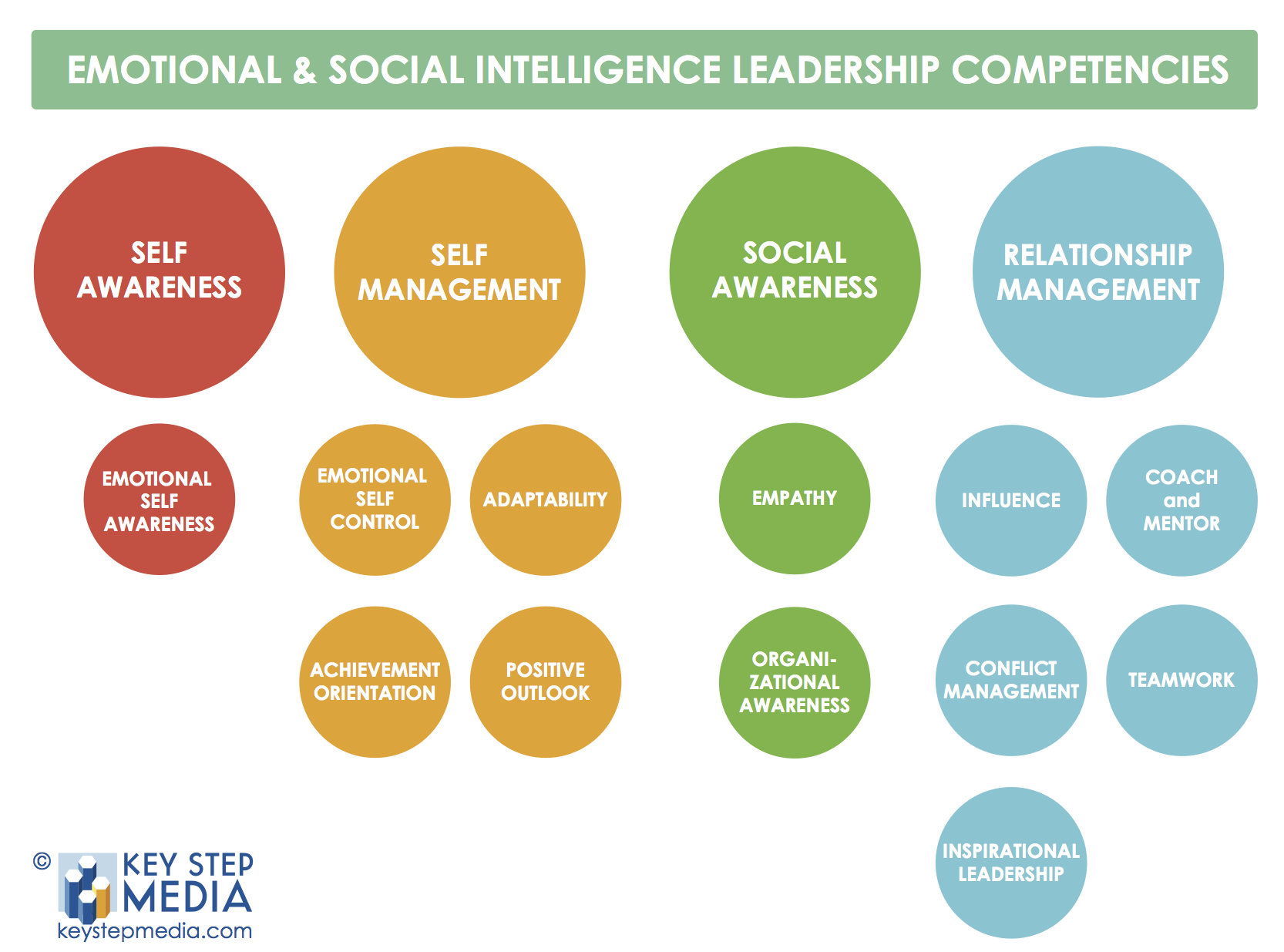
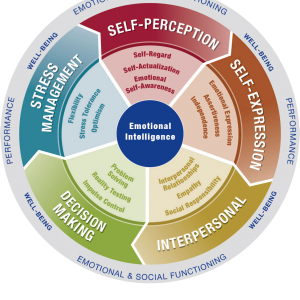
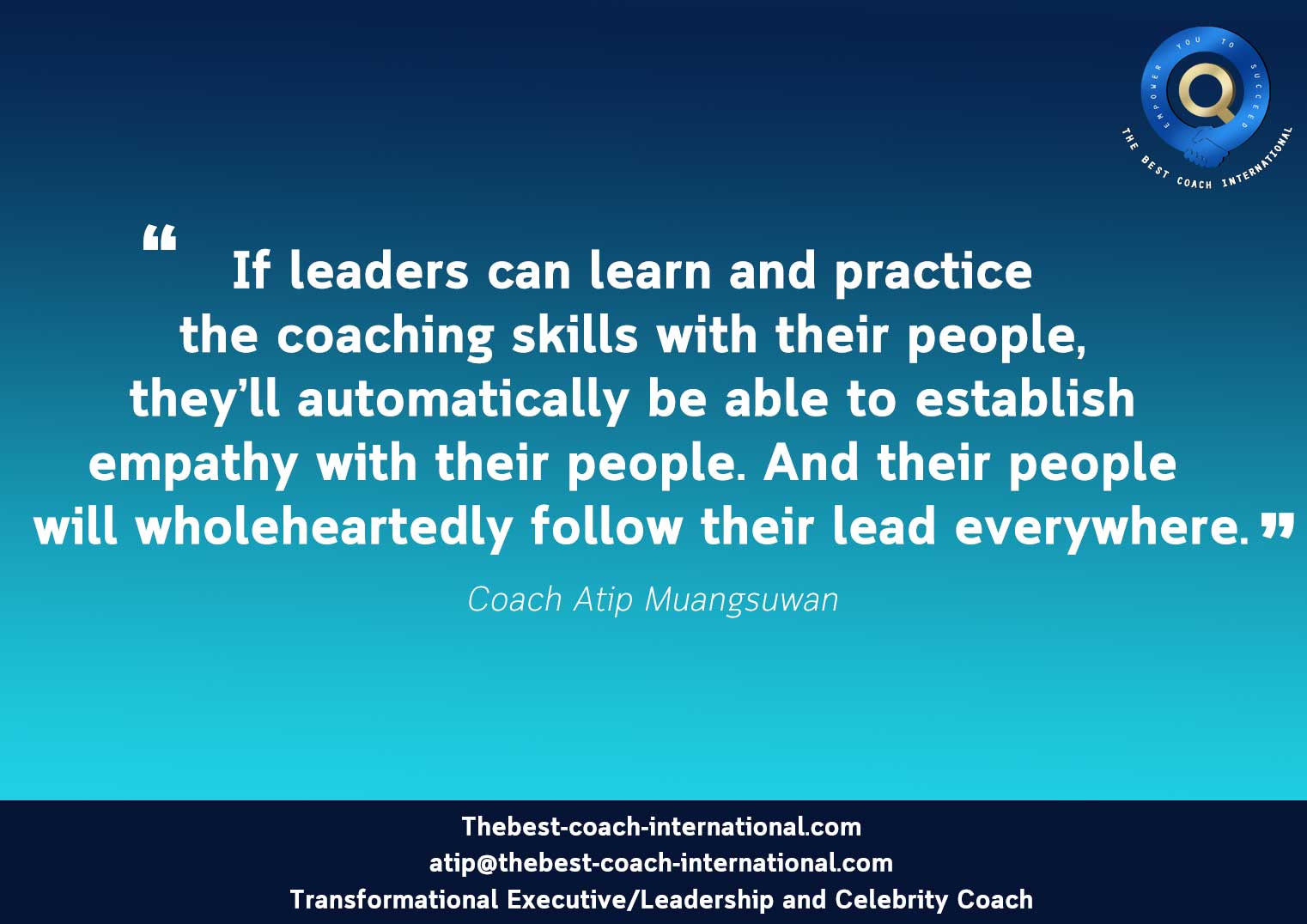
Emotional Intelligence (EQ) comprises four core components crucial to leadership:
1. Self-awareness
Understanding your emotions, triggers, strengths, and weaknesses.
2. Self-management
Controlling impulses, staying calm, and adapting to change.
3. Social awareness
Reading others’ emotions, showing empathy, and recognizing team dynamics.
4. Relationship management
Handling conflict, inspiring others, and building trust-based relationships.
Leadership coaching helps leaders master these skills — transforming how they lead, communicate, and influence.
💼 Why Emotional Intelligence Matters More Than Authority


Modern organizations face challenges that require more than technical expertise:
- Hybrid teams
- Multigenerational workforce
- Global collaboration
- High employee turnover
- Burnout and mental health concerns
Leaders must navigate not just performance — but people, making EQ essential.
Benefits of EQ-driven leadership:
- Higher employee engagement
- Lower turnover
- Stronger team collaboration
- Faster conflict resolution
- Improved decision-making
- More innovation and creativity
- Healthier workplace cultures
Emotional intelligence isn’t a “soft skill” — it’s a critical business advantage.
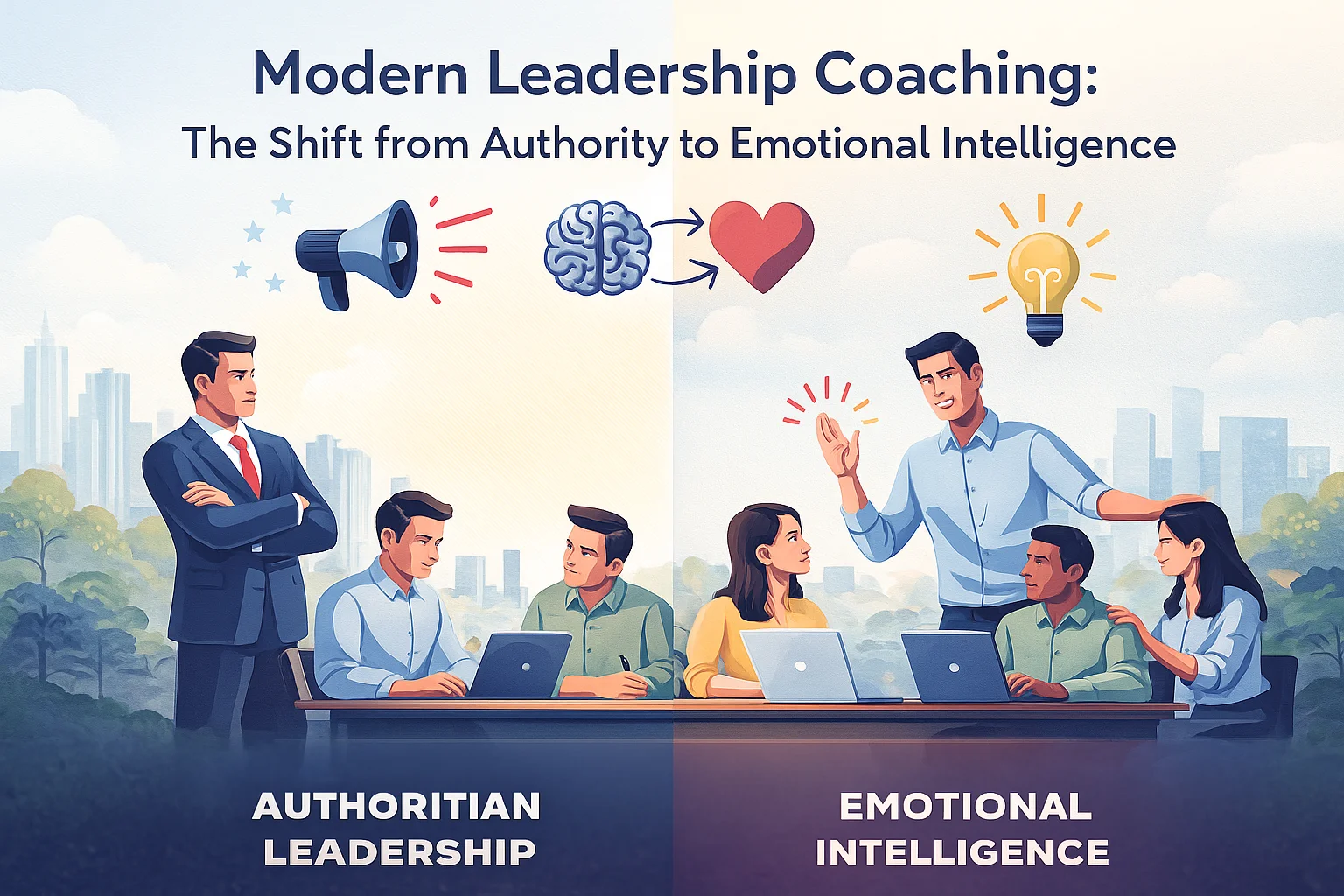
🧿 Authority-Based Leadership vs. EQ-Based Leadership
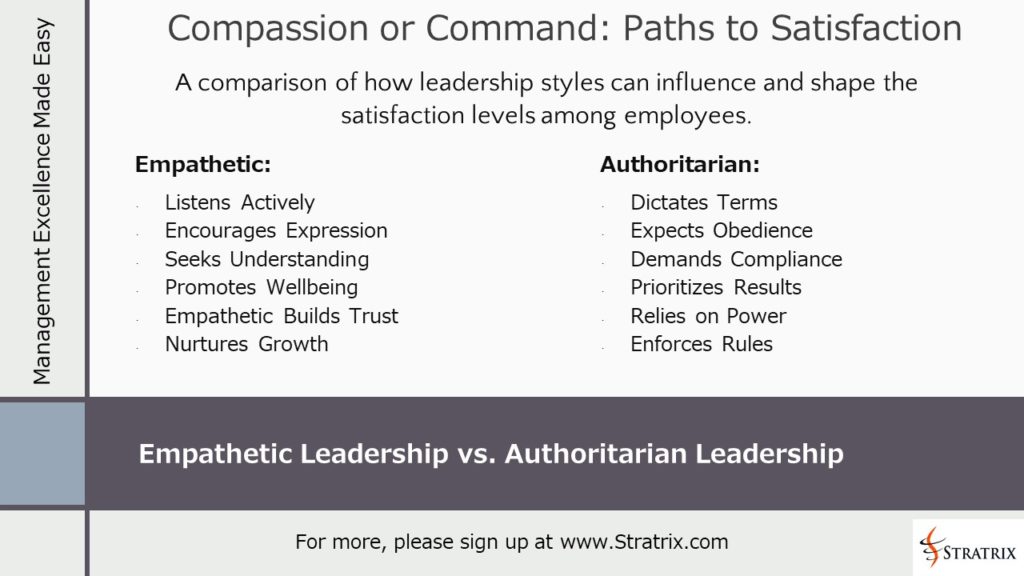


Authority-Based Leadership
❌ Commands rather than collaborates
❌ Makes decisions alone
❌ Drives compliance, not commitment
❌ Creates fear-driven environments
❌ Focuses on tasks over people
Emotional-Intelligence Leadership
✔ Builds trust through empathy
✔ Encourages open communication
✔ Includes team input in decisions
✔ Supports psychological safety
✔ Drives high performance through motivation
Modern leadership coaching focuses on shifting leaders from control to connection.
🧭 How Leadership Coaching Helps Build Emotional Intelligence


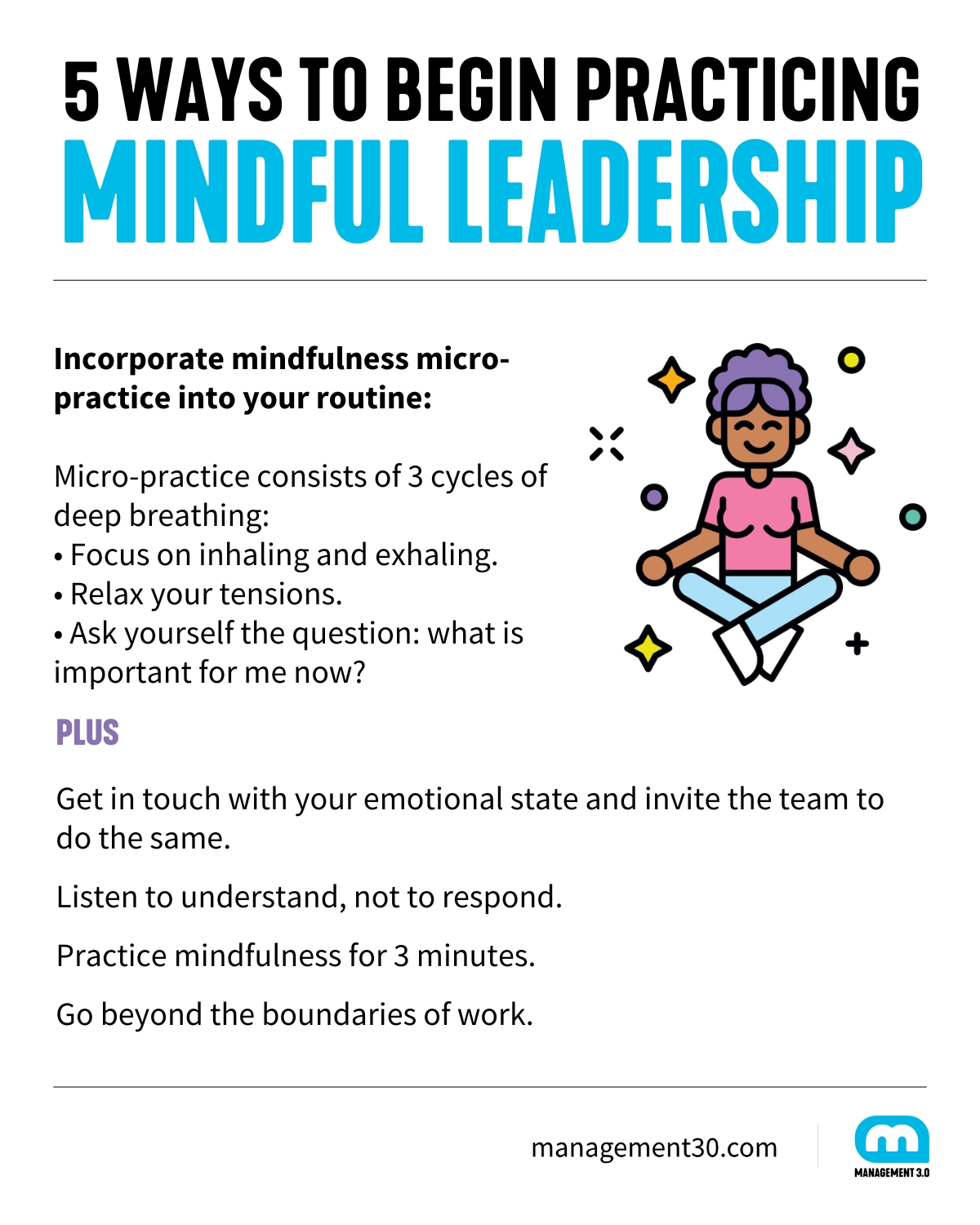
Leadership coaching uses structured methods to help leaders grow their EQ:
1. Deep Self-Awareness Assessments
Tools like DISC, MBTI, StrengthsFinder, and 360-degree feedback.
2. Emotional Regulation Techniques
Mindfulness, reflection, resilience exercises.
3. Active Listening Training
Helping leaders hear beyond words.
4. Empathy Development
Understanding different perspectives and emotional states.
5. Conflict Management Skills
Coaching leaders to handle tension without escalation.
6. Communication Enhancement
Coaches teach leaders to express clearly, calmly, and compassionately.
Each coaching session strengthens emotional intelligence — creating leaders who inspire excellence.
🤝 The Rise of Human-Centered Leadership


Human-centered leadership prioritizes:
- Psychological safety
- Empathy
- Authenticity
- Purpose-driven decision-making
- Mental wellbeing
- Diversity and inclusion
Modern employees no longer want bosses — they want mentors, guides, and supporters.
Leadership coaching equips leaders to embody humanity with strength.
🌍 Real-World Reasons EQ Is the New Leadership Currency



1. Hybrid & remote work requires emotional connection
In digital environments, communication must be intentional.
2. Younger generations value empathy
Millennials and Gen Z reject command-and-control leadership.
3. Diversity demands higher emotional awareness
Global teams require cultural sensitivity and active inclusivity.
4. Emotional health affects performance
Leaders with EQ reduce stress and burnout.
5. Innovation thrives in psychologically safe environments
EQ-based leaders unlock creativity.
📘 Case Example (Optional)
If you want, I can create a compelling case study showing how a leader transformed team performance using emotional intelligence.
✨ Final Thoughts: Leadership Has Entered a New Era

The world of work has changed, and leadership must change with it.
Modern leaders succeed not because they command authority — but because they inspire trust, empathy, and connection.
Emotional Intelligence is no longer optional. It is the new foundation of impactful leadership, and coaching is the most effective way to develop it.
Leaders who master EQ don’t just manage teams — they transform cultures, elevate performance, and create environments where people thrive.