
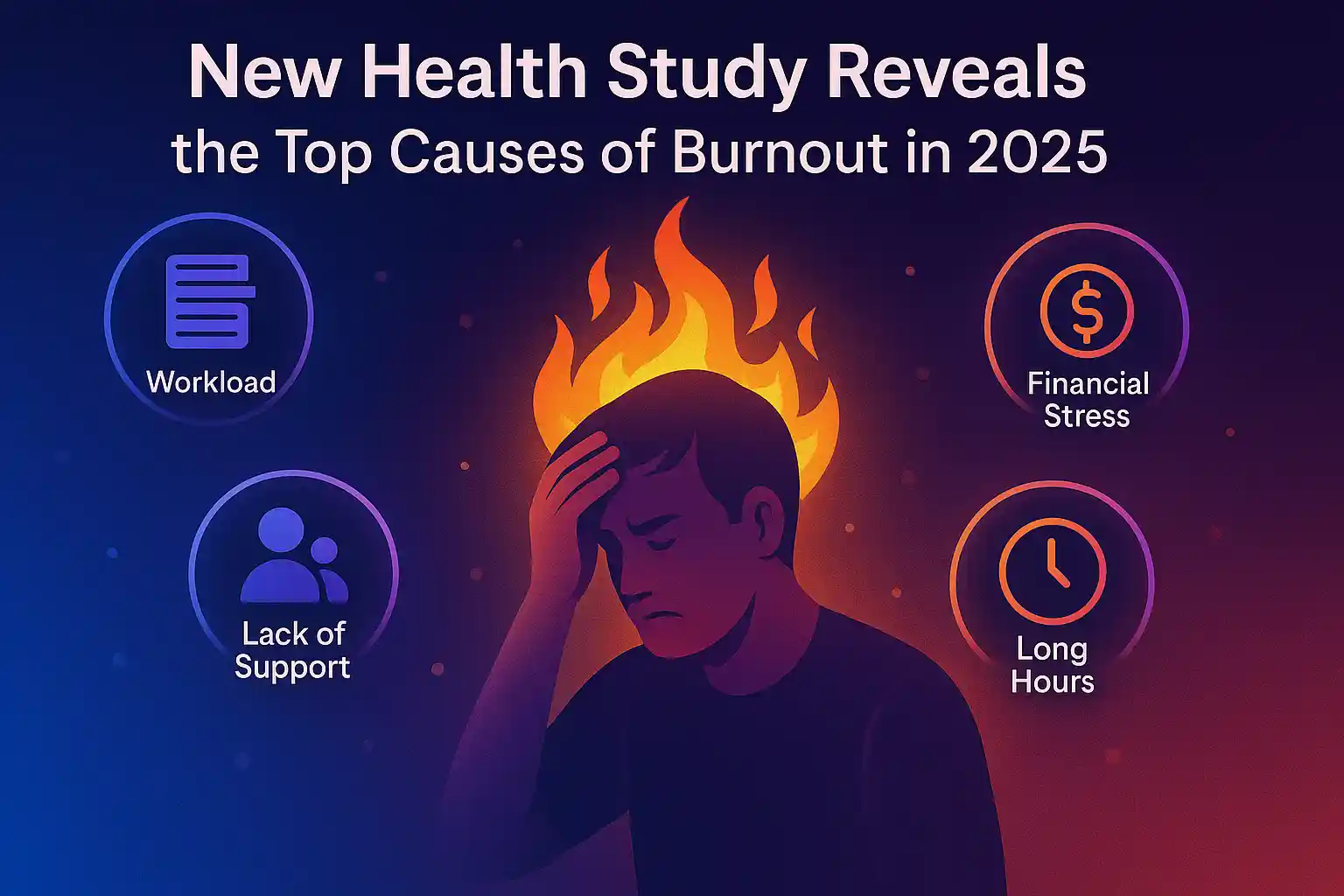


A major new health study in 2025 reveals that burnout is rising faster than ever—affecting employees, leaders, entrepreneurs, caregivers, and even students. With hybrid work, economic uncertainty, and digital overload, burnout is no longer an occasional issue but a chronic global challenge.
Understanding the real causes behind this surge is essential for coaches, leaders, and wellness professionals helping clients navigate stress and maintain well-being.
Why Burnout Rates Are Higher Than Ever in 2025
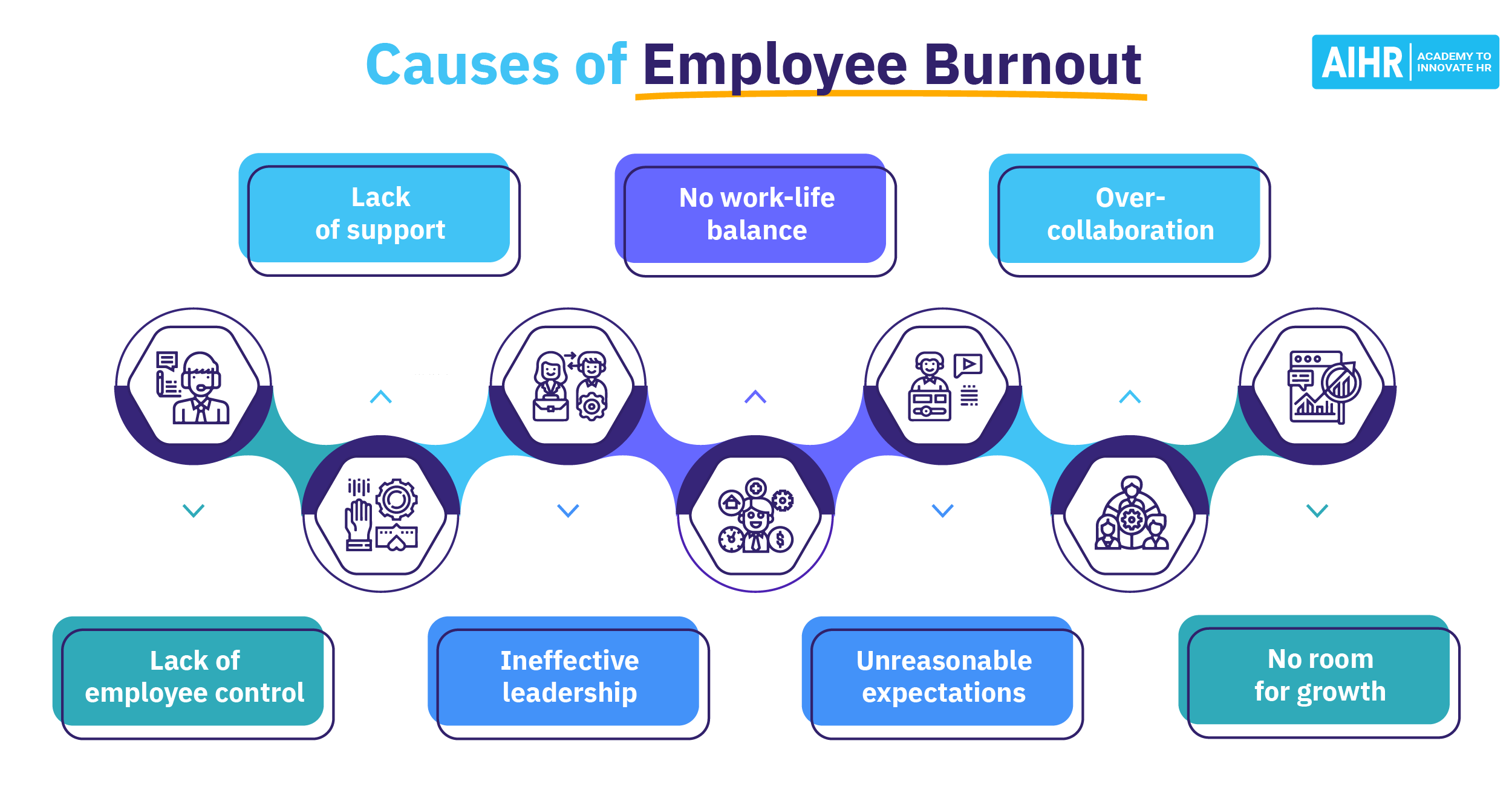
Burnout has shifted from being a workplace complaint to a widespread health concern. The study shows that modern pressures—both digital and emotional—are overwhelming people at faster rates.
Major contributors include:
- Increased workload demands
- Always-on technology
- Blurred boundaries between work and life
- Rising financial and personal stress
- Emotional fatigue and social disconnection
1. Digital Overload & Constant Connectivity

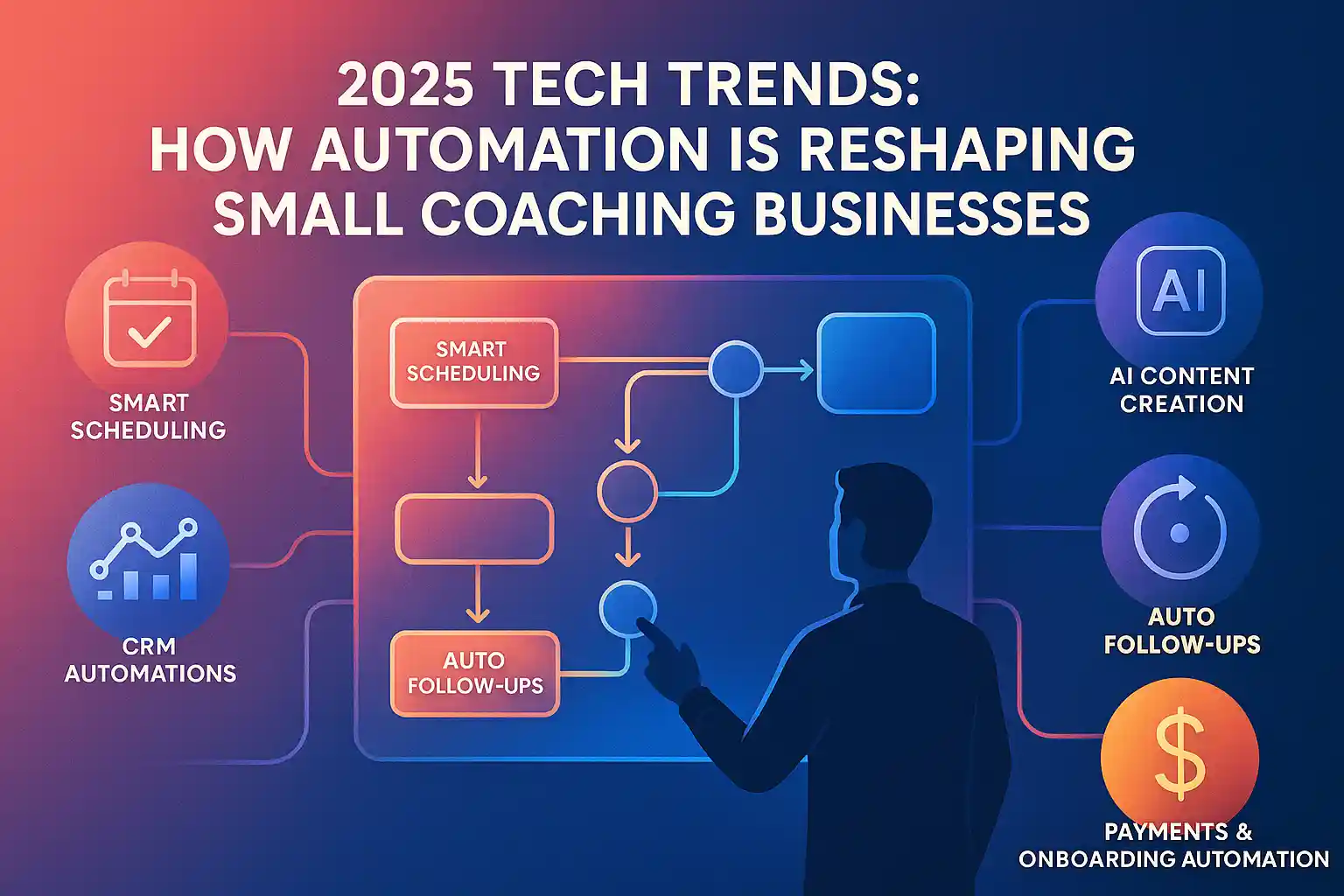
With smartphones, AI tools, notifications, and remote collaboration apps, people are rarely “off.” The study shows that constant digital engagement is one of the strongest predictors of burnout in 2025.
Key issues:
- Too many notifications
- Pressure to reply instantly
- Overuse of digital meetings
- Difficulty disconnecting after work
The human brain simply wasn’t built for nonstop stimulation.
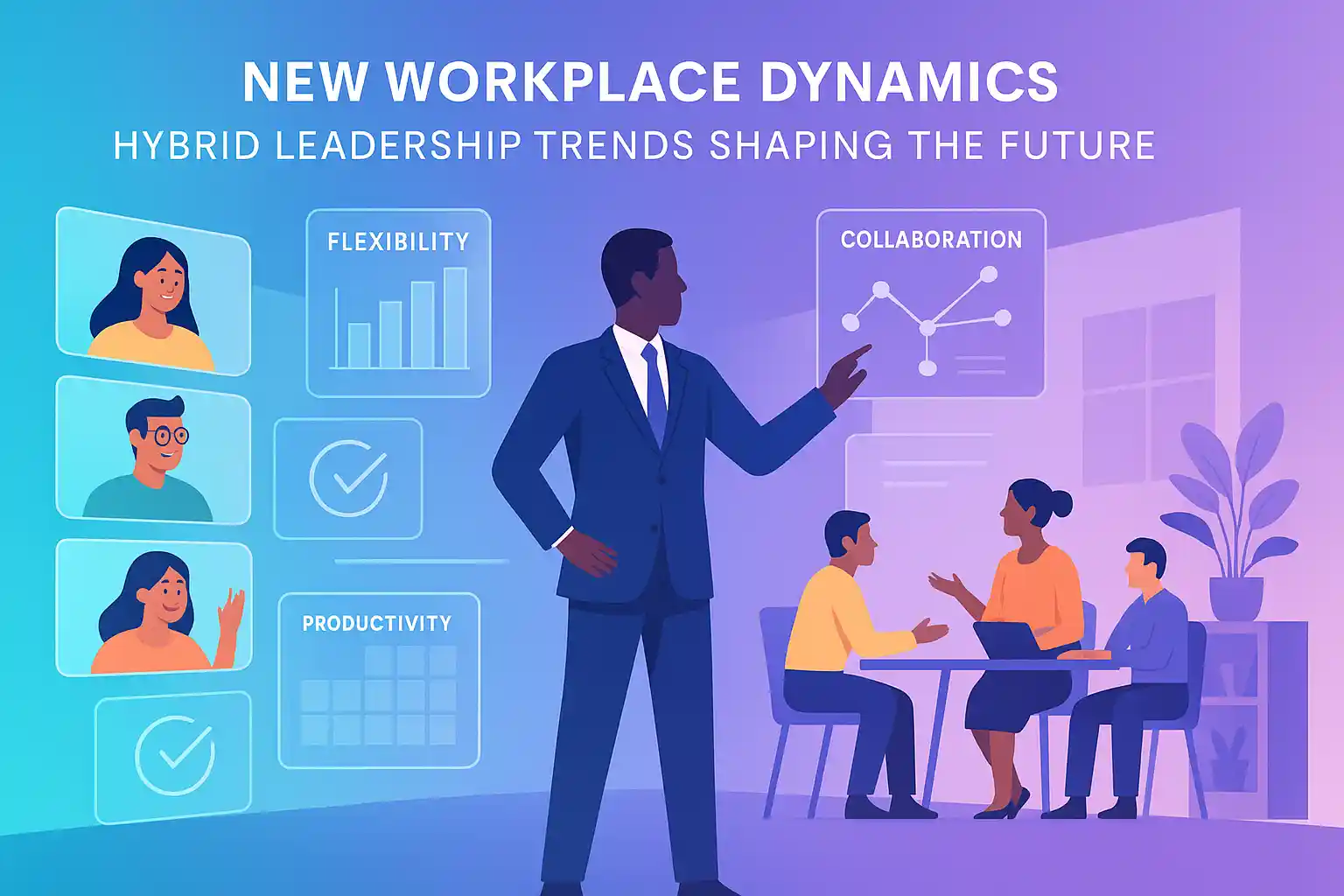
2. Blurred Work-Life Boundaries in Hybrid & Remote Work

Hybrid work has benefits, but it also creates confusion about when work begins and ends. Homes have turned into offices—and the mental separation is disappearing.
Burnout triggers:
- Working late without realizing it
- No psychological transition between roles
- Feeling “always available” to managers or clients
- Lack of personal time and space
Boundary erosion is now a top cause of emotional exhaustion.
3. Rising Role Overload & Unrealistic Expectations
People in 2025 are juggling more roles than ever: employee, parent, caregiver, entrepreneur, student — sometimes all at once.
Key drivers:
- Too many responsibilities
- Productivity pressure
- Increasing workload without support
- High self-expectations and perfectionism
Role overload is especially high among women and young professionals.
4. Emotional Fatigue from Change, Uncertainty & Global Stress

The last few years have brought constant change—economic, environmental, technological, and societal. This emotional turbulence is draining people more than they realize.
Emotional burnout signs:
- Feeling overwhelmed by unpredictability
- Reduced motivation and hope
- Difficulty focusing
- Mental exhaustion even after rest
Emotional fatigue is now a leading cause of loss of productivity.
5. Lack of Social Connection & Support

Despite being more connected digitally, people feel more isolated than ever. The study shows that loneliness is a significant burnout predictor.
Why it happens:
- Fewer in-person interactions
- Disconnected hybrid teams
- Reduced sense of belonging
- Limited emotional support
Human connection is essential for resilience—and many aren’t getting enough of it.
6. Financial Stress & Job Insecurity

Economic uncertainty continues to impact mental health. Rising living costs, unstable markets, and job insecurity are major contributors to the burnout spike.
Common stressors:
- Constant financial worry
- Pressure to take on extra work
- Fear of layoffs or income loss
- Increasing cost of living vs stagnant pay
Financial anxiety drains emotional and cognitive energy daily.
What This Means for Coaches, Leaders & Wellness Professionals

Burnout is no longer solved by rest alone—clients need deeper support, structure, and coping strategies. Coaches now play a critical role in:
- Helping clients set healthier boundaries
- Reducing overwhelm through prioritization
- Teaching emotional regulation techniques
- Guiding clients through life transitions
- Supporting long-term resilience
Burnout coaching is becoming one of the fastest-growing niches in 2025.
What Individuals Should Do to Protect Themselves

To stay mentally and physically healthy in 2025, people must learn proactive habits:
- Create digital boundaries and “offline hours”
- Schedule recovery time intentionally
- Reduce unnecessary commitments
- Strengthen social connections
- Seek support before burnout becomes severe
Small habits create big resilience.
Conclusion
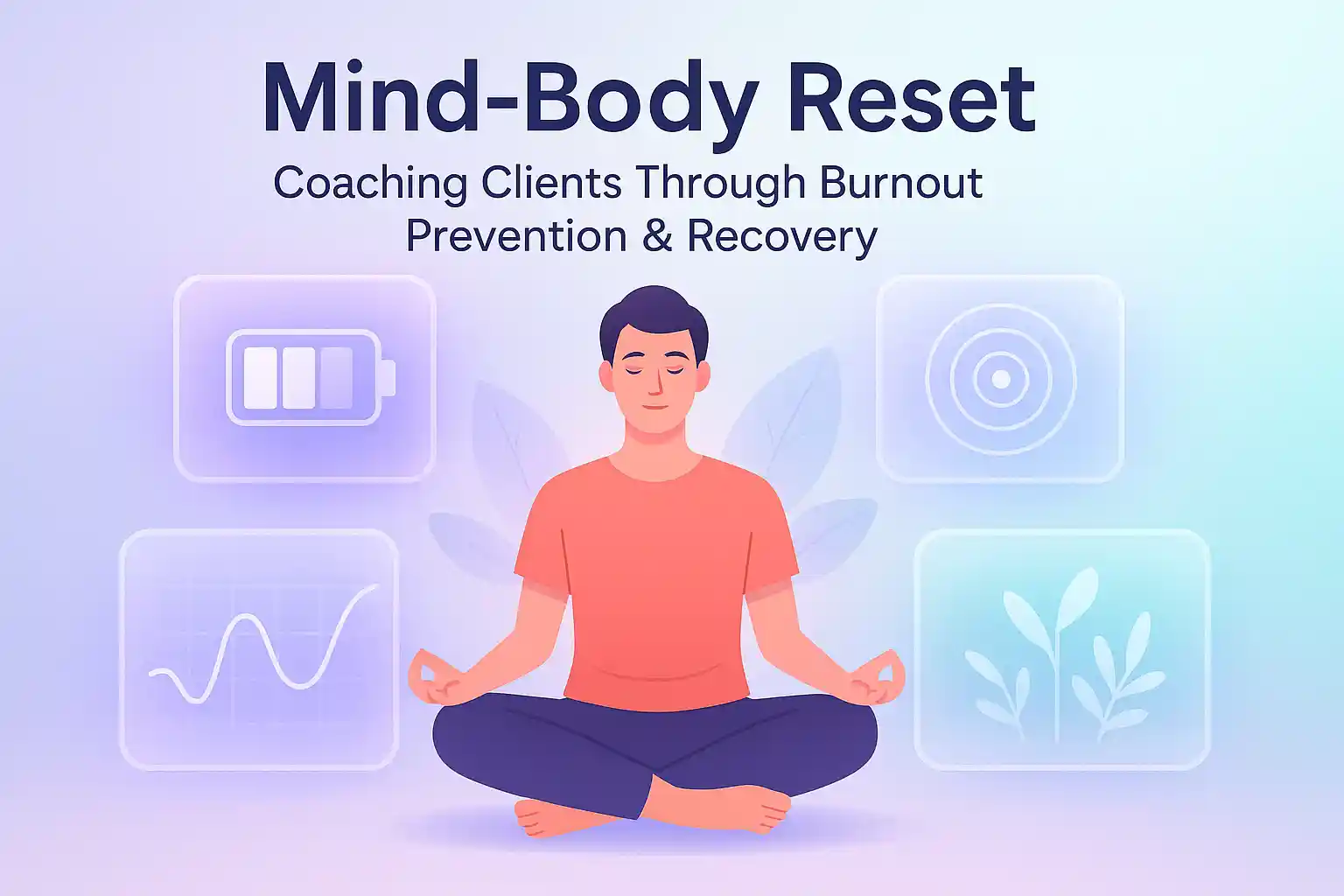
The 2025 burnout study makes one thing clear: burnout is no longer a personal weakness—it’s a systemic issue fueled by modern life, constant connectivity, and rising expectations. But with the right awareness, support, and strategies, individuals and coaches can help reverse the trend.
Burnout isn’t inevitable.
With conscious action, it’s preventable—and even reversible.