
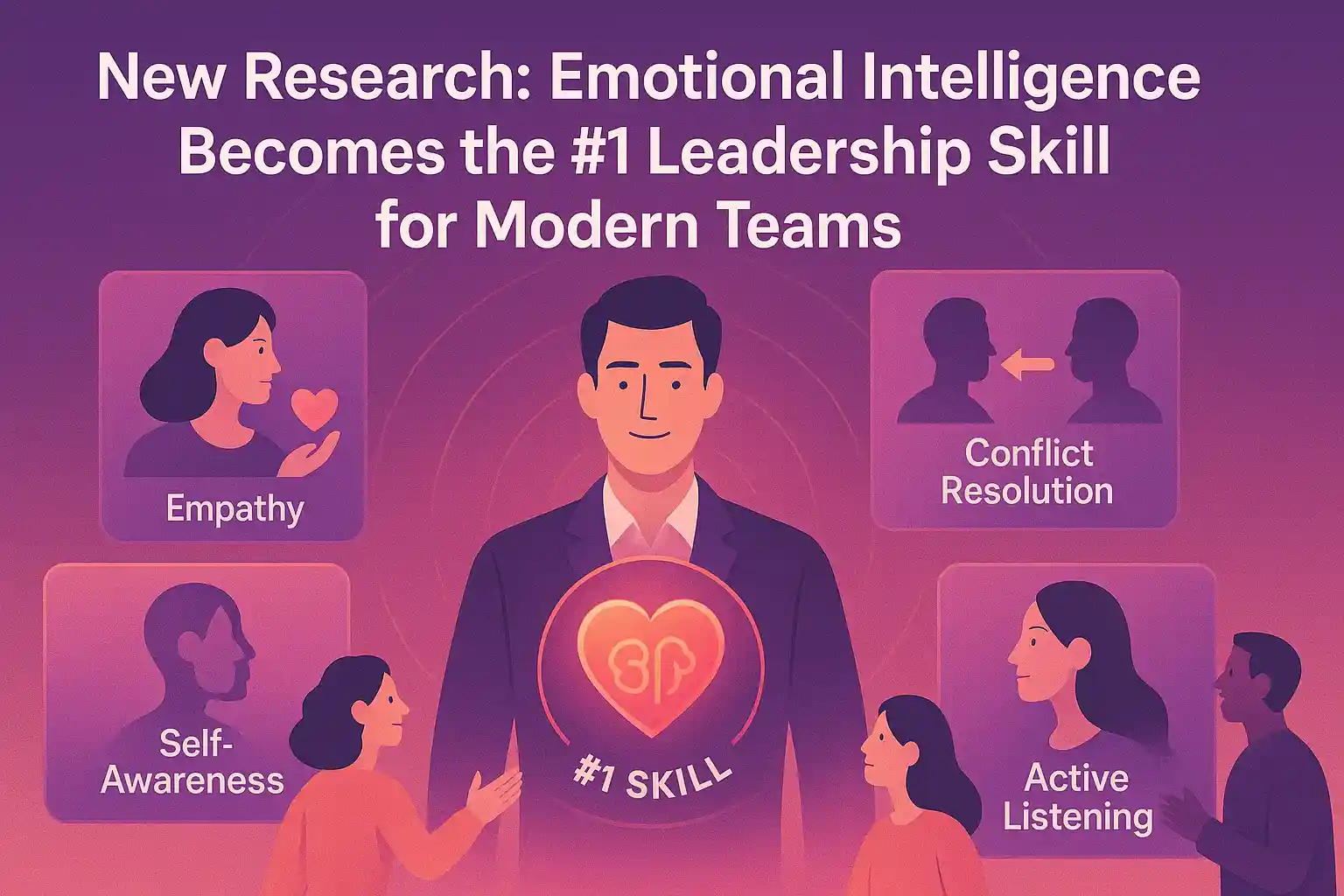

Emotional Intelligence (EI) has officially surpassed technical expertise and traditional management skills as the top leadership requirement for today’s evolving workplaces. With hybrid teams, rapid change, and rising employee expectations, leaders who demonstrate empathy, self-awareness, and interpersonal mastery are outperforming those who rely solely on authority or strategy.
Why Emotional Intelligence Now Outranks All Other Leadership Skills
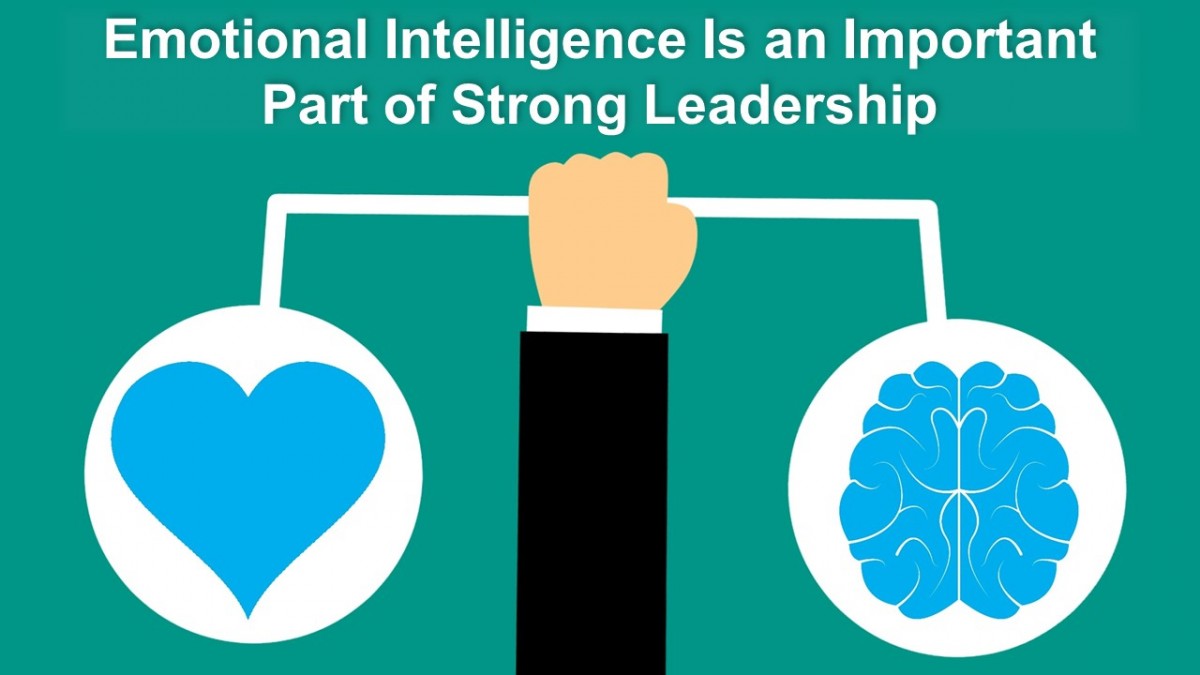
Modern teams want leaders who understand people—not just processes. Emotional Intelligence has become the top skill because it directly impacts:
- Team engagement and motivation
- Communication in hybrid/remote environments
- Conflict resolution and psychological safety
- Trust-building across diverse work cultures
- Adaptability during change or uncertainty
Leaders with strong EI create environments where people feel valued, supported, and empowered—leading to higher performance.
1. Self-Awareness: The Foundation of Modern Leadership

A. Recognizing Personal Strengths & Weaknesses
Self-aware leaders understand their emotional triggers and how they impact their teams.
B. Leading With Humility & Clarity
They acknowledge mistakes, accept feedback, and adjust behaviors accordingly.
C. Making Conscious Decisions
Instead of reacting impulsively, they respond thoughtfully and strategically.
2. Empathy: The Skill Every Team Expects Now

Empathy has shifted from a “nice-to-have” trait to a leadership necessity.
Why empathy matters today:
- Hybrid and remote employees feel more disconnected
- Workloads and stress levels are rising
- Younger generations demand emotionally attuned leadership
- Diverse workplaces require inclusive communication
Leaders who practice empathy build trust and inspire loyalty.
3. Social Awareness & Relationship Building for Hybrid Teams
As teams collaborate across locations and time zones, leaders must develop advanced relational skills.
Key competencies include:
- Reading emotional cues through digital communication
- Ensuring remote workers feel included
- Addressing conflicts proactively
- Encouraging open dialogue and psychological safety
Strong relational skills make hybrid work feel more human.
4. Emotional Regulation: Staying Calm Under Pressure

Leaders are facing more challenges than ever—budget pressure, rapid change, shifting employee expectations.
Emotionally regulated leaders:
- Stay calm in crises
- Provide stability for their teams
- Make rational, grounded decisions
- Reduce emotional contagion and stress
Teams model leaders’ emotional states—so regulation is crucial.
5. Communication Mastery: The EI Skill That Drives Performance
EI-enhanced communication is clear, empathetic, transparent, and respectful.
EI-powered communication helps leaders:
- Navigate difficult conversations
- Deliver feedback constructively
- Resolve conflicts peacefully
- Build alignment across teams
Emotional intelligence turns communication from transactional to transformational.
6. How Leadership Coaches Can Use This Research to Support Clients

As EI becomes the top leadership skill, leadership coaches must adjust their methods and offerings.
Growing coaching opportunities:
- EI assessments and emotional profiling
- Leadership presence and self-awareness training
- Empathy and communication development
- Stress management and emotional regulation programs
- Hybrid-team relationship mastery
- Conflict resolution and trust-building tools
Coaches who specialize in EI will see rising demand across industries.
7. What Organizations Should Do Next
Forward-thinking companies are already integrating EI into:
- Leadership development programs
- Performance evaluations
- Hiring and talent assessment
- Manager onboarding
- Team-building efforts
Embedding EI into culture leads to better engagement, reduced turnover, and stronger performance.
Conclusion
Emotional Intelligence has officially become the most critical leadership skill of the modern era. As workplaces grow more digital, diverse, and fast-paced, leaders who master EI will be the ones who build stronger teams, navigate uncertainty confidently, and inspire sustainable success.
For leadership coaches, this shift represents a powerful opportunity to develop deeper, more impactful coaching programs that meet the true needs of today’s leaders.