






The newest sleep research in 2025 reveals groundbreaking insights into how sleep affects energy, metabolism, emotional health, and long-term well-being. For wellness coaches, understanding these findings is essential for helping clients improve daily performance, mental clarity, and resilience.
Why Sleep Is the Core of Modern Wellness

Sleep is no longer viewed as optional recovery—it’s now recognized as a biological reset essential for cognitive, emotional, and physical functioning.
Key reasons sleep matters more than ever:
- Higher stress & digital overload
- More hybrid/remote work fatigue
- Increased emotional strain
- Greater metabolic imbalances
- Rising burnout and anxiety rates
Sleep is the foundation of all wellness habits.
1. Sleep Cycles Matter More Than Total Hours

New studies show that completing full sleep cycles (typically 90 minutes each) is often more important than how long someone sleeps.
Coaches should teach clients:
- Aim for 4–6 completed cycles
- Track sleep quality, not just duration
- Avoid waking up mid-cycle (which causes grogginess)
- Use smart alarms or cycle calculators
Better cycles = better recovery.
2. Light Exposure Is the #1 Factor Affecting Sleep Hormones

Researchers confirm that morning sunlight and reduced late-night blue light dramatically improve sleep quality.
Wellness coaches should emphasize:
- Getting 5–10 minutes of morning sunlight
- Reducing screen use 1–2 hours before bed
- Using warm lighting at night
- Keeping bedrooms dark and cool
Light controls the body’s internal clock—and most people ignore it.
3. Sleep and Mental Health Are More Connected Than Ever

Sleep directly influences mood, emotional regulation, and stress levels.
Current research shows:
- Poor sleep increases anxiety and irritability
- Quality sleep improves emotional resilience
- Sleep impacts decision-making and focus
- Chronic sleep loss increases burnout risk
Coaches must integrate sleep work into stress-management conversations.
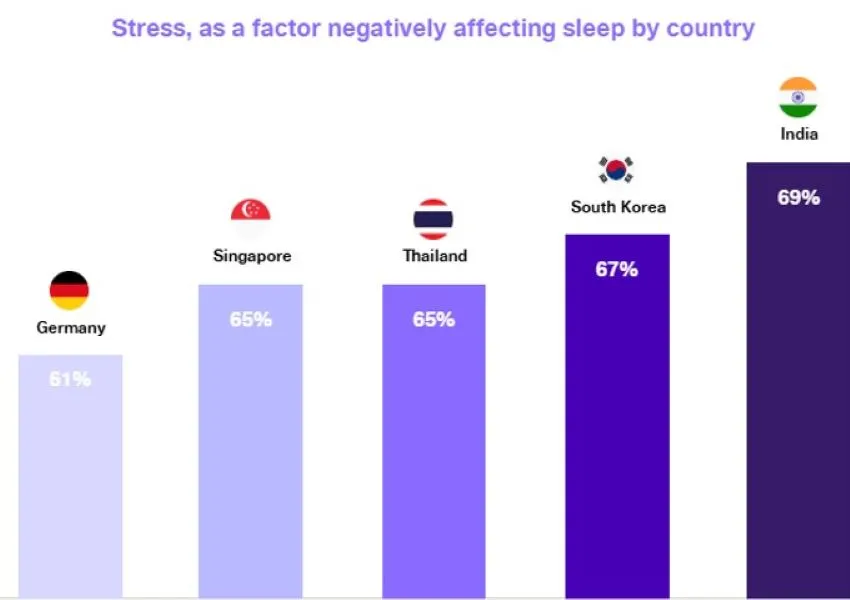
4. Micro-Stressors Throughout the Day Reduce Sleep Quality at Night
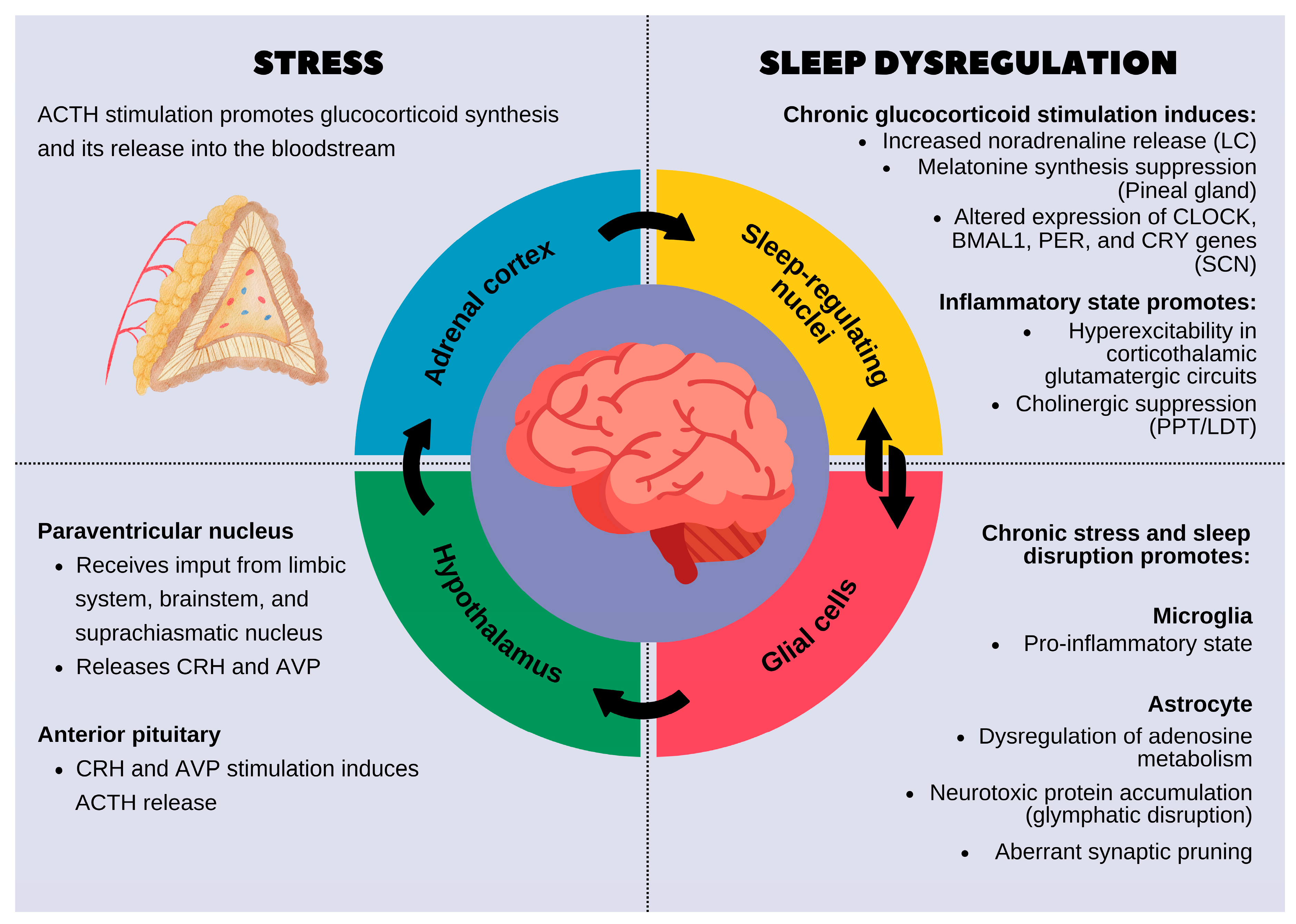
It’s not just major stress—tiny daily stressors (notifications, small frustrations, task-switching) create sleep-disrupting physiological pressure.
Coaches can teach clients to:
- Reduce multitasking
- Plan short mental breaks
- Practice boundary-setting
- Wind down gradually before bed
Even “small stress” affects the nervous system.
5. Nutrition Timing Has a Bigger Impact Than Expected

Research shows that when clients eat matters almost as much as what they eat.
Key findings:
- Eating 2–3 hours before bed improves sleep quality
- Late-night snacks disrupt melatonin
- High-sugar evening foods increase night waking
- Magnesium-rich foods aid relaxation
Wellness coaches can integrate sleep-friendly nutrition guidance.
6. Sleep Deprivation Impacts Metabolism More Dramatically Than Thought

New data shows that poor sleep:
- Lowers metabolic rate
- Increases cravings (especially sugar)
- Weakens impulse control
- Makes workouts feel harder
- Slows weight-loss progress
Clients struggling with fitness or nutrition goals often just need better sleep.
7. Napping Is Back—But Timing Is Everything

Short naps (10–20 minutes) improve alertness and mood, but longer naps may disrupt nighttime sleep.
Coaches should recommend:
- Keep naps under 25 minutes
- Nap before 3 PM
- Avoid napping if struggling with insomnia
Naps can be a powerful part of a wellness routine when used correctly.
What This Means for Wellness Coaches
Sleep is now one of the most important modules in wellness coaching programs.
Coaches should begin integrating:
- Sleep hygiene assessments
- Cycle-based sleep planning
- Stress reduction and nervous-system calming
- Digital detox strategies
- Personalized bedtime routines
- Lifestyle changes that optimize circadian rhythms
Clients want energy, clarity, and balance—sleep delivers all three.
What Clients Can Start Doing Immediately
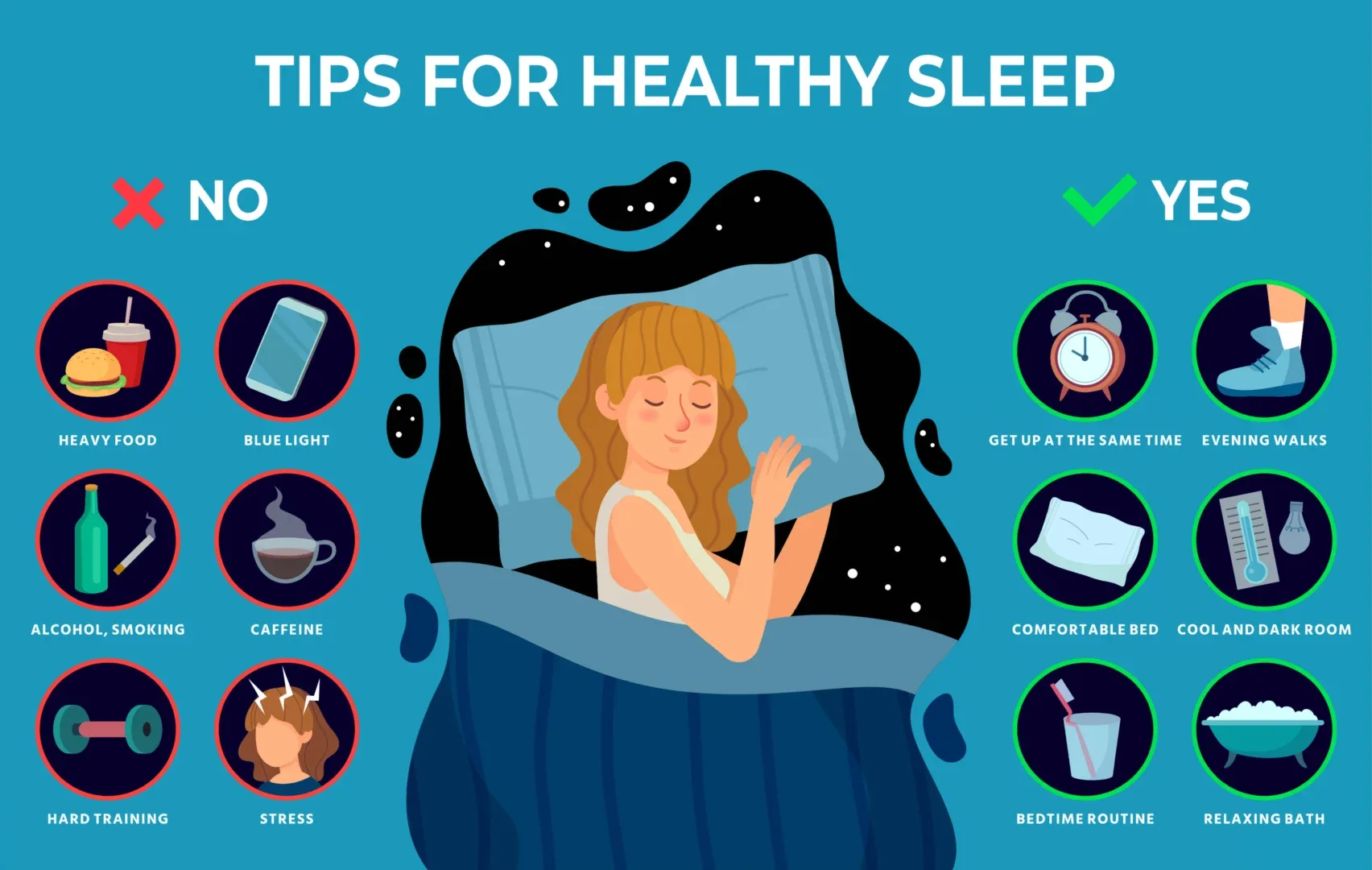
Action steps clients can take today:
- Get morning sunlight within 60 minutes of waking
- Set a consistent sleep and wake time
- Reduce evening screen exposure
- Practice deep breathing or mindfulness before bed
- Keep the bedroom cool, dark, and quiet
- Avoid heavy meals late at night
Small habits lead to major sleep improvements.
Conclusion
The newest sleep research confirms that quality sleep is the foundation of mental, emotional, and physical well-being. For wellness coaches, teaching science-backed sleep habits is no longer optional—it’s essential. Helping clients optimize sleep can dramatically enhance their energy, mood, performance, and overall life satisfaction.
Well-rested clients make better decisions, stay more consistent, and experience deeper transformation.