
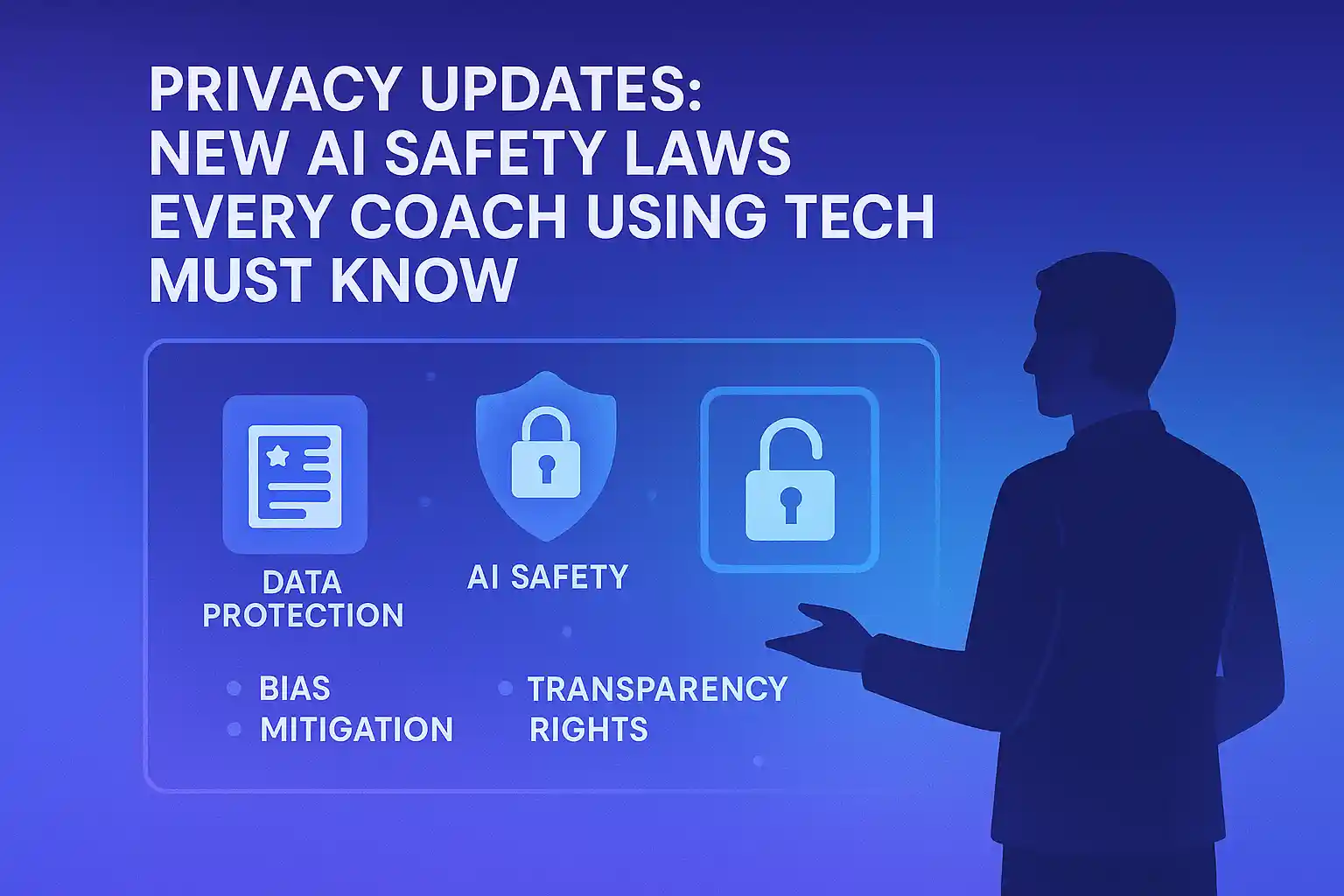


As AI tools become more embedded in coaching—from session summaries to client insights—new global privacy and safety laws are emerging. Coaches who use AI must understand these regulations to stay compliant, protect client data, and maintain trust. These laws affect life coaches, business coaches, wellness coaches, leadership coaches, and anyone using AI platforms in their practice.
Why AI Safety Laws Matter for Coaches

Coaching involves sensitive information—emotions, mental blocks, personal goals, career challenges. When AI tools store, analyze, or process this data, coaches become responsible for ensuring privacy and ethical use.
Key reasons these laws matter:
- Protecting client confidentiality
- Avoiding legal risks or penalties
- Maintaining professional credibility
- Ensuring safe use of emerging technologies
AI can enhance coaching—but only when used responsibly.
1. Stronger Rules on Client Data Storage & Protection

New laws require stricter handling of client data, especially when using AI-powered coaching tools.
Coaches must ensure:
- Client data is stored securely
- Platforms used have strong data protection practices
- Sensitive notes or assessments remain confidential
- Only essential data is collected
If your AI tool isn’t transparent about data usage, it’s a red flag.
2. Transparency Requirements: Clients Must Know AI Is Being Used
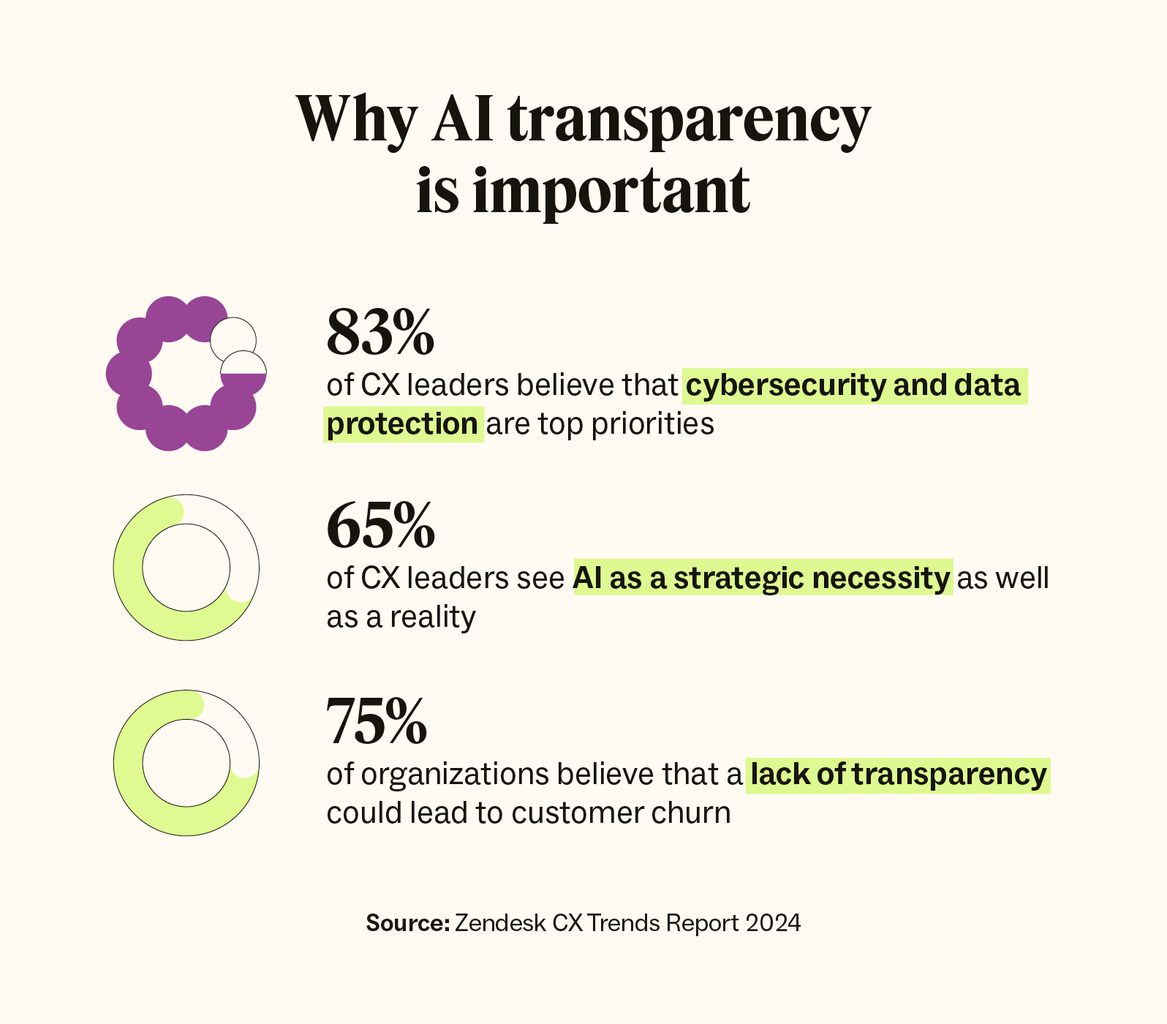
Many new AI regulations require coaches to inform clients when AI is assisting in any part of the coaching process.
This includes AI involvement in:
- Session note generation
- Progress reports
- Chat-based micro-coaching
- Assessments or insights
- Content or framework creation
Clear communication builds trust and meets compliance requirements.
3. Consent Rules: Clients Must Agree Before AI Processes Their Data
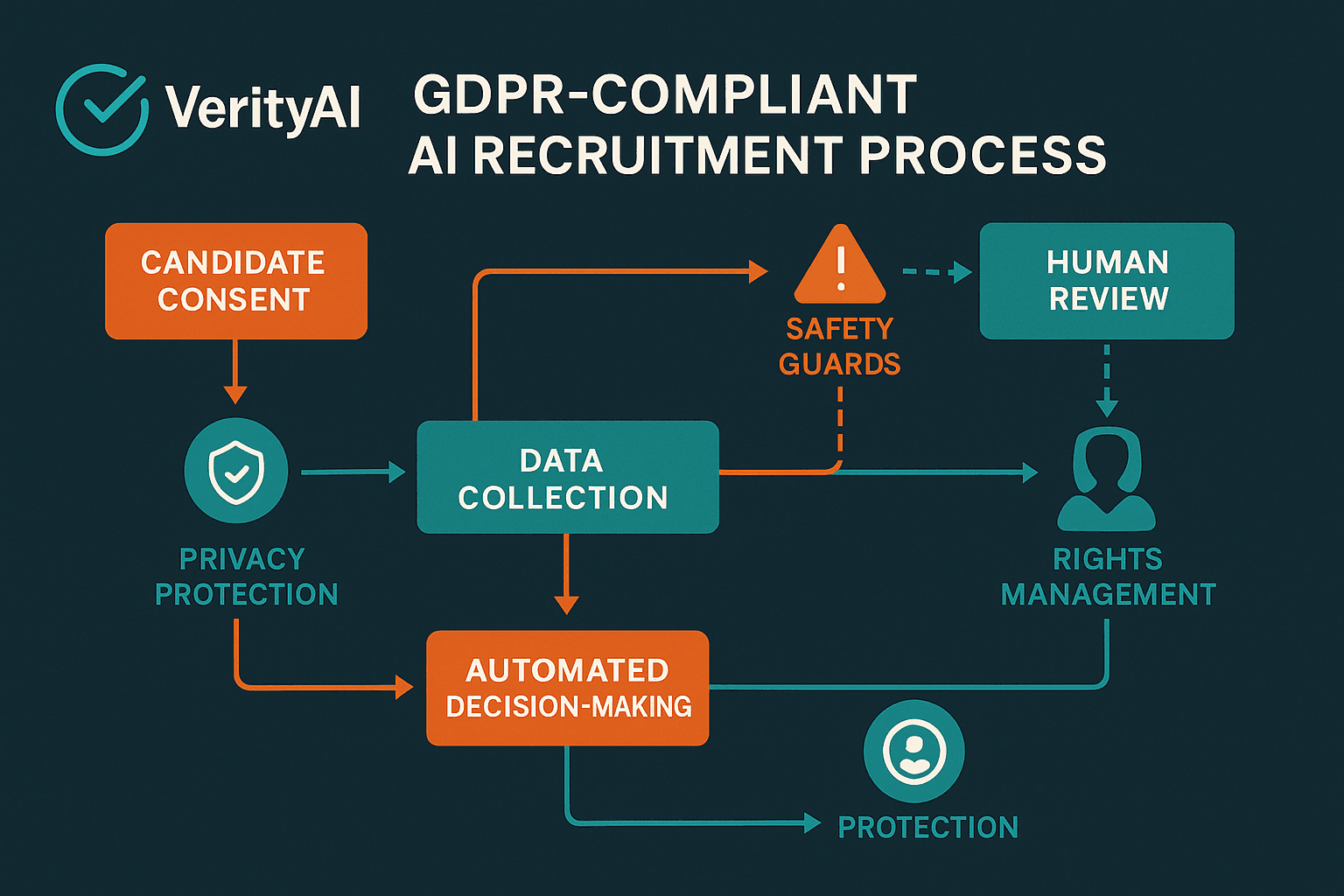
Coaches now need explicit permission before using AI tools that:
- Store personal information
- Analyze behavior patterns
- Offer AI-generated recommendations
- Create personalized coaching paths
A simple addition to your welcome form or coaching agreement can ensure compliance.
4. Limits on AI Decision-Making in Coaching Contexts
AI cannot replace human judgment in coaching—new regulations reinforce this.
Coaches must:
- Review AI-generated insights
- Retain final decision-making authority
- Avoid letting AI dictate emotional or behavioral guidance
- Ensure all transformation work is human-led
AI is a tool—not the coach.
5. New Rules for AI Accuracy, Bias & Fairness

Laws now target accuracy, non-discrimination, and fairness of AI outputs. Coaches using AI for assessments, reports, or recommendations must ensure:
- The AI isn’t biased
- Output is cross-checked by the coach
- AI suggestions are not taken as absolute truths
- Clients’ cultural and personal contexts are considered
AI errors can cause misunderstandings—human oversight is essential.
6. Platform Accountability: Coaches Must Choose Safe AI Tools

Regulations increasingly hold professionals responsible for the tools they choose.
Before selecting an AI tool, coaches should check:
- Whether the tool follows strong privacy protocols
- How data is stored and used
- Whether clients can delete their data
- If the platform offers transparency reporting
- If it provides safety and content filters
Choosing unsafe tools can expose both coach and client to risk.
7. What Coaches Should Do to Stay Compliant in 2025 and Beyond

Immediate action steps:
- Update coaching agreements with AI disclosure & consent
- Audit the AI tools you currently use
- Limit the personal data you input into third-party apps
- Offer clients the option to opt out of AI-assisted features
- Stay informed as laws evolve across regions
- Build a simple AI safety checklist for your practice
Being proactive protects your clients—and your business.
Conclusion
AI is transforming coaching, but it comes with new responsibilities. As global privacy and safety laws become stricter, coaches must adapt by being transparent, ethical, and intentional with how they use AI tools. The coaches who stay compliant will build stronger trust, reduce risk, and deliver safer, more empowering experiences for their clients.
AI is powerful—but using it wisely is the true mark of a modern coach.