







When a business enters a crisis—declining revenue, cash-flow shortages, team dysfunction, market disruption—the path to recovery can feel overwhelming. In these turbulent moments, business coaches become catalysts for clarity, stability, and strategic renewal.
Business turnarounds require a unique blend of leadership, emotional intelligence, financial discipline, and rapid transformation. A skilled coach doesn’t simply provide advice—they help clients navigate uncertainty, rebuild confidence, and reignite momentum with a structured turnaround strategy.
In this comprehensive guide, you’ll learn the art and science of business turnarounds, the essential phases, and how coaches can guide clients from crisis to long-term resilience.
🔍 Understanding a Business Turnaround
A business turnaround is the process of restoring an underperforming or failing business to sustainable health and profitability.
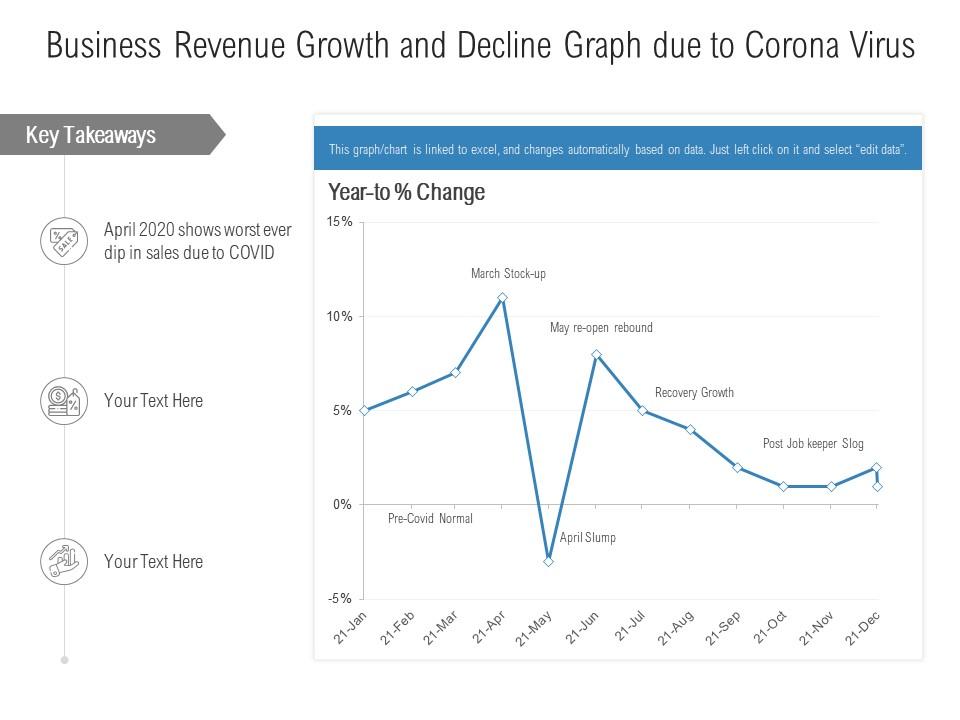


It typically involves:
- Diagnosing root causes
- Rebuilding cash flow
- Restructuring teams or operations
- Repositioning in the market
- Reviving leadership confidence
- Implementing bold strategic shifts
For coaches, this requires calm leadership and an objective perspective, helping clients navigate emotionally charged business decisions with clarity.
⚠️ Signs a Business Is Entering Crisis
Coaches often spot trouble before the business owner admits it.
Common red flags include:



1. Declining sales or inconsistent cash flow
The most obvious indicator that operations or demand is weakening.
2. High employee turnover
Often caused by poor culture, burnout, or unclear direction.
3. Increasing debt or delayed payments
Cash shortages signal deeper structural issues.
4. Customer complaints or lost accounts
A sign of service disruptions or declining quality.
5. Leadership paralysis
Owners stop making decisions, hoping problems will “fix themselves.”
Recognizing these signs early allows coaches to intervene before damage worsens.
🧭 The Coach’s Role in Business Turnarounds
A turnaround coach does far more than offer solutions—they become a strategic partner, stabilizer, and confidence builder.



Key roles a coach plays:
- Objective Diagnostician – identifying the real root problems
- Crisis Stabilizer – bringing calm energy and clarity
- Strategist – creating a tailored turnaround plan
- Accountability Partner – ensuring disciplined follow-through
- Leadership Coach – strengthening the CEO’s mindset
In crisis, business owners don’t just need strategy—they need mental resilience and courage to make tough choices.
🛠 The 5-Phase Turnaround Framework for Coaches
Every successful business turnaround follows a similar structure. Here is the coaching model that works consistently:
1. Stabilize the Situation (Stop the Bleeding)
Before growth, you must regain control.



Focus areas:
- Cash flow assessment
- Cost containment
- Emergency budget creation
- Prioritizing essential operations
- Leadership emotional stabilization
Goal: Stop immediate losses and create stability within the first 30–60 days.
2. Diagnose the Root Cause
A failing business is rarely caused by one issue. Coaches must uncover the real reasons behind decline.
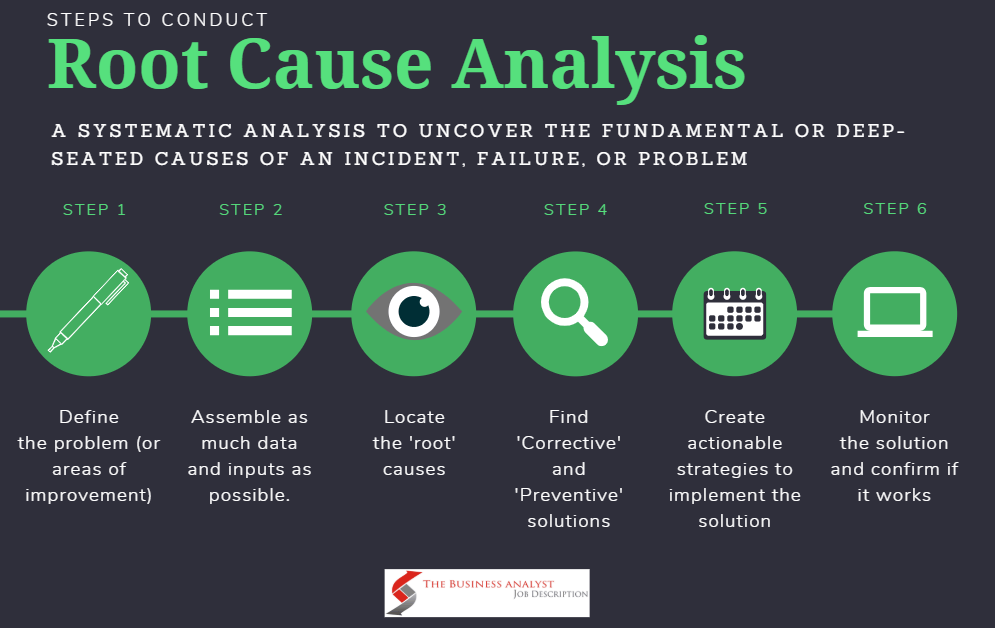


Tools coaches use:
- SWOT analysis
- Customer feedback
- Market repositioning reviews
- Team performance assessments
- Financial audits
Many crises stem from:
- Weak leadership
- Poor sales systems
- Outdated business models
- Inefficient operations
- Lack of innovation
Diagnosis sets the foundation for strategic recovery.
3. Strategize the Turnaround Plan
Once the cause is clear, you create a bold but realistic roadmap.

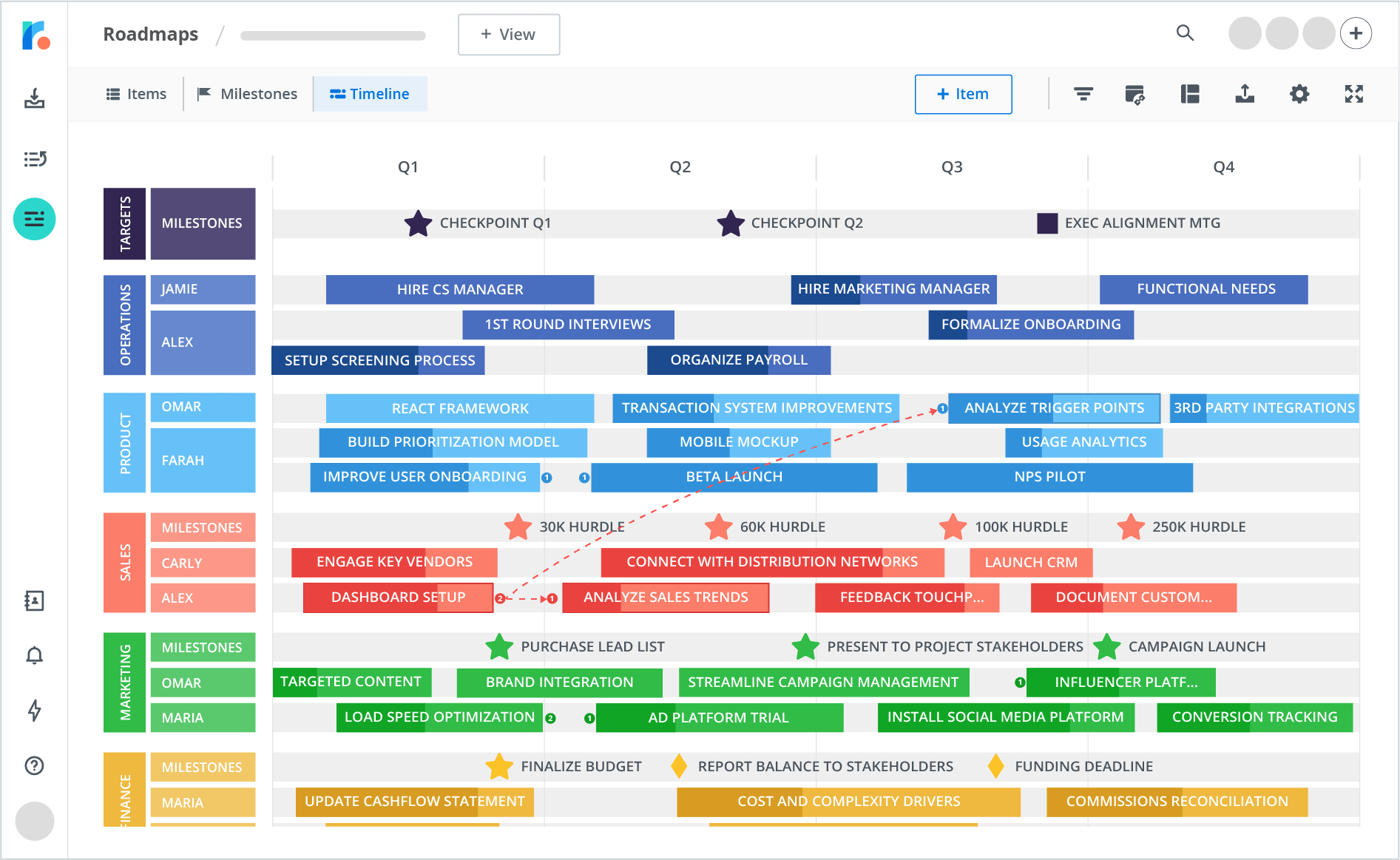

A strong turnaround strategy includes:
- Reallocating resources
- Reinventing offerings
- Sales/marketing repositioning
- Team restructuring
- Leadership development
- Clear 90-day priorities
The plan should be simple, focused, and measurable.
4. Implement With Precision
Implementation is where many turnarounds fail—without consistent action, strategy is useless.

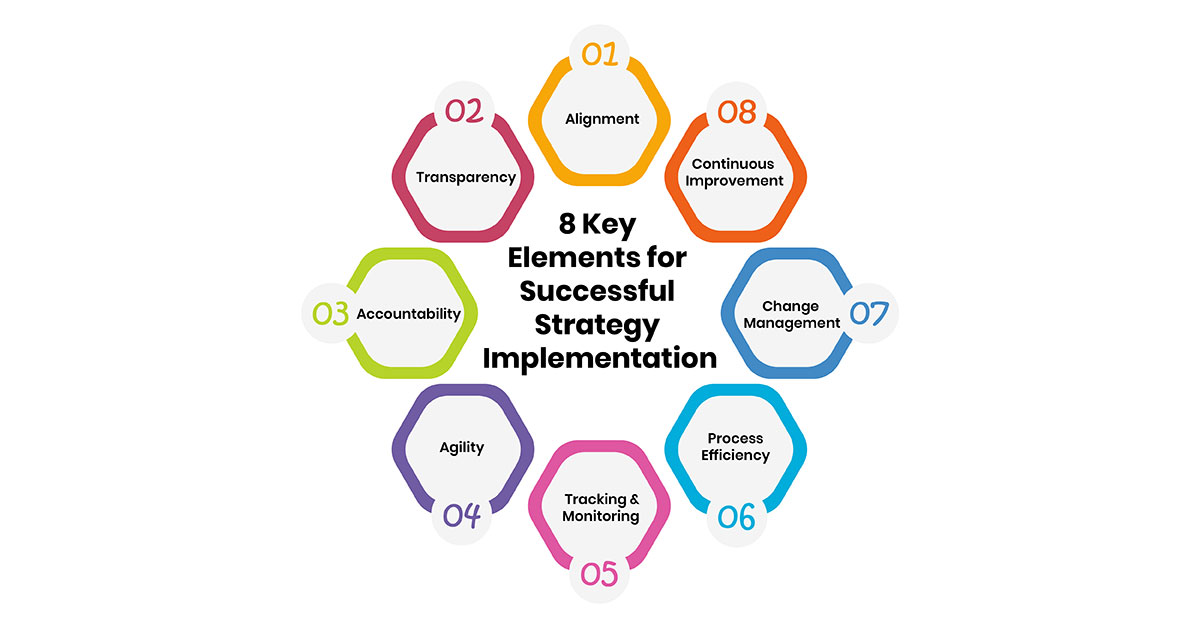

Coaches help clients:
- Execute weekly priorities
- Improve team communication
- Monitor KPIs
- Manage change resistance
- Build momentum
Coaching maintains accountability, clarity, and morale during the hardest phase.
5. Sustain and Scale
Once the business is back to stability, the focus shifts to long-term resilience.
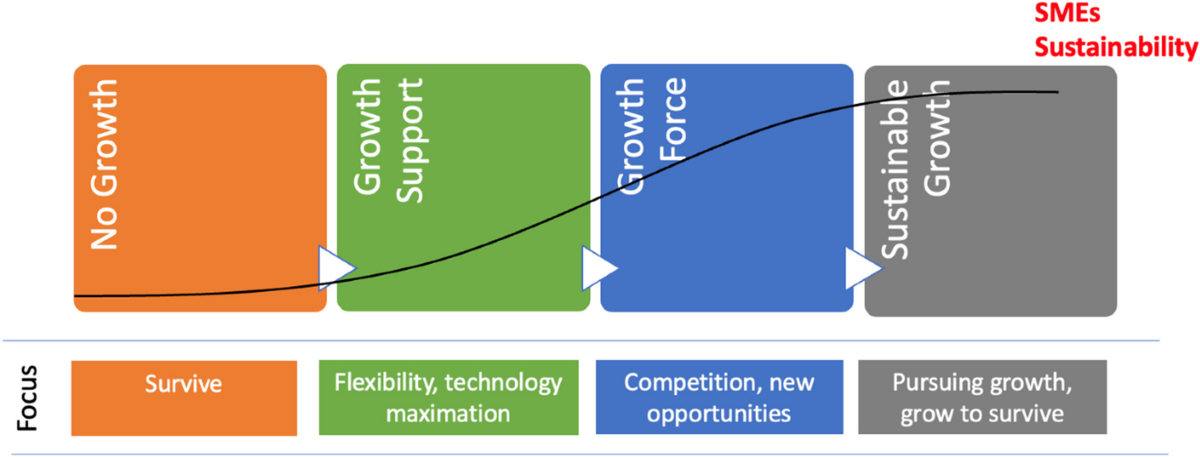

Coaches guide clients to:
- Build repeatable systems
- Strengthen leadership capacity
- Expand profitable offerings
- Improve customer experience
- Create long-term strategic plans
This phase transforms a saved business into a future-proof one.
💡 Key Coaching Skills for High-Stakes Turnarounds
To succeed in crisis situations, coaches need skills beyond typical business mentoring.



Essential skills include:
1. Radical Clarity
Distilling complexity into simple decisions.
2. Emotional Intelligence
Helping clients stay emotionally strong during chaos.
3. Decisive Leadership
Coaching clients to act fast and decisively.
4. Strategic Thinking
Connecting short-term actions with long-term goals.
5. Conflict Management
Guiding difficult conversations with teams or partners.
6. Accountability Coaching
Ensuring daily progress and follow-through.
Turnaround coaching is part psychology, part strategy, part leadership training.
🧩 Common Mistakes Clients Make During Crisis
Coaches help clients avoid dangerous traps such as:



- Ignoring financial red flags
- Cutting the wrong expenses
- Reacting emotionally instead of strategically
- Trying to “do everything”
- Delaying tough decisions
- Failing to communicate with the team
- Losing confidence and momentum
Awareness prevents poor decisions that worsen the crisis.
📘 Case Study Example (Optional Section)
(If you want, I can create a detailed fictional or real-type case study to strengthen your article.)
🚀 Why Turnaround Coaching Is More Important Than Ever
In today’s fast-changing economy, businesses face:
- Market disruptions
- Rising costs
- Global competition
- Digital transformation
- Leadership burnout
- Economic unpredictability



Turnaround coaches are becoming essential—not optional—for organizations facing turbulence.
Businesses need strategic partners who can guide them through uncertainty with certainty.
✨ Final Thoughts: The Art of Coaching Through Crisis
The art of business turnarounds blends strategy, psychology, leadership, and transformation. A great coach helps clients navigate crisis with confidence, clarity, and a structured pathway to recovery.
When done right, turnaround coaching doesn’t just save businesses—it reshapes them into stronger, smarter, more resilient organizations.