
Happiness isn’t just a feeling — it’s a learnable skill, shaped by mindset, habits, environment, and emotional awareness. For lifestyle coaches, understanding the psychology of happiness is essential to helping clients build lives filled with meaning, joy, and lasting wellbeing.
Modern research from positive psychology, neuroscience, and behavioral science reveals powerful tools that coaches use to help clients cultivate sustainable happiness — not just temporary pleasure.
This article explores the science-backed techniques lifestyle coaches use to help clients lead happier, more balanced lives.
🌞 Understanding the Psychology of Happiness
Psychologists agree that happiness has two components:
1. Hedonic Happiness (Short-term pleasure)
Momentary emotions like joy, excitement, fun.
2. Eudaimonic Happiness (Long-term fulfillment)
A deeper sense of meaning, purpose, and life satisfaction.
Lifestyle coaching focuses on balancing both, helping clients shift away from quick dopamine hits toward habits that support long-term wellbeing.
Research shows that 40% of our happiness is influenced by intentional activities (Seligman, Positive Psychology), meaning coaches can play a powerful role in guiding change.
🧠 The Science Behind Happiness: Key Drivers

Happiness is influenced by:
- Neuroscience → dopamine (motivation), serotonin (contentment), oxytocin (connection), endorphins (stress release)
- Environment → social connection, lifestyle choices, habits
- Cognition → beliefs, interpretations, thought patterns
- Behavior → daily routines, physical activity, gratitude
Coaches help clients activate these pathways using evidence-based tools.
✨ Science-Backed Tools Lifestyle Coaches Use to Boost Happiness
Below are the most effective positive psychology tools used worldwide.
1. Gratitude Training (Proven to Increase Happiness Over Time)
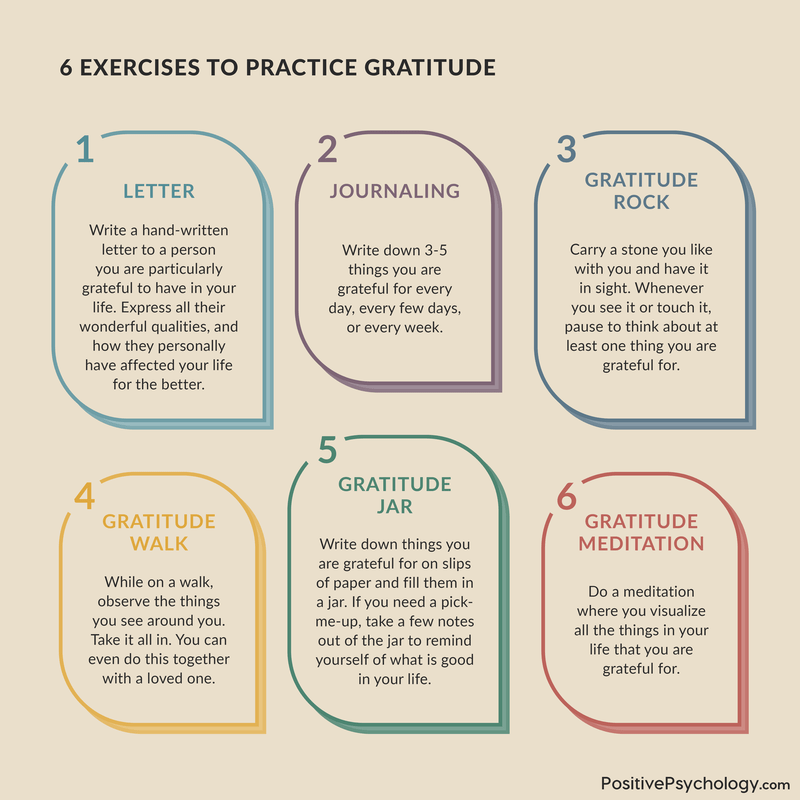
Studies show gratitude can increase happiness by 25% after just 10 weeks.
Coaching practices include:
- Gratitude journaling
- Appreciation lists
- Expressing gratitude to others
- Noticing micro-moments of joy
Gratitude rewires the brain for positivity.
2. Strengths Identification (A Key Predictor of Fulfillment)
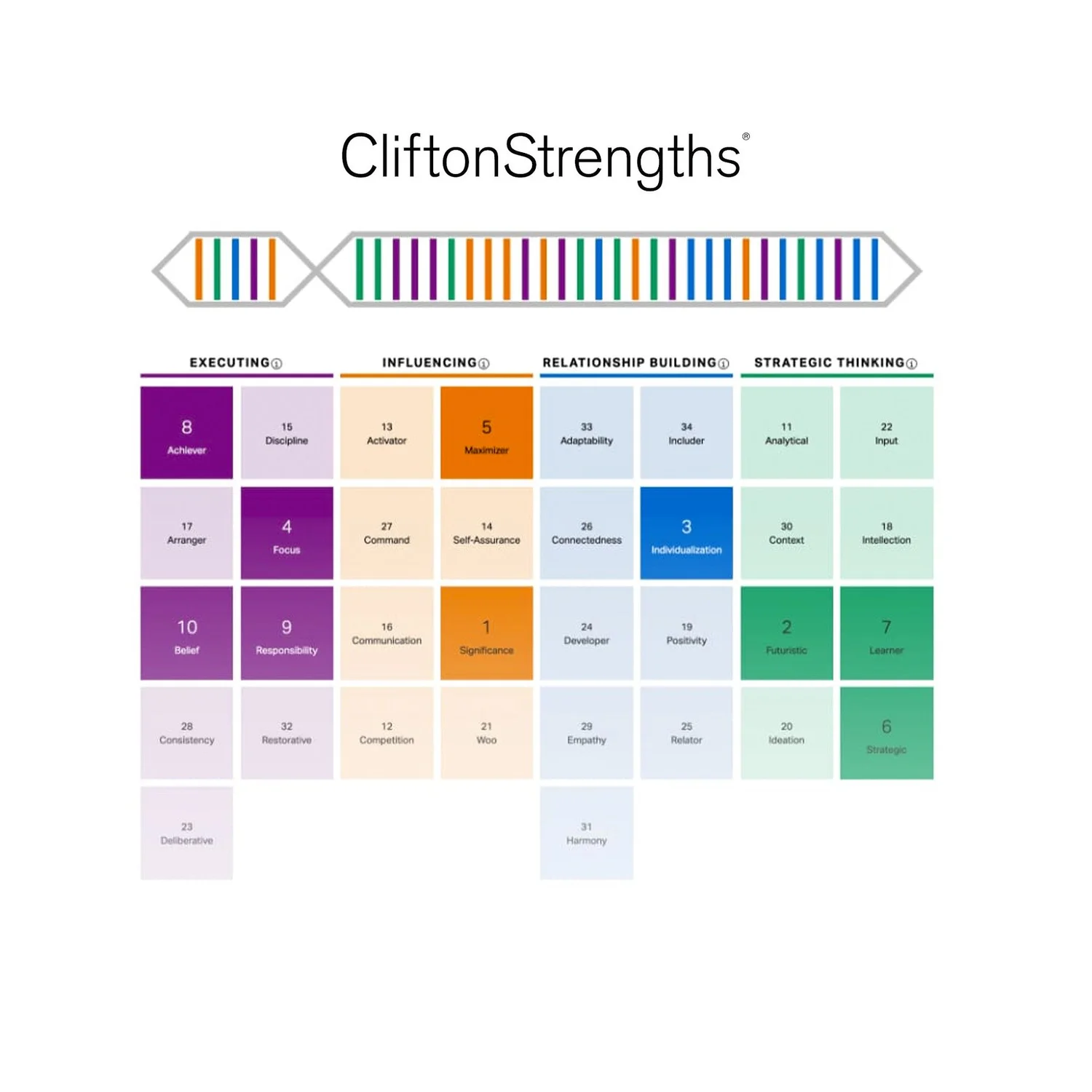
People are happiest when they use their strengths daily.
Coaches use:
- VIA Character Strengths assessment
- CliftonStrengths (StrengthsFinder)
- Strengths-based habit design
Clients learn to make decisions based on what they’re naturally great at — reducing stress and increasing joy.
3. Mindfulness & Presence Training
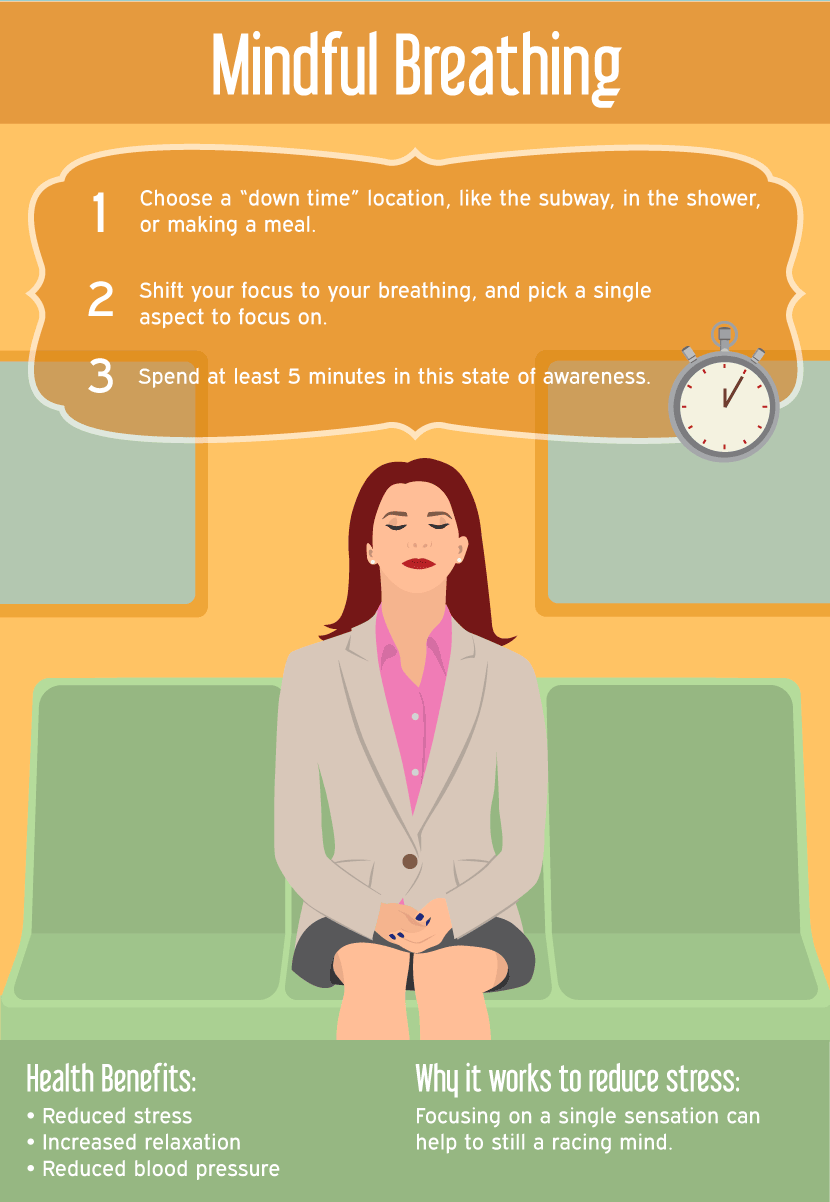
Mindfulness has been shown to:
- Reduce anxiety
- Increase happiness
- Strengthen emotional regulation
Lifestyle coaches guide clients to:
- Practice mindful breathing
- Use grounding techniques
- Build present-moment awareness
- Pause before reacting
This reduces mental clutter and increases peace.
4. Habit Redesign for Daily Joy

Happiness is built on micro-habits, such as:
- Morning sunlight
- Daily movement
- Creative expression
- Digital boundaries
- 10-minute joy rituals
Coaches help clients build routines that support emotional wellbeing rather than drain it.
5. Cognitive Reframing (Changing the Thought → Happiness Pathway)

Cognitive reframing helps clients adjust negative thinking patterns.
Coaches teach clients to ask:
- “Is this thought true?”
- “Is there another perspective?”
- “What’s within my control?”
- “What story am I telling myself?”
This shifts the brain away from stress and toward resilience.
6. Purpose & Meaning Work (The Happiness Multiplier)

Purpose is strongly linked to long-term happiness.
Lifestyle coaches guide clients to define:
- Core values
- Life mission
- Ideal lifestyle
- Impact goals
When clients live in alignment with purpose, happiness becomes natural—not forced.
7. Social Connection Building (The #1 Predictor of Happiness)
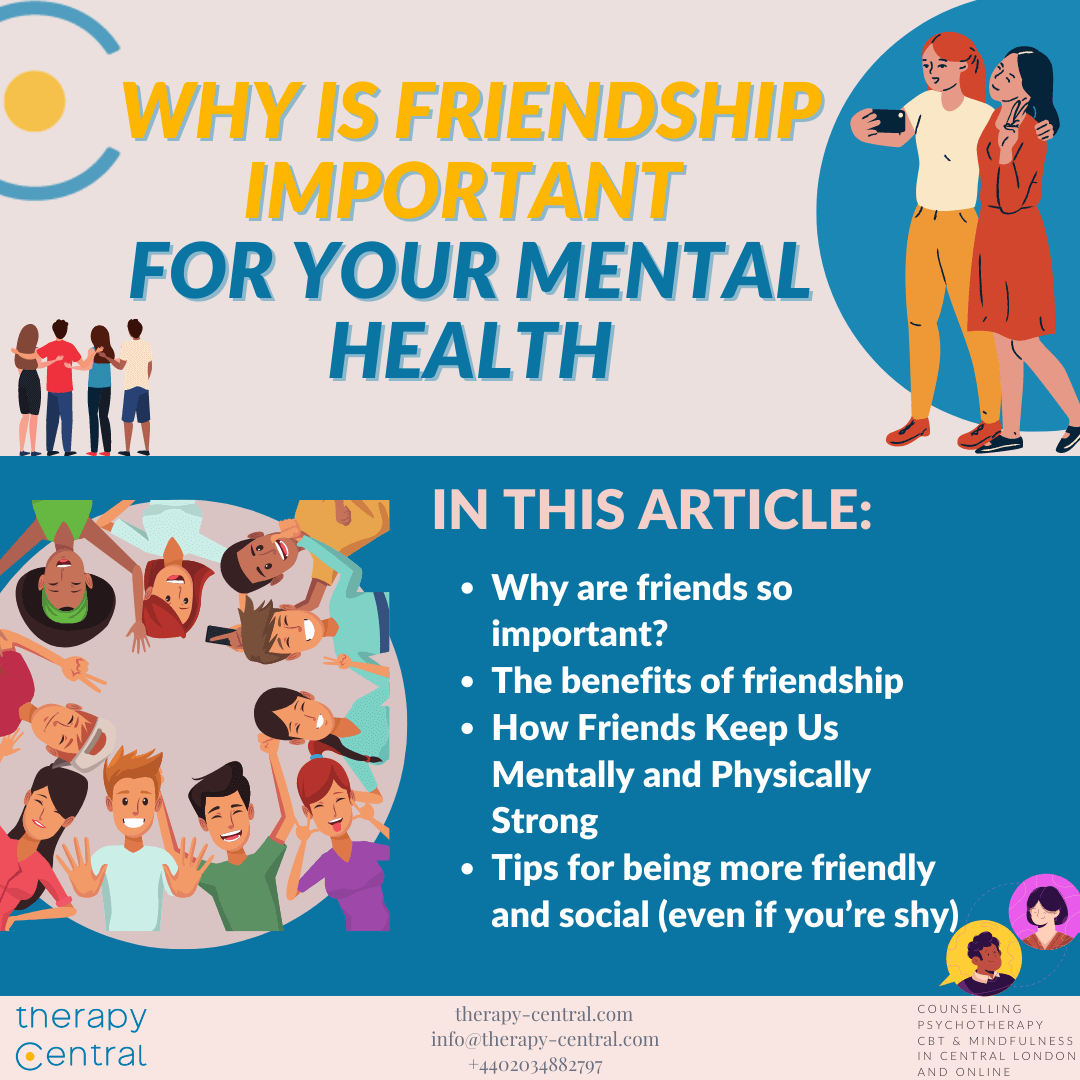
Harvard’s 85-year happiness study concluded:
Strong relationships = stronger wellbeing and longer life.
- Strengthen friendships
- Build deeper emotional connections
- Engage in community
- Improve communication skills
Connection is a happiness superpower.
8. Emotional Regulation Tools

Happiness is not about feeling good all the time — it’s about handling emotions with skill.
Coaching tools include:
- Breathwork
- Somatic techniques
- Naming emotions
- The “Feel it to heal it” method
- Stress reduction practices
Clients learn to move through emotions without being overwhelmed.
9. Future Visioning & Intentional Living
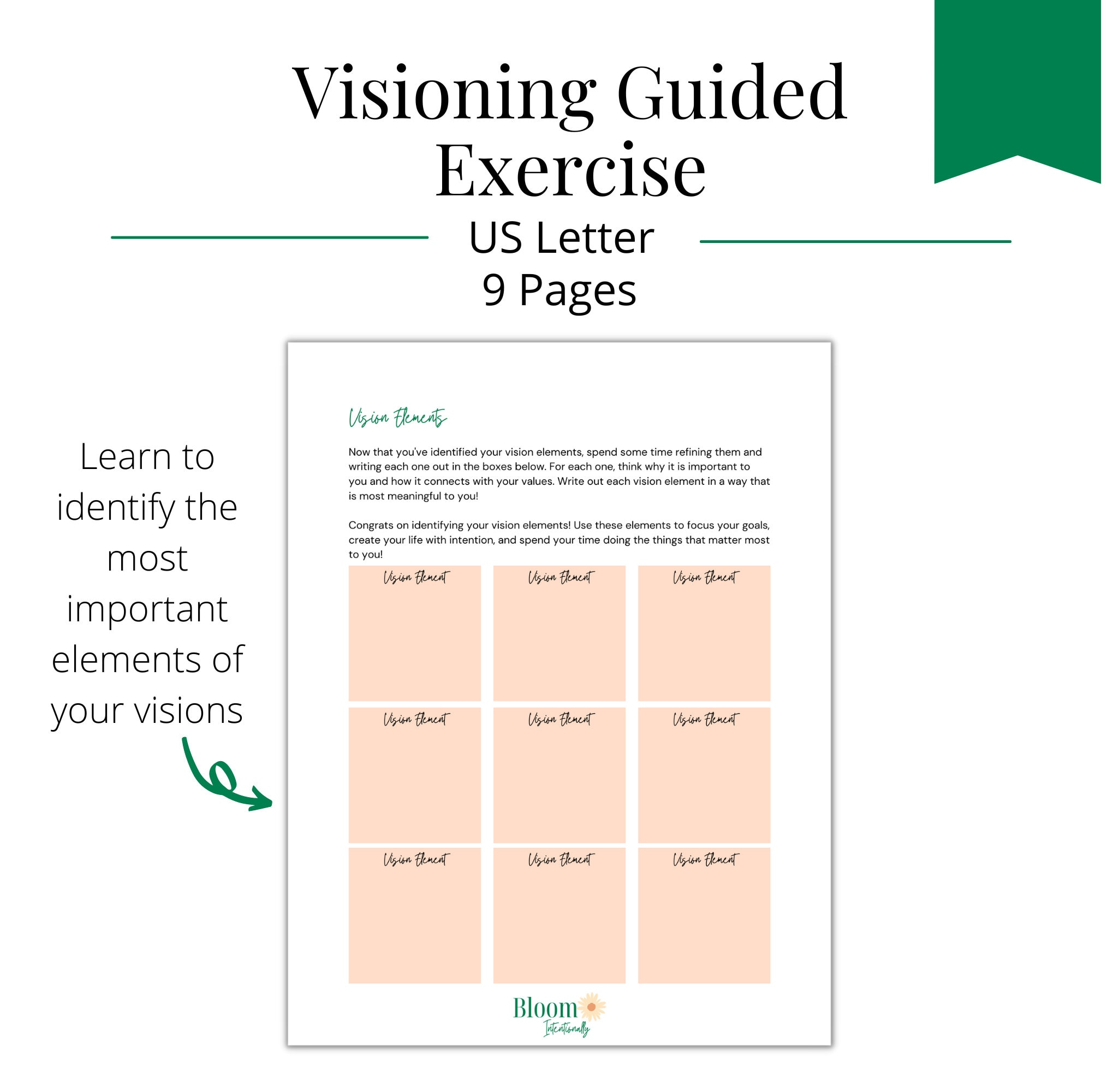
Future visioning helps clients imagine — and then create — a life aligned with happiness.
This includes:
- Vision boards
- Ideal day mapping
- Lifestyle design planning
- Goal imagery exercises
The brain is motivated by compelling futures.
🌍 Why Lifestyle Coaches Are Essential for Happiness Today

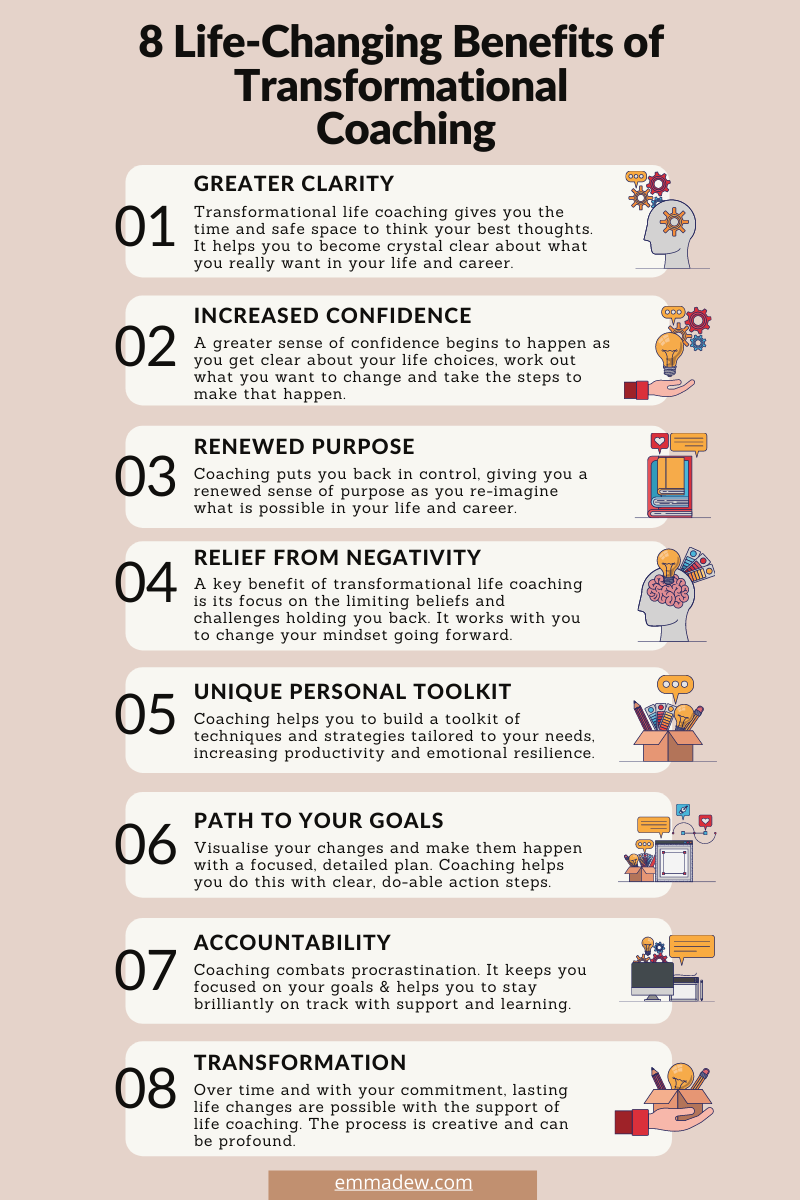
In a world of burnout, chronic stress, and digital overload, lifestyle coaches help clients:
- Slow down
- Reconnect with what matters
- Build sustainable wellbeing
- Replace autopilot living with intentional choices
Happiness becomes a practice, not a distant dream.
✨ Final Thoughts: Happiness Is Built, Not Found
The psychology of happiness shows that joy is not accidental — it’s the result of daily intentional actions rooted in science.
Lifestyle coaches help clients:
- Rewire their brains
- Build happiness-supporting habits
- Strengthen emotional skills
- Create meaningful relationships
- Live with clarity and purpose
With the right tools, any client can experience lasting happiness, not just temporary moments of joy.
Happiness is not the outcome — it’s the pathway.