
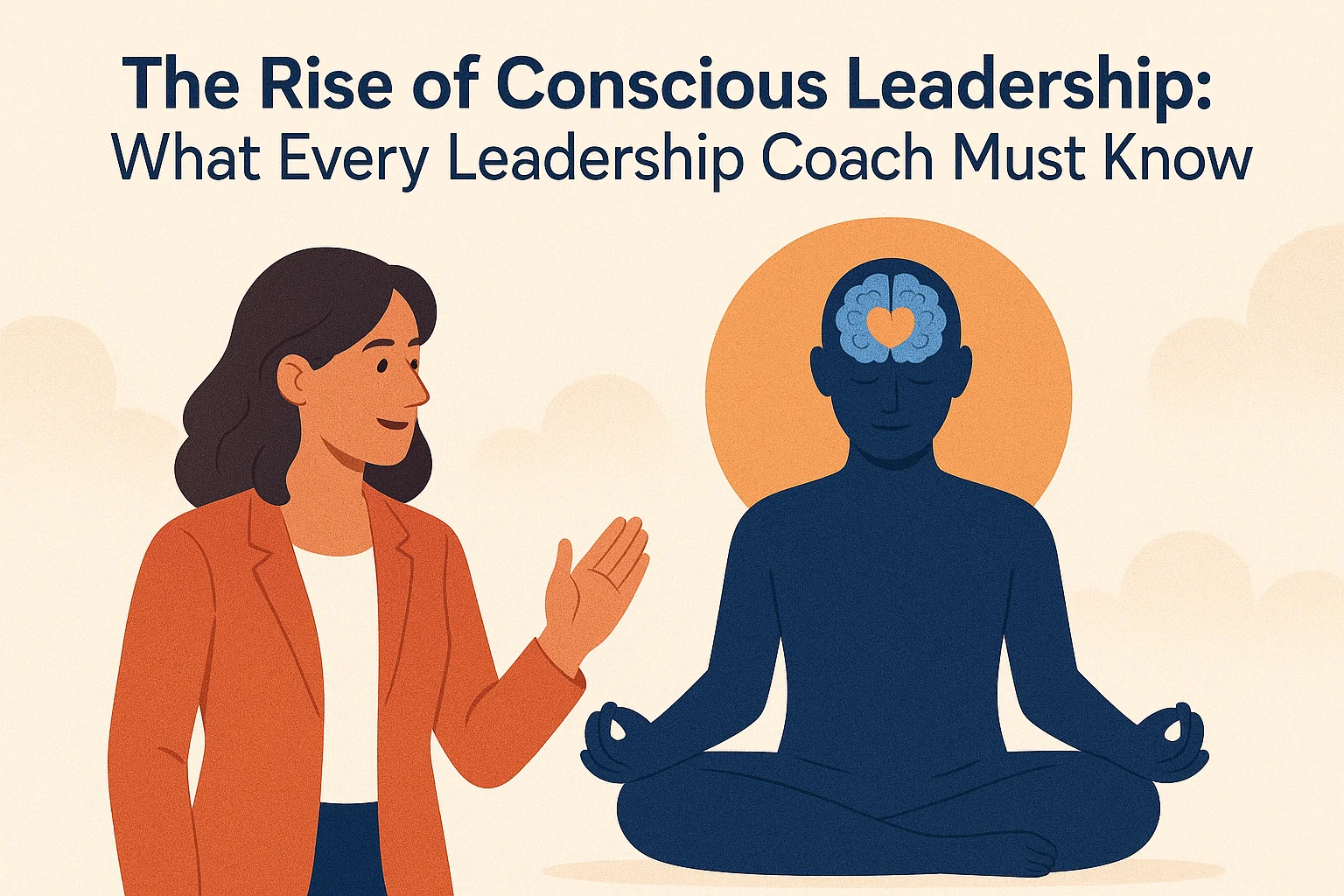

Leadership is evolving—and rapidly. The leaders of today are expected to be more than decision-makers; they must be self-aware, emotionally intelligent, present, ethical, and deeply human. This shift has given rise to a new paradigm known as Conscious Leadership.
For leadership coaches, understanding this movement is no longer optional—it’s essential. Conscious leadership is transforming how people lead teams, build companies, and create impact in the world.
This article breaks down what leadership coaches must know to stay relevant and effective in this new era.
🌱 What Is Conscious Leadership?


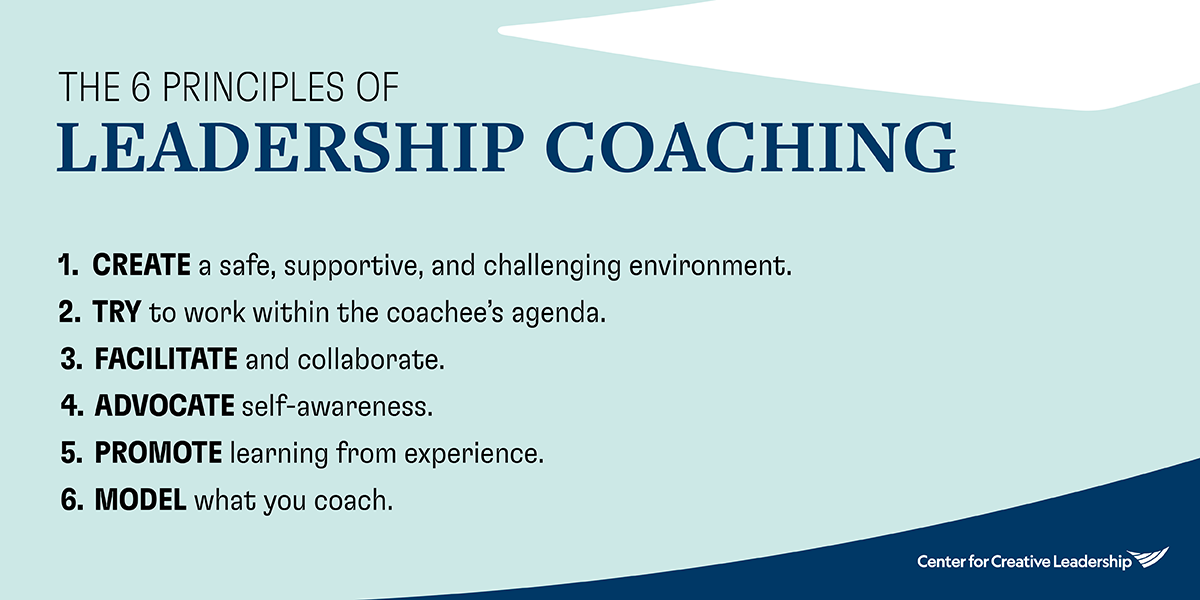
Conscious leadership is a style of leading where the leader operates from:
- Self-awareness
- Integrity
- Mindfulness
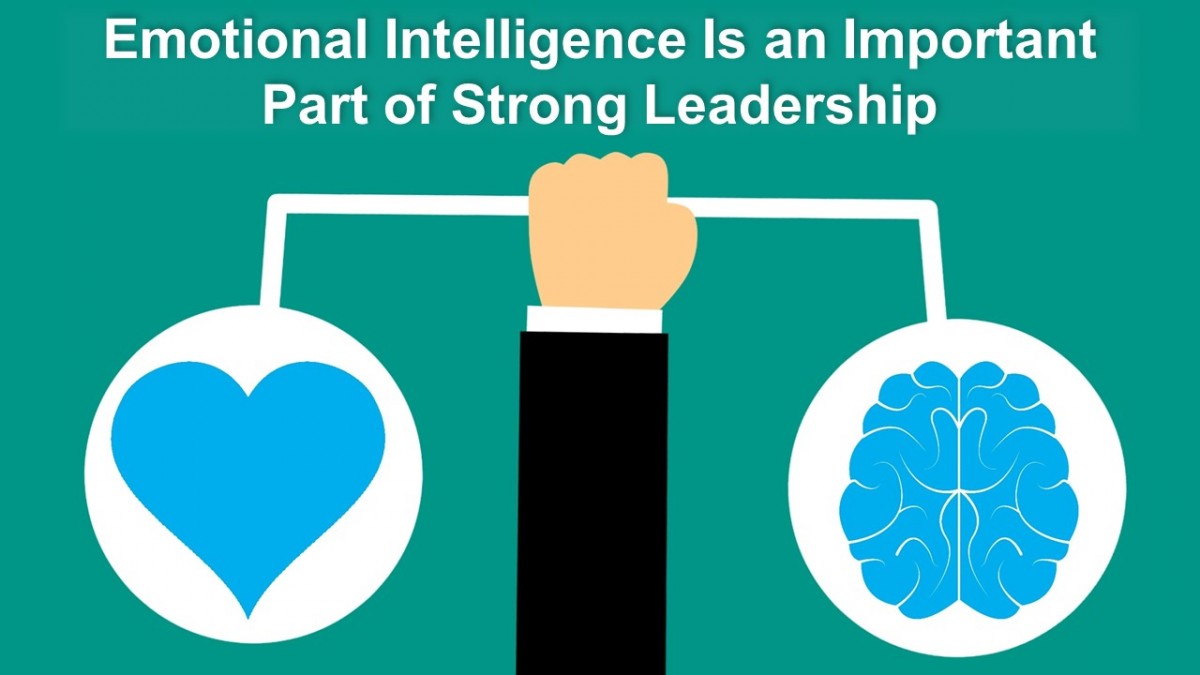
- Emotional intelligence
- Purpose-driven decision-making
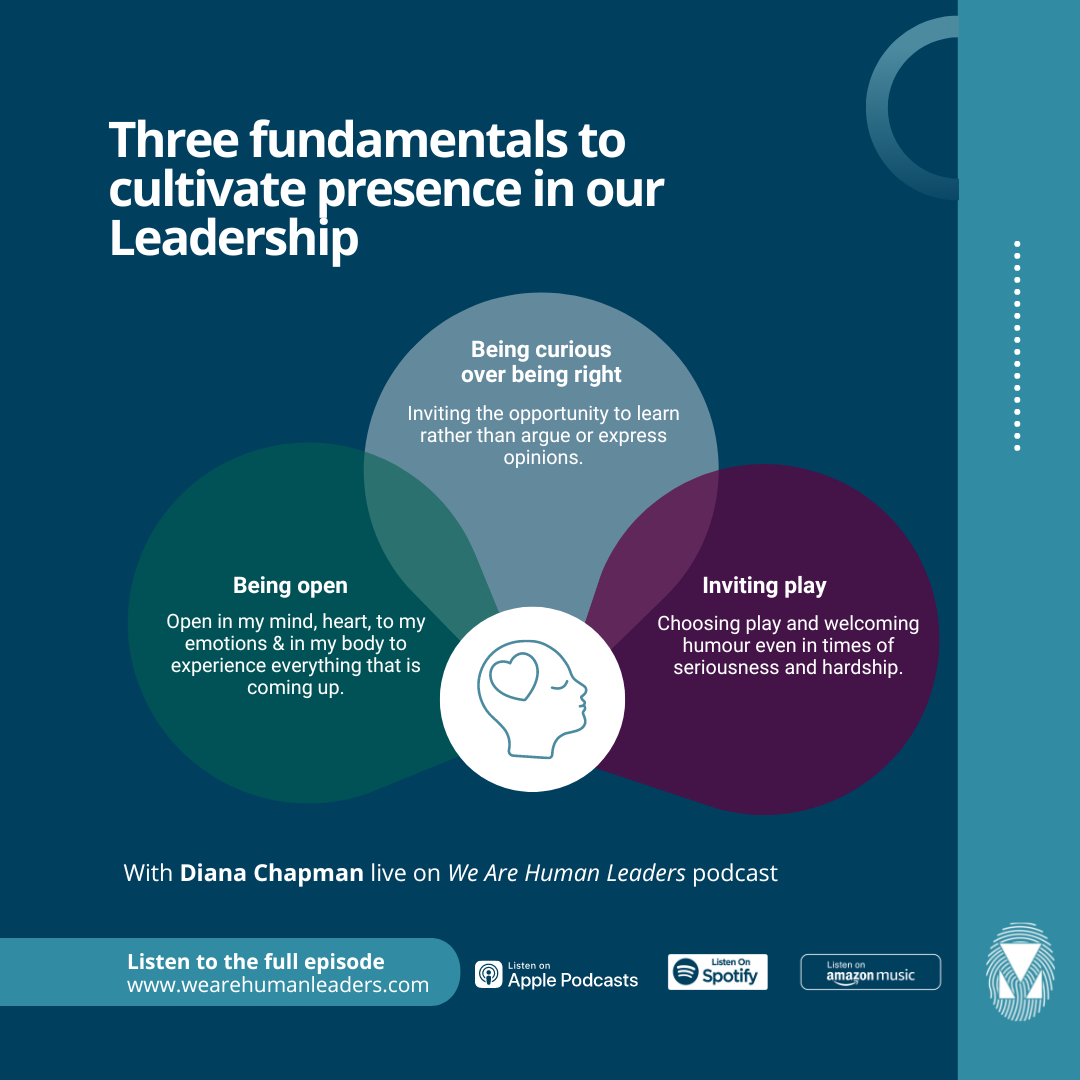
- Presence and authenticity
Rather than using power, hierarchy, or authority, conscious leaders lead through connection, awareness, and responsibility.
At its core, conscious leadership means:
- Leading with intention
- Choosing curiosity over ego
- Responding rather than reacting
- Taking radical responsibility
- Prioritizing wellbeing, not just performance
✨ Why Conscious Leadership Is Rising Now


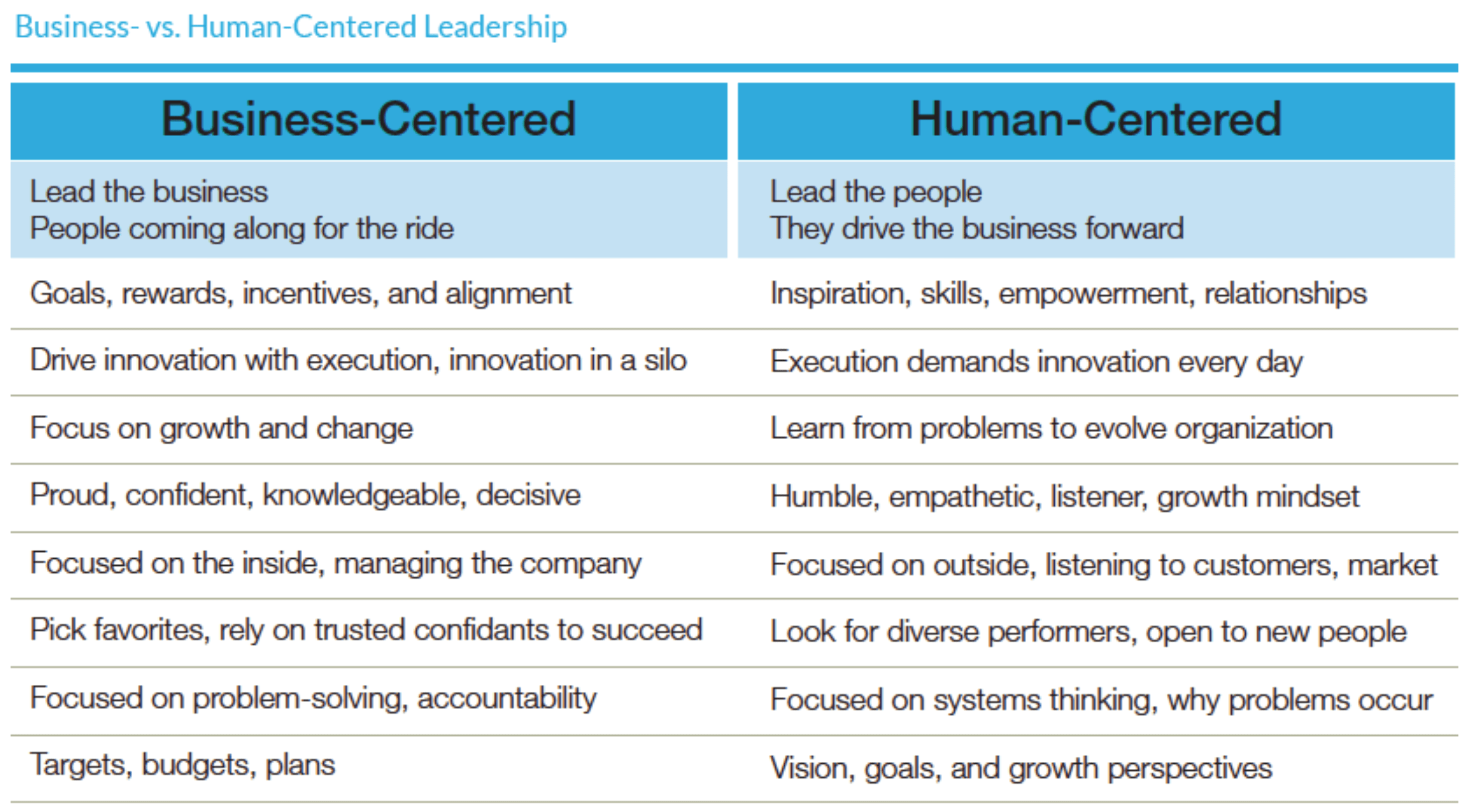
The workplace has changed forever. Factors driving the shift include:
1. Burnout and mental health challenges
Employees expect leaders who understand emotional wellbeing.
2. Greater demand for transparency and empathy
Teams want leaders who listen, care, and communicate openly.
3. Hybrid and remote work
Requires trust, emotional connection, and clarity—not micromanagement.
4. Multigenerational workforce
Younger generations value purpose, authenticity, and inclusivity.
5. Global uncertainty
Modern leaders must guide teams through complexity, not command them through it.
Conscious leadership meets these needs better than outdated command-and-control models.
🧠 The 5 Pillars of Conscious Leadership


Coaches must understand these core pillars to guide leaders effectively:
1. Self-Awareness
Leaders understand their thoughts, triggers, emotional patterns, and blind spots.
2. Emotional Intelligence
They regulate emotions, empathize, and build meaningful relationships.
3. Presence & Mindfulness
They stay grounded, calm, and focused—even during chaos.
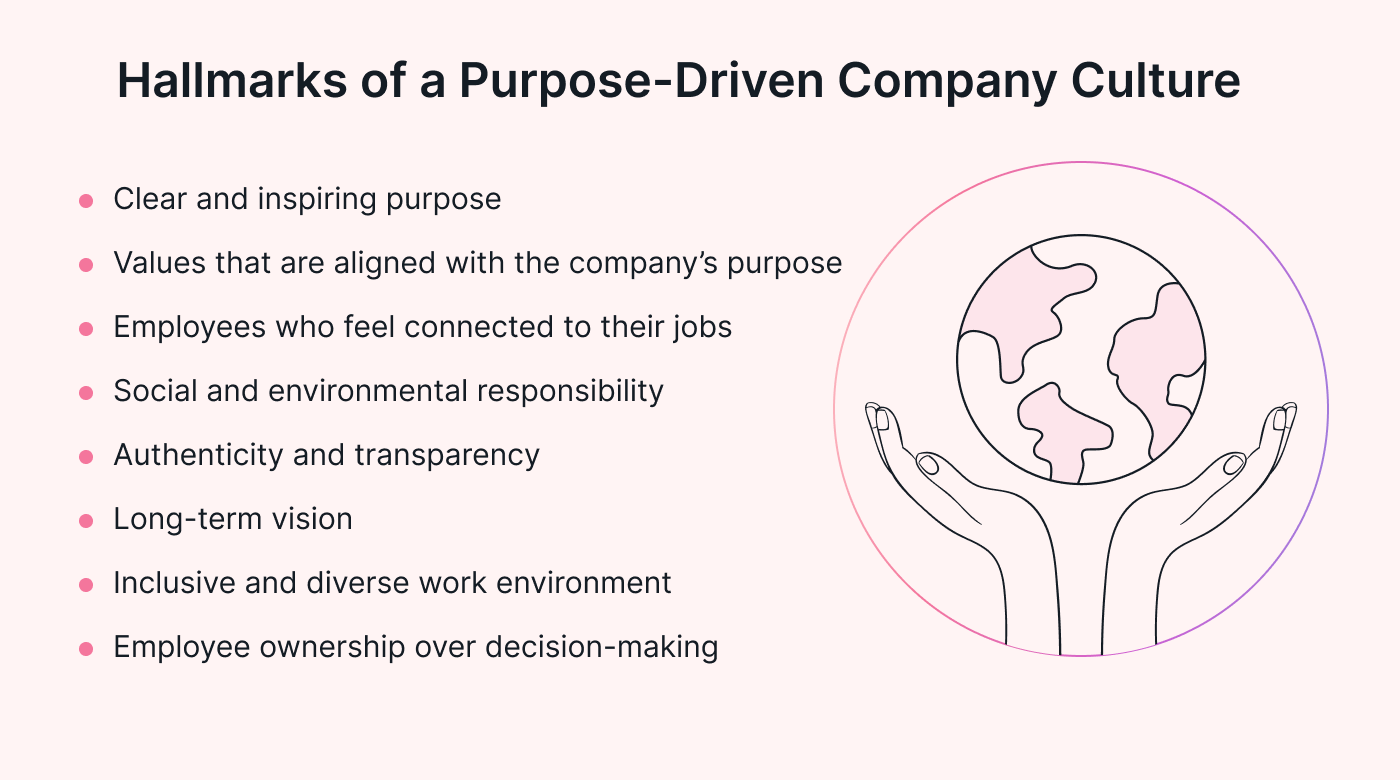
4. Purpose & Integrity
They align decisions with values, ethics, and long-term vision.
5. Responsibility & Ownership
They take full responsibility for their actions, energy, and impact.
These pillars form the internal foundation that shapes how leaders behave externally.
📘 How Conscious Leaders Think & Behave Differently

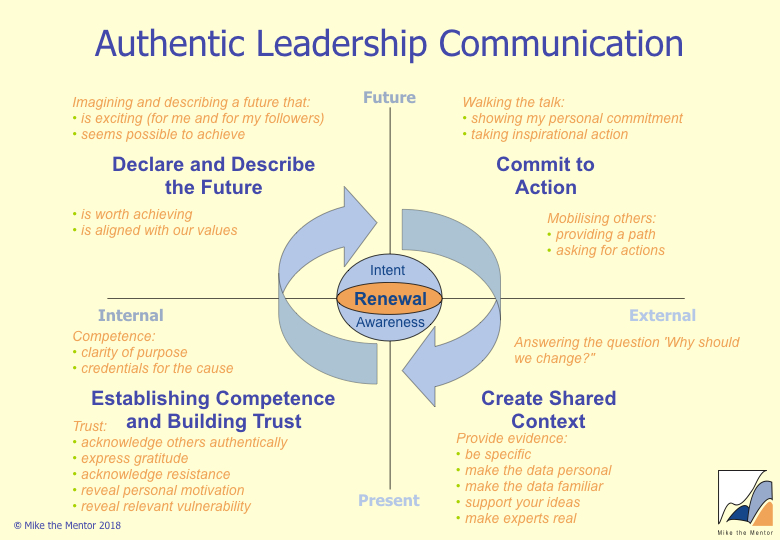
Conscious leaders:
✔ Respond instead of react
✔ Listen before speaking
✔ Empower instead of controlling
✔ Build trust rather than fear
✔ Focus on collective success
✔ Address issues directly with compassion
✔ Encourage open dialogue
✔ Operate from curiosity, not ego
These qualities make them more effective in coaching, conflict resolution, and long-term team development.
🧘♂️ The Shift From Ego Leadership to Conscious Leadership
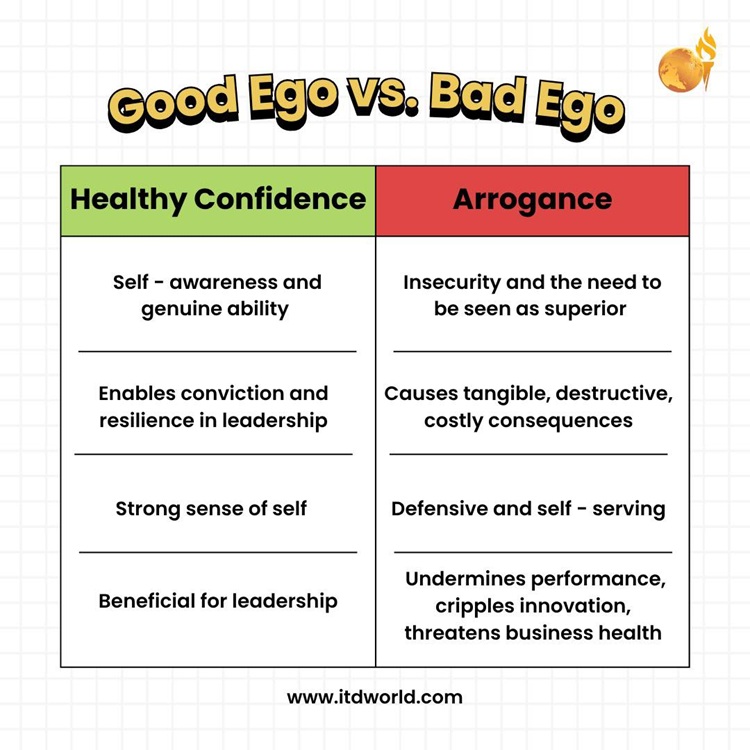

Ego Leadership
❌ Blame
❌ Defensiveness
❌ Control
❌ Competition
❌ Fear-based decisions
Conscious Leadership
✔ Ownership
✔ Openness
✔ Collaboration
✔ Shared success
✔ Intention-driven decisions
The shift is not just behavioral—it’s an internal transformation that leadership coaches are uniquely positioned to facilitate.
🎯 What Leadership Coaches Must Know (and Teach)


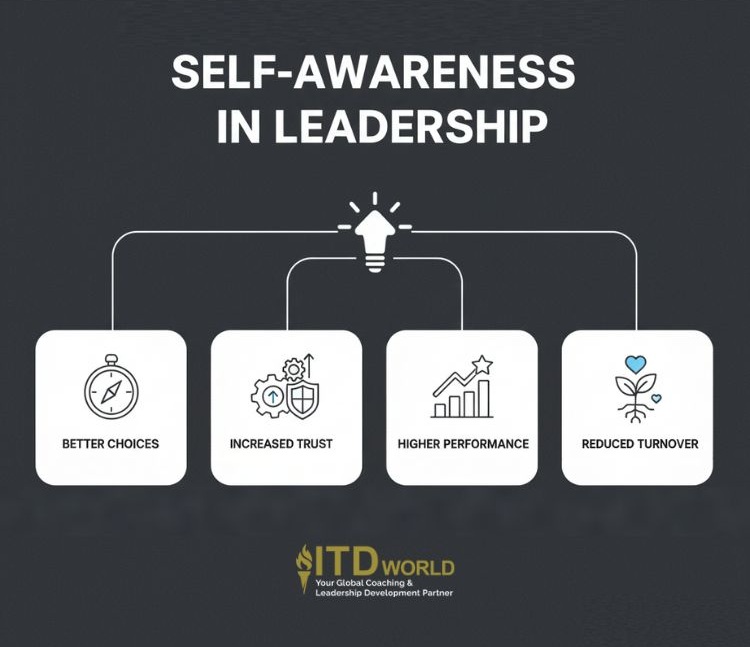
1. Coaching Must Start With Inner Work
Techniques like reflection, journaling, and emotional mapping help leaders understand themselves deeply.
2. Conscious Leadership Requires Nervous System Awareness
Modern leaders must manage stress, presence, and emotional regulation.
3. Coaching Should Shift Leaders Into Curiosity
Replacing judgment with questions unlocks better decision-making.
4. Language Matters
Words shape culture—leaders must communicate intentionally and consciously.
5. Coaches Must Teach Energy & Impact
Leaders must understand how their mood, tone, and presence affect the entire organization.
🧭 Tools & Practices for Coaching Conscious Leaders


Recommended tools for coaches:
- Mindfulness practices
- Emotional intelligence assessments
- Trigger awareness mapping
- Values and purpose clarity workshops
- Breathwork or grounding techniques
- Radical responsibility frameworks
- Conscious communication training
These tools help leaders build inner resilience, not just outer skill.
🌍 How Conscious Leadership Impacts Organizations


Companies with conscious leaders experience:
- Higher employee engagement
- Lower turnover
- More collaboration
- Healthier cultures
- Better innovation
- Faster conflict resolution
- Increased trust and transparency
- Stronger mission alignment
Conscious leadership isn’t just good for people—it’s good for business.
🔮 The Future of Leadership Coaching


Leadership coaching is evolving rapidly. Coaches must learn how to support leaders through:
- Emotional mastery
- Burnout prevention
- Cultural transformation
- Inner growth
- Conscious communication
- Purpose-driven leadership models
The future belongs to leaders who are:
- Aware
- Humble
- Present
- Authentic
- Visionary
And coaches who can guide this transformation will be the most in-demand in the coming decade.
✨ Final Thoughts: Conscious Leadership Is No Longer a Trend — It’s a Requirement


Conscious leadership represents a shift from managing people to uplifting them, from authority to awareness, and from ego to purpose.
For leadership coaches, understanding this movement is essential. The organizations thriving today—and tomorrow—will be the ones led by individuals who:
- Are emotionally intelligent
- Lead with integrity
- Create psychological safety
- Empower teams
- Inspire through presence and purpose
Conscious leadership isn’t just better leadership.
It’s the future of leadership.