



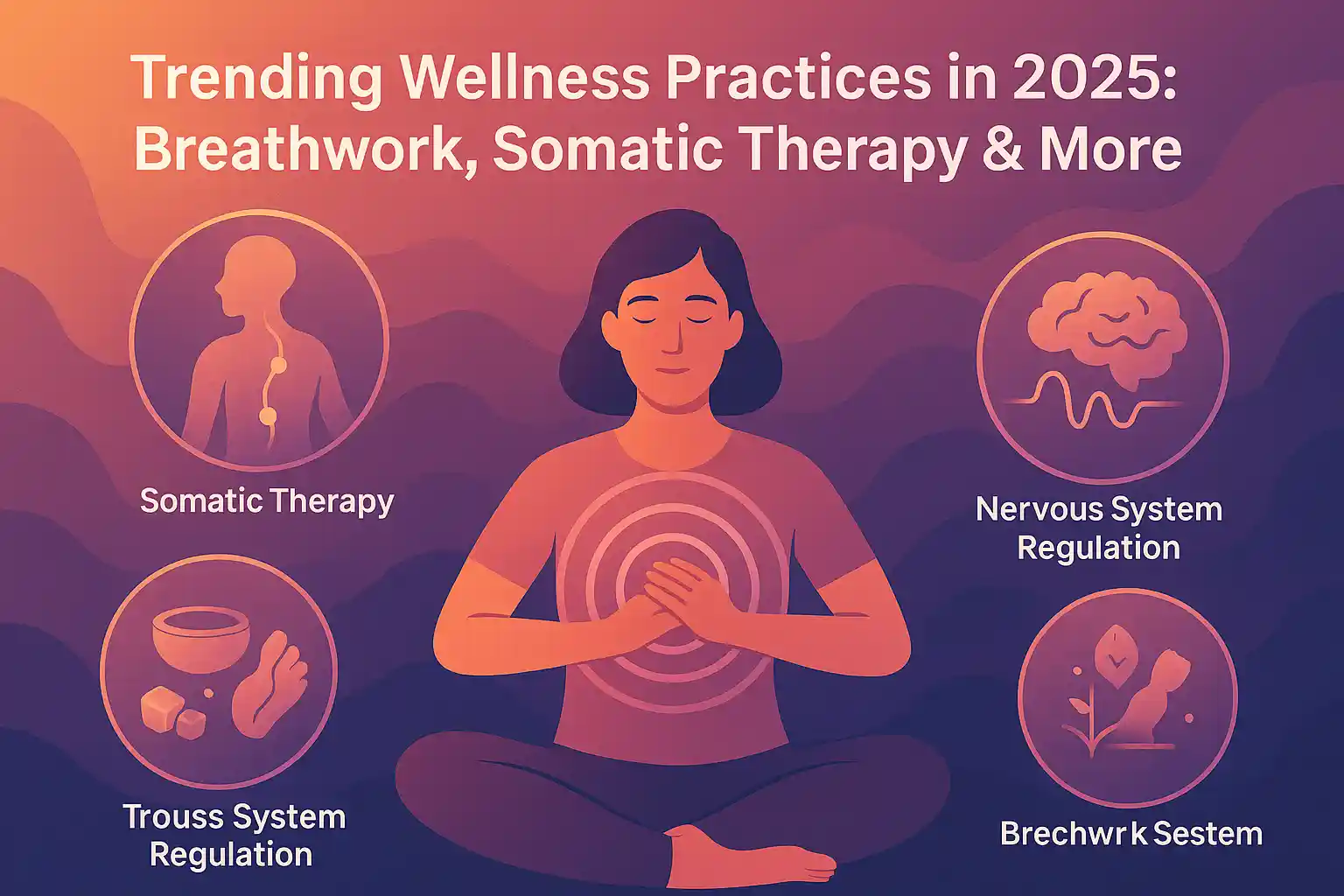

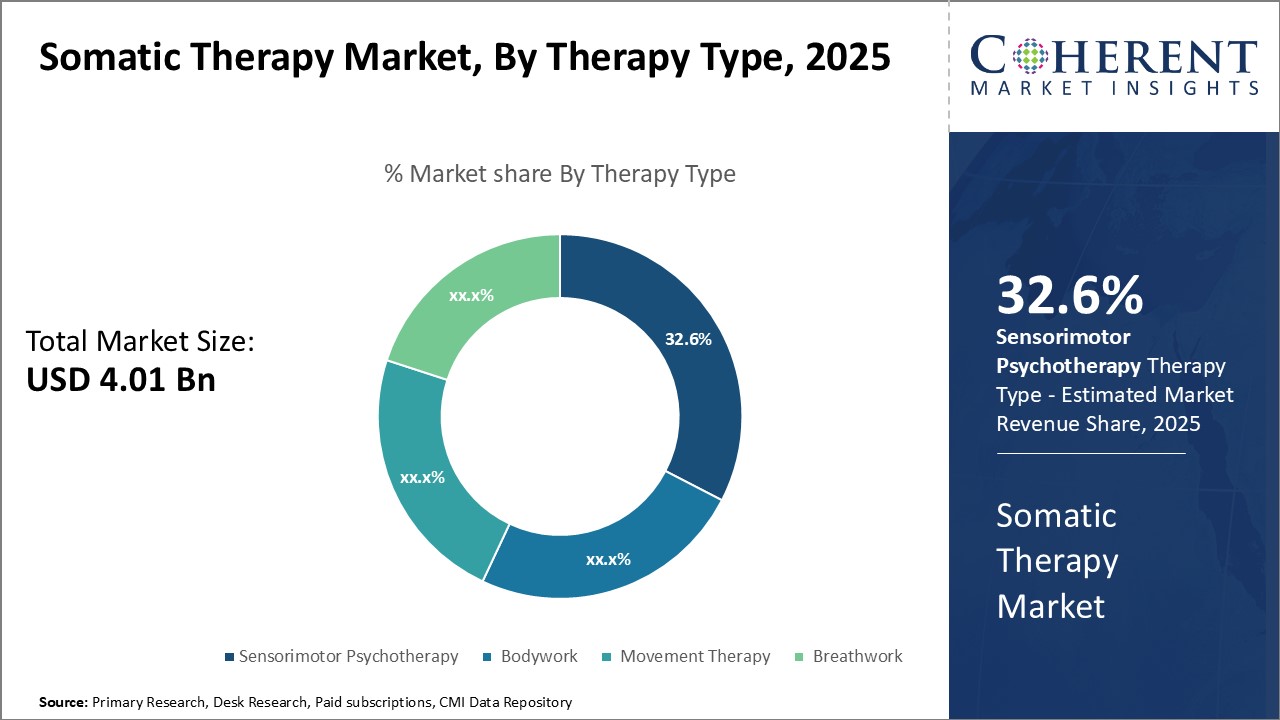
Wellness in 2025 is evolving rapidly, with practices shifting from surface-level self-care to deeper, nervous-system-based healing. Breathwork, somatic therapy, and trauma-informed practices are taking the spotlight as individuals seek more holistic and embodied ways to manage stress, heal patterns, and improve emotional resilience.
Why Wellness Practices Are Shifting in 2025

People are moving away from quick fixes and turning toward approaches that address the nervous system, stored trauma, emotional processing, and body-mind connection.
Key reasons for this shift:
- Rising burnout and chronic stress
- Increased interest in emotional regulation
- More awareness of trauma and somatic health
- Desire for practices that create real long-term transformation
1. Breathwork Becomes a Mainstream Healing Tool
Breathwork is exploding in popularity as research continues to highlight its effects on the nervous system, stress, anxiety, and emotional release.
Why breathwork is trending:
- Quickly calms the body
- Clears emotional tension
- Improves focus and presence
- Supports trauma release in a gentle way
- Helps regulate the autonomic nervous system
Coaches and wellness practitioners are integrating breathwork techniques into sessions as a core regulation tool.
2. Somatic Therapy Moves Into the Mainstream

Somatic therapy focuses on how emotions and trauma are stored in the body—not just the mind. In 2025, it has become one of the fastest-growing wellness practices.
Clients now seek somatic practices for:
- Regulating the nervous system
- Releasing stored tension
- Overcoming trauma responses
- Improving body awareness
- Feeling safer and more grounded
Somatic tools help clients create transformation from the inside out.
3. Nervous System Regulation Becomes the Center of Wellness
Wellness trends now revolve around creating a regulated, balanced nervous system—not just achieving goals or boosting productivity.
Key practices include:
- Vagus nerve activation
- Polyvagal-informed coaching
- Slow movement practices
- Mindful breathing and grounding techniques
Regulation is now the foundation for all mental, emotional, and physical well-being.
4. Trauma-Informed Wellness Expands
More coaches and practitioners are getting trained in trauma-informed approaches to ensure emotional safety and prevent reactivation during coaching or wellness sessions.
Core principles:
- Safety first
- Consent and empowerment
- Emotional pacing
- Avoiding triggering or pushing
- Supporting clients gently through patterns
This approach is becoming a non-negotiable in the modern wellness industry.
5. Mindfulness Evolves Into Embodied Awareness

Mindfulness is shifting from mental observation to embodied awareness, where clients learn to feel sensations, emotions, and intuition within the body.
Benefits include:
- Improved emotional clarity
- Reduced anxiety
- Better self-trust
- More intuitive decision-making
This trend blends breathwork, somatic awareness, and presence practices.
6. Slow Living & Nervous System-Friendly Lifestyles Rise
People are rejecting hustle culture and embracing slower, more intentional routines.
Elements of slow wellness:
- Reducing overstimulation
- Prioritizing rest and recovery
- Simplifying routines and commitments
- Creating tech-free spaces
This trend ties directly into nervous system healing and burnout prevention.
7. Energy Healing & Biofield Practices Gain Popularity
Energy work—like Reiki, sound healing, and biofield therapies—is growing as people seek practices that integrate emotional, energetic, and spiritual well-being.
These practices help clients:
- Release emotional blocks
- Feel calmer and balanced
- Support sleep and relaxation
- Connect with deeper intuition
This trend complements somatic and breathwork practices.
What This Means for Coaches & Wellness Practitioners
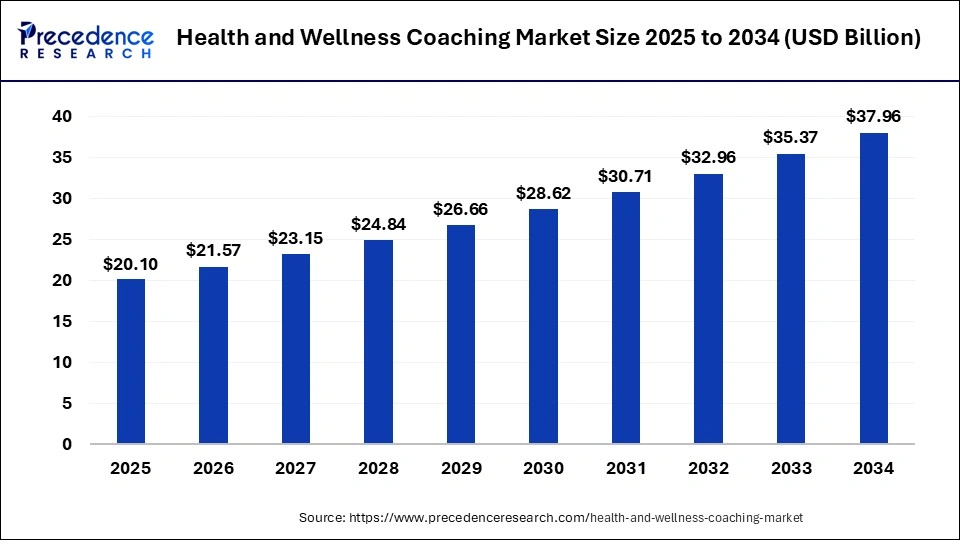
To stay relevant in 2025, coaches should expand beyond cognitive-only approaches and integrate more body-based, nervous-system-informed methods.
Coaches should focus on:
- Trauma-informed frameworks
- Somatic tools
- Breathwork techniques
- Regulation-based coaching
- Embodied awareness practices
Clients want deeper transformation—not surface-level conversation.
What Clients Want in 2025 Wellness Programs

Modern clients now expect:
- Emotional safety
- Nervous system tools
- Mind-body connection
- Clear, science-backed practices
- Personalized wellness routines
Programs that integrate these elements are in high demand.
Conclusion
The wellness industry in 2025 is shifting toward deeper healing, emotional regulation, and embodied transformation. Breathwork, somatic therapy, trauma-informed practices, and nervous system regulation are quickly becoming essential tools for coaches and practitioners.
The trend is clear:
Wellness is becoming more holistic, more scientific, and more human than ever before.