

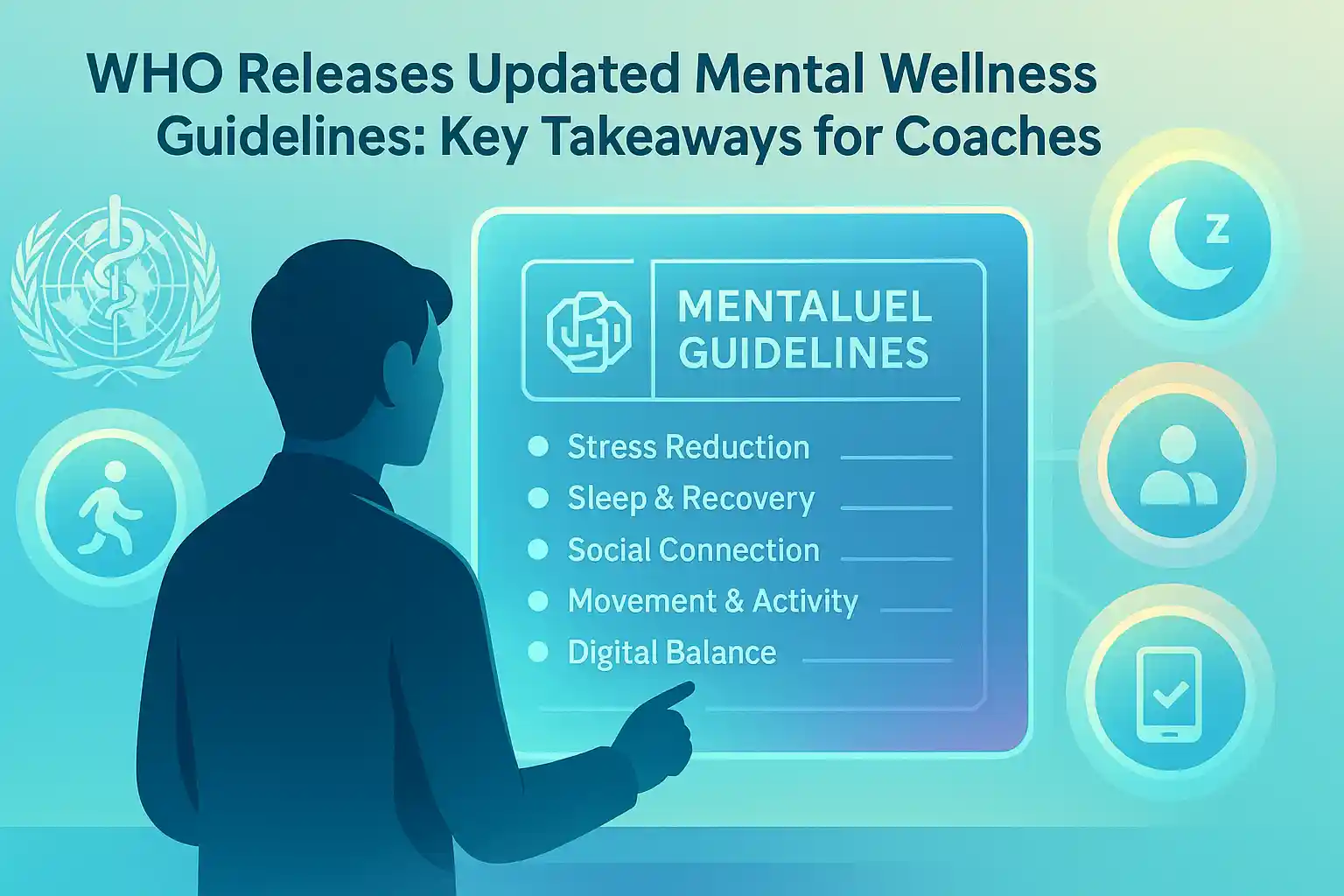


The World Health Organization has released updated mental wellness guidelines for 2025, with a strong focus on prevention, resilience-building, and accessible support. These updates are especially relevant for coaches—whether in leadership, wellness, life, or performance coaching—because they reshape how mental well-being should be supported in non-clinical settings.
Why These New Guidelines Matter for Coaches

Coaching is now deeply connected to emotional well-being, stress management, and resilience—even outside clinical contexts. WHO’s updated guidelines highlight the growing global mental health burden and emphasize early, community-based support systems.
These updates matter because they:
- Encourage non-medical professionals to support mental well-being safely
- Provide clear boundaries for coaches
- Emphasize prevention rather than crisis response
- Align coaching practices with global wellness standards
1. Greater Focus on Preventive Mental Wellness
The guidelines emphasize the importance of preventing mental health decline before it turns into burnout, anxiety, or chronic stress.
What coaches should prioritize:
- Building emotional resilience
- Helping clients identify early warning signs
- Creating routines that support mental stability
- Encouraging healthy lifestyle habits
Coaching becomes a proactive tool rather than a reactive solution.
2. Stronger Boundaries Between Coaching and Clinical Treatment

WHO highlights the importance of non-clinical practitioners knowing their limits.
Key guidance for coaches:
- Avoid diagnosing mental health conditions
- Recognize red flags that require referral
- Maintain clear scope-of-practice boundaries
- Collaborate with mental health professionals when appropriate
This protects both clients and coaches.
3. Emotional Regulation Skills Now Considered Essential

WHO emphasizes emotional regulation as a core component of mental wellness — and coaches are in a strong position to help clients strengthen it.
Coaches can support clients with:
- Stress-reduction techniques
- Cognitive reframing
- Mindfulness practices
- Healthy coping patterns
These tools equip clients to navigate daily pressures more effectively.
4. Social Connection & Community Support Are Now Top Wellness Indicators

Loneliness and isolation are major risk factors for mental health decline in 2025. WHO stresses the importance of strong social bonds.
What coaches should help clients build:
- Supportive relationships
- Community engagement
- Healthy communication skills
- Accountability partnerships
Strong social ties significantly boost resilience and overall well-being.
5. Digital Wellness Becomes a Major Priority
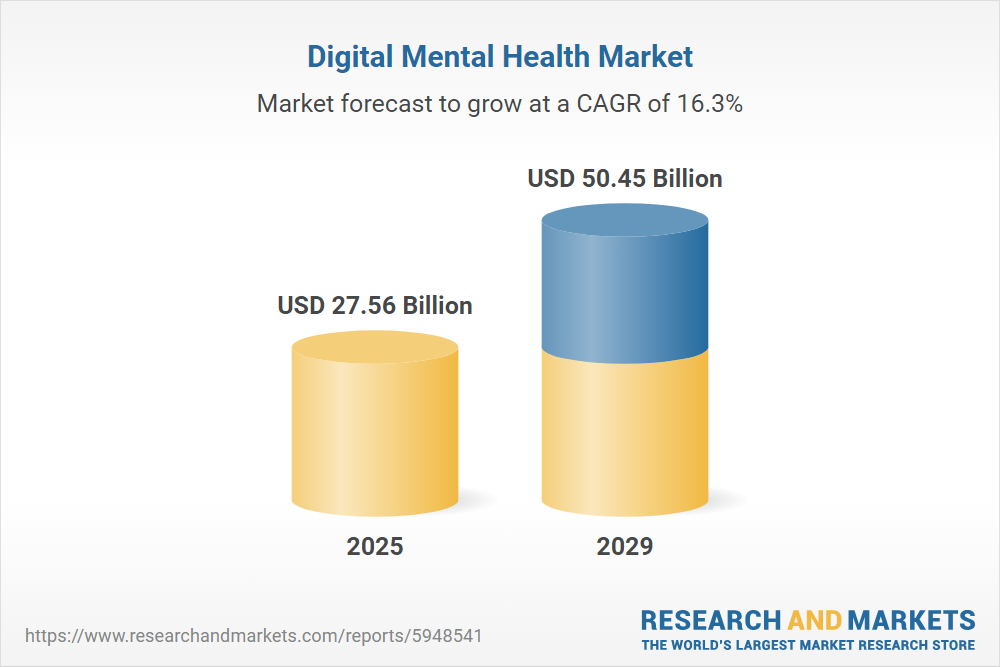
With AI tools, remote work, and screen-heavy lifestyles, digital overload is one of the biggest contributors to mental fatigue.
WHO now encourages:
- Reducing screen time
- Setting digital boundaries
- Practicing mindful technology use
- Creating tech-free zones
Coaches can integrate these practices into sessions and homework.
6. Holistic Wellness Takes Center Stage
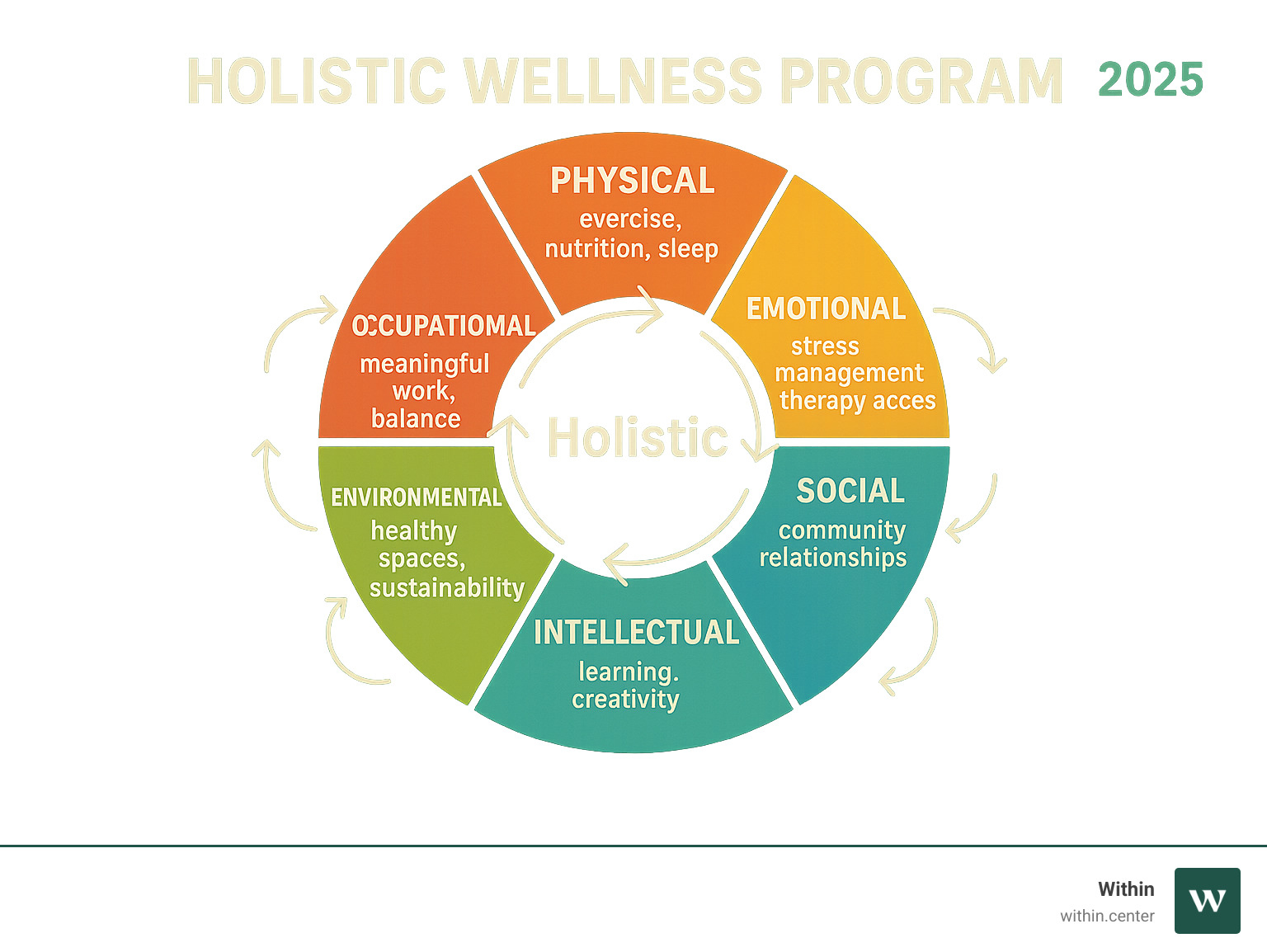
Mental health is no longer viewed separately from physical, social, and lifestyle factors. WHO’s updated model encourages full-spectrum wellness.
Coaches should consider:
- Sleep
- Nutrition
- Movement
- Emotional health
- Environment
- Daily habits
This aligns perfectly with modern coaching frameworks.
7. Greater Emphasis on Self-Compassion Practices

WHO highlights self-compassion as one of the most powerful mental wellness skills.
Coaches can help clients:
- Replace self-criticism with self-support
- Reduce perfectionism
- Build healthier inner dialogue
- Increase resilience during setbacks
Self-compassion is now recognized as a core protective factor against burnout.
What This Means for Coaches Across All Niches

Coaches are becoming essential partners in global mental wellness—not as clinicians, but as preventative well-being guides.
This shift means:
- Coaching models must integrate well-being concepts
- Clients expect mental wellness support across all niches
- Coaches must operate ethically within a defined scope
- Wellness-informed coaching becomes a competitive advantage
What Coaches Should Do Next

To stay aligned with WHO’s 2025 guidelines, coaches should:
- Update coaching frameworks with wellness principles
- Strengthen understanding of emotional regulation tools
- Build referral networks with mental health professionals
- Add digital wellness and boundary-setting to programs
- Review and refine their scope-of-practice language
This ensures ethical, effective, and modern coaching support.
Conclusion
WHO’s updated mental wellness guidelines signal a major shift in how global well-being is understood and supported. For coaches, this is a powerful opportunity to elevate their impact—by promoting preventive wellness, emotional resilience, healthy lifestyle habits, and human connection.
Coaches who align with these insights will deliver deeper transformation, safer support, and more sustainable results for their clients.